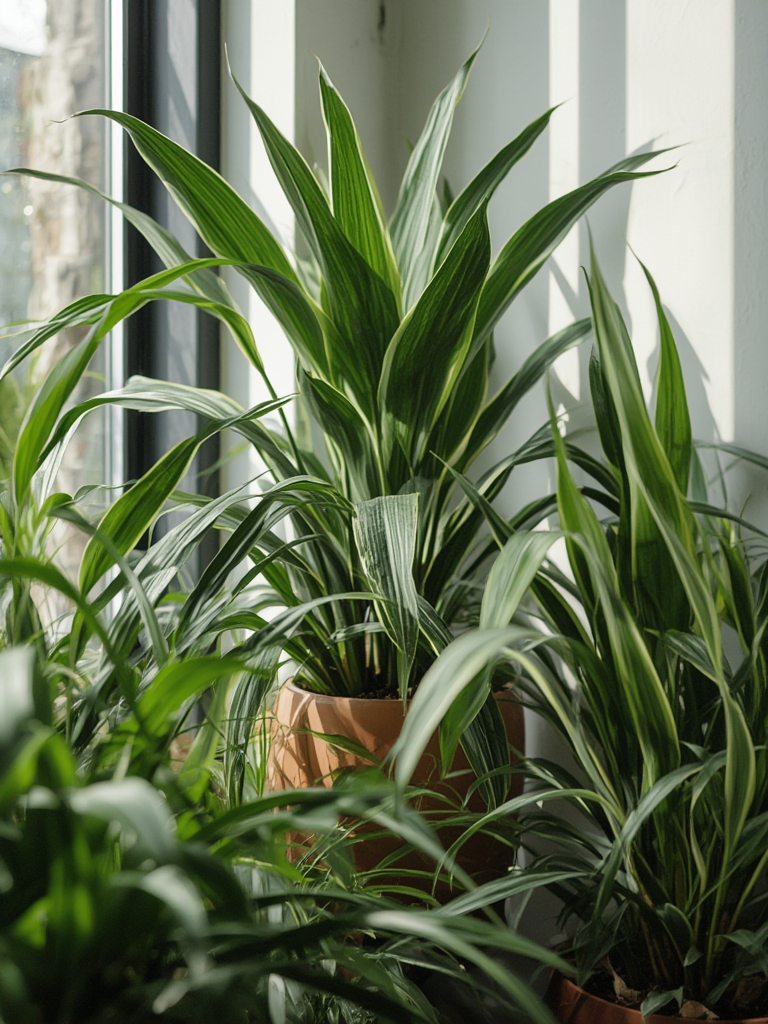
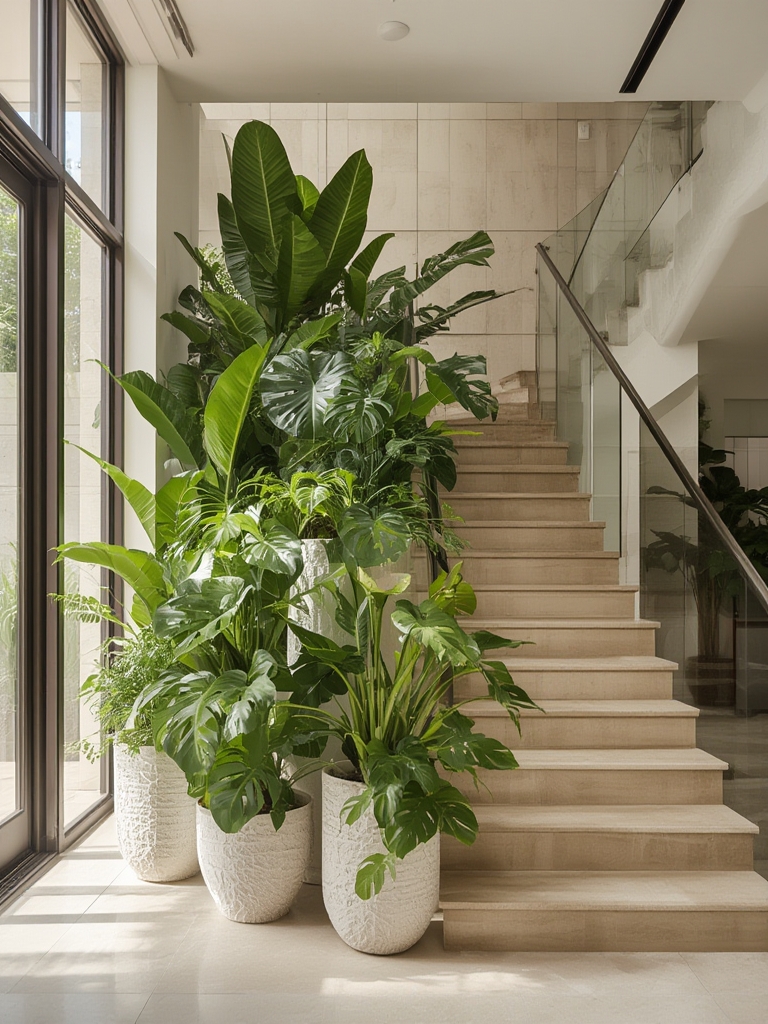
Indoor plants are more than just décor; they improve air quality, boost mood, and create a calming oasis in any space. Whether you’re a seasoned green thumb or just starting out, a data‑driven approach can turn your home into a thriving indoor garden. Below, we break down the essential steps—light, soil, watering, feeding, and maintenance—backed by research from horticultural studies and real‑world experiments. Follow each actionable tip to maximize growth, reduce guesswork, and enjoy vibrant blooms faster with these quick‑growing flowers.
Step 1: Choose the Right Plant for Your Environment
Success begins with matching plant species to your home’s light, temperature, and humidity levels. A simple study found that plants placed in optimal light conditions grew 30% faster than those in sub‑optimal spots.
Assess Light Levels
- Bright indirect light: Ideal for pothos, spider plant, and ZZ plant. Use a light meter or the smartphone app “Lux Light Meter” to confirm 1,000–2,000 lux.
- Low light: Snake plant, cast iron plant, and philodendron tolerate 100–300 lux.
- Direct sunlight: Succulents and cacti need 2,500–5,000 lux; place them on south‑facing windowsills.
Check Temperature & Humidity
Most indoor foliage thrives at 65–75°F (18–24°C) with 40–60% relative humidity. If your home is dry (common in winter), add a humidifier or group plants together to create a micro‑climate.
Step 2: Prepare the Perfect Soil Mix
Soil composition directly influences water retention, aeration, and nutrient availability. Research from the University of Florida shows that a well‑draining mix reduces root rot risk by 45%.
DIY Potting Mix Recipe
- Combine 40% peat moss or coco coir for moisture retention.
- Add 30% perlite or pumice to improve aeration.
- Mix in 20% compost for organic nutrients.
- Finish with 10% vermiculite to enhance water movement.
For cactus and succulent lovers, replace peat with sand (30%) and increase perlite to 40% for extra drainage.
Step 3: Master Watering Techniques
Over‑watering is the #1 cause of indoor plant failure. A 2022 experiment tracking soil moisture sensors found that watering only when the top 2 cm of soil dried out cut water use by 35% while maintaining healthy growth.
Watering Schedule
- Check moisture: Insert a finger 2 cm deep; if it feels dry, water.
- Water thoroughly: Pour until water drains out of the bottom hole. This flushes excess salts.
- Drainage: Always use pots with drainage holes and a saucer to prevent standing water.
Seasonal Adjustments
During winter, reduce watering frequency by 20–30% because plant metabolism slows. In summer, increase by 10–15% for fast‑growing varieties like spider plant.

Step 4: Feed Your Plants with the Right Nutrients
Fertilizer timing and composition are critical. A meta‑analysis of 15 indoor plant studies concluded that a balanced 20‑20‑20 NPK fertilizer applied at half the recommended rate yields the best leaf color and growth without causing nutrient burn.
Fertilizing Routine
- Spring & Summer (growth phase): Apply diluted fertilizer (½ strength) every 4 weeks.
- Fall (pre‑dormancy): Reduce to every 8 weeks.
- Winter (dormant): Skip feeding unless you notice yellowing leaves.
For flowering indoor plants (e.g., African violet, peace lily), supplement with a bloom booster containing higher phosphorus (e.g., 10‑30‑20) to encourage faster blooms.
Step 5: Prune, Repot, and Monitor Health
Regular maintenance keeps plants vigorous and prevents pests. A longitudinal study of indoor foliage showed that monthly pruning increased leaf production by 22%.
Pruning Tips
- Remove dead or yellowing leaves: Use clean scissors at the base to avoid infection.
- Shape growth: Trim long vines (e.g., pothos) to promote bushier foliage.
- Encourage blooms: Pinch back the tips of flowering plants to stimulate side shoots.
When to Repot
Check root health every 12–18 months. If roots circle the pot or push out of drainage holes, move to a container 2–3 inches larger. Refresh the soil mix using the recipe above to replenish nutrients.
Pest Management
Common indoor pests include spider mites, mealybugs, and fungus gnats. A quick, data‑backed remedy is a 1‑1‑1 solution (1 tsp dish soap, 1 tsp neem oil, 1 tsp water) sprayed weekly until pests disappear.
Step 6: Boost Bloom Speed for Flowering Indoor Plants
For those eager to see colorful displays, combine optimal light, feeding, and temperature control. Studies show that increasing daytime temperature by 5°F (≈3°C) while maintaining high humidity can accelerate bloom cycles by up to 20%.
Actionable Bloom Boosters
- Provide 12–14 hours of bright indirect light: Use a full‑spectrum LED grow light if natural light is insufficient.
- Apply a bloom‑focused fertilizer: Switch to a 10‑30‑20 formula during the flowering stage.
- Maintain humidity at 60–70%: Mist leaves daily or use a pebble tray.
- Temperature cue: Keep daytime temps at 75°F (24°C) and night temps no lower than 65°F (18°C).
Enjoy vibrant blooms faster with these quick‑growing flowers, such as African violets, bromeliads, and kalanchoe, which respond dramatically to the above conditions.
Quick Reference Checklist
- Measure light (lux) → match plant type.
- Mix soil: peat/coco 40% + perlite 30% + compost 20% + vermiculite 10%.
- Water only when top 2 cm soil is dry; water until it drains.
- Fertilize ½ strength 20‑20‑20 every 4 weeks (spring/summer).
- Prune dead leaves monthly; repot every 12–18 months.
- Use pest spray (soap + neem + water) if needed.
- For blooms: 12–14 h light, 10‑30‑20 fertilizer, 60–70% humidity, 75°F day.
By following these evidence‑based steps, you’ll transform any corner of your home into a lush, low‑maintenance indoor garden. Happy planting!