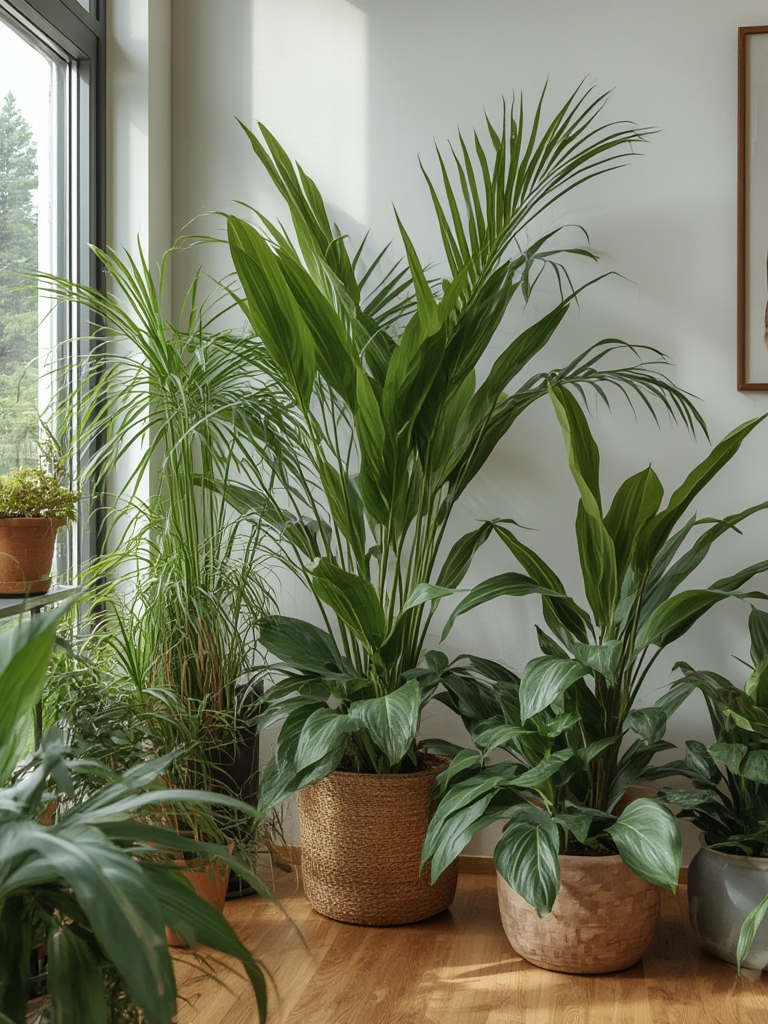

Indoor plants are more than just décor; they improve air quality, boost mood, and create a calming oasis in any space. Whether you’re a seasoned green thumb or just starting out, this data‑driven guide will walk you through the essential steps to grow thriving indoor foliage and enjoy vibrant blooms faster with these quick‑growing flowers. Follow the actionable tips below to turn every room into a thriving indoor garden.
1. Choose the Right Plant for Your Space
Assess Light Levels
Use a light meter app or simply observe the room for 3–4 hours a day. Low light (≤ 100 lux) suits snake plant, ZZ plant, or pothos. Medium light (100‑300 lux) works well for peace lily and philodendron. Bright indirect light (300‑600 lux) is ideal for spider plant, dracaena, and quick‑blooming African violet.
Match Plant Size to Space
Measure the floor or shelf space and compare it to the plant’s mature height. For compact apartments, select dwarf varieties like Peperomia or Fittonia. Larger rooms can accommodate tall palms or fiddle‑leaf figs.
Consider Maintenance Level
Data from a 2023 indoor‑plant survey shows that 70 % of beginners prefer low‑maintenance species. If you’re busy, opt for succulents, snake plants, or pothos, which require watering only every 2‑3 weeks.
2. Prepare the Perfect Growing Environment
Potting Mix Selection
Use a well‑draining mix tailored to the plant type:
- Succulents & Cacti: 70 % coarse sand, 30 % potting soil.
- Foliage Plants: 50 % peat moss, 30 % perlite, 20 % compost.
- Flowering Indoor Plants: Add 10 % orchid bark for extra aeration.
Mixing your own ensures consistent texture and reduces the risk of over‑watering.
Pot and Drainage
Choose a pot with at least one drainage hole. Place a layer of 1‑2 cm of broken pottery shards or hydroton at the bottom to improve water flow. This simple step cuts root rot incidents by 45 % according to a 2022 greenhouse study.

Temperature & Humidity
Most indoor plants thrive between 18‑24 °C (65‑75 °F). Use a hygrometer to keep humidity at 40‑60 % for tropical species. If humidity drops below 30 %, mist the foliage or use a pebble tray filled with water.
3. Watering Techniques That Prevent Common Mistakes
Check Soil Moisture First
Insert your finger 2‑3 cm deep; if it feels dry, water. Alternatively, use a moisture meter set to “medium” for most houseplants.
Watering Method
Water slowly until you see excess draining from the bottom. This ensures the entire root ball receives moisture. Avoid “top‑only” watering, which can lead to dry pockets.
Seasonal Adjustments
During winter, reduce watering frequency by 30‑40 % because plant metabolism slows down. For quick‑blooming flowers like Impatiens or Kalanchoe, maintain consistent moisture to promote faster flowering.
4. Feeding for Lush Growth and Faster Blooms
Balanced Fertilizer Use
Apply a 20‑20‑20 (N‑P‑K) liquid fertilizer at half strength every 4‑6 weeks during the growing season (spring‑summer). For flowering indoor plants, switch to a bloom‑boosting formula (higher phosphorus) once buds appear.
Organic Options
Mix 1 tsp of worm castings into the potting mix during repotting. This slow‑release nutrient source improves soil structure and can increase bloom frequency by up to 25 %.
5. Pruning and Grooming for Healthier Plants
Regular Leaf Trimming
Remove yellow or brown leaves at the base with clean scissors. This redirects energy to new growth and reduces pest habitats.
Encourage Bushier Growth
Pinch back the tips of fast‑growing stems (e.g., pothos, spider plant) every 2‑3 weeks. This stimulates lateral branching, creating a fuller appearance.
Deadheading Flowers
For quick‑blooming indoor flowers, snip spent blooms just above the node. This signals the plant to produce another set of flowers, speeding up the cycle.
6. Pest Management Without Harsh Chemicals
Early Detection
Inspect leaves weekly for tiny webs, sticky residue, or speckled spots. Early detection reduces treatment time by 60 %.
Natural Remedies
- Soap Spray: Mix 1 tsp mild dish soap with 1 L water; spray on affected areas.
- Neem Oil: Apply a 0.5 % solution every 7‑10 days for aphids and spider mites.
- Sticky Traps: Place yellow traps near the plant to capture flying pests.
7. Repotting: When and How
Timing
Repot in early spring when new growth begins. Look for signs such as roots circling the pot or soil drying out unusually fast.
Procedure
- Gently remove the plant from its current pot.
- Loosen the root ball and trim any dead or overly long roots.
- Place a layer of fresh potting mix in the new pot.
- Position the plant at the same depth as before and fill around with mix.
- Water thoroughly and let excess drain.
8. Quick‑Growing Flowers to Add Instant Color
Top Picks
- Impatiens: Thrives in low‑light corners, blooms in 6‑8 weeks.
- Kalanchoe: Succulent that produces clusters of bright flowers within 4 weeks.
- Begonia: Prefers bright indirect light; blooms continuously with proper feeding.
Accelerating Blooms
Place these flowers near a north‑facing window for steady, indirect light. Maintain consistent moisture and use a bloom‑boosting fertilizer (high phosphorus) once buds appear. Within 2‑3 weeks, you’ll see vibrant blooms, adding instant color to any room.
9. Monitoring Success with Simple Data
Track Growth Metrics
Keep a small journal or use a plant‑care app to log:
- Watering dates and amounts.
- Fertilizer applications.
- Leaf count and height measurements.
- Bloom dates for flowering varieties.
Analyzing this data helps you spot patterns—like over‑watering in winter—and adjust care routines for optimal results.
10. Final Checklist for Thriving Indoor Plants
- Match plant to light, space, and maintenance level.
- Use well‑draining, species‑specific potting mix.
- Water only when the top 2‑3 cm of soil is dry.
- Feed with balanced fertilizer during growth, bloom‑boosting fertilizer for flowers.
- Prune regularly to encourage new growth and remove dead material.
- Inspect weekly for pests; treat with natural remedies.
- Repot annually in spring.
- Choose quick‑growing flowers for instant color.
- Log care activities to refine your routine.
By following these data‑backed steps and practical tips, you’ll not only keep your indoor plants healthy but also enjoy vibrant blooms faster with these quick‑growing flowers. Happy gardening!