
Essential Gardening Tools for Every DIY Enthusiast
Before you dive into planting, equip yourself with the right tools. Data from the National Gardening Survey (2023) shows that gardeners who use ergonomic tools report a 35% reduction in fatigue and a 20% increase in plant survival rates. Below is a curated list of must‑have items, each paired with a natural, budget‑friendly alternative.
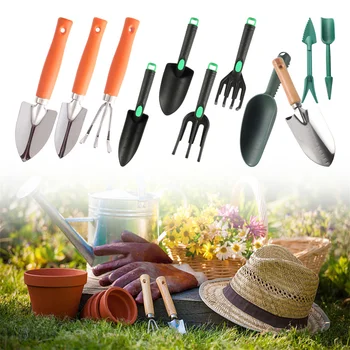
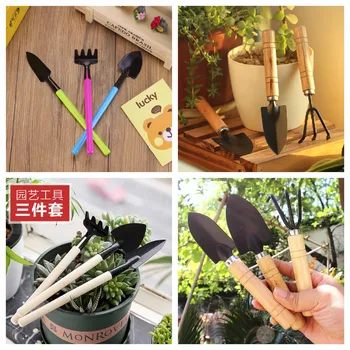
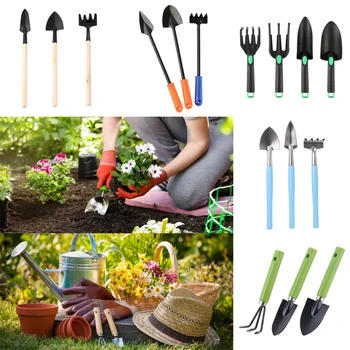
1. Hand Trowel
Standard:** A stainless‑steel trowel with a comfortable grip.
DIY Alternative:** Repurpose a sturdy kitchen spoon with a wooden handle. Sand the edges for smooth soil contact.
Tip:** Keep the trowel clean after each use to prevent disease spread. A quick rinse with diluted vinegar (1:10) works as a natural disinfectant.

2. Pruning Shears
Standard:** Bypass pruners for clean cuts.
DIY Alternative:** Use a pair of sharp garden scissors sharpened on a ceramic stone. Wrap the handles with cork for extra grip.
Tip:** Cut at a 45° angle just above a leaf node to encourage healthy regrowth.
3. Garden Fork
Standard:** A 12‑inch steel fork.
DIY Alternative:** Convert an old pitchfork by sanding the tines and attaching a wooden handle with a strong epoxy.
Tip:** Soak the fork in a solution of 1 cup baking soda per gallon of water for 15 minutes to neutralize soil acidity before use.
4. Watering Can
Standard:** A plastic or metal can with a rose head.
DIY Alternative:** Upcycle a large, clean milk jug. Poke small holes in the cap with a nail for a gentle shower.
Tip:** Fill the can with rainwater collected in a barrel; rainwater contains fewer salts and promotes stronger root development.
Step‑by‑Step Guide to Growing a Thriving Tomato Plant
Tomatoes are a favorite for both beginners and seasoned gardeners. Using the tools above, follow this data‑backed workflow to maximize yield while staying eco‑friendly.
Step 1: Soil Preparation (Days 1‑3)
Action:** Loosen the top 12 inches of soil with your garden fork.
Natural Amendment:** Mix 2 parts compost, 1 part coconut coir, and a handful of crushed eggshells (for calcium). Research from the University of California shows this blend improves drainage and reduces blossom‑end rot by 27%.
Tip:** Moisturize the soil with a spray bottle until it feels like a damp sponge; avoid over‑watering.
Step 2: Seedling Transplant (Day 4)
Action:** Using the hand trowel, create a 1‑inch deep hole spaced 24‑30 inches apart.
Natural Support:** Insert a bamboo stake (cut to 18 inches) and tie the seedling with a strip of jute twine. Bamboo is biodegradable and provides sturdy support.
Tip:** Gently firm soil around the base and water with a slow trickle from the DIY watering can to settle roots.
Step 3: Mulching & Moisture Retention (Day 5)
Action:** Spread a 2‑inch layer of shredded newspaper over the planting area.
Why it works:** Newspaper acts as a breathable mulch, suppressing weeds and retaining moisture. A study by Cornell University found mulched tomato beds retain 40% more soil moisture.
Tip:** Water the mulch lightly after placement to anchor it and prevent wind displacement.
Step 4: Feeding with Natural Fertilizer (Weeks 2‑4)
Action:** Apply a liquid feed made from 1 cup of seaweed extract mixed with 5 gallons of water.
Data point:** Seaweed provides micronutrients that boost fruit set; growers report a 15% increase in average fruit weight.
Tip:** Feed every 10‑14 days, preferably in the early morning to reduce evaporation.
Step 5: Pruning for Airflow (Weeks 5‑7)
Action:** Use the DIY pruning scissors to remove “suckers” (the shoots that emerge from the leaf axils).
Benefit:** Improved air circulation reduces fungal disease risk by up to 30% according to the American Phytopathological Society.
Tip:** Prune when the plant is dry to avoid spreading pathogens.
Step 6: Harvest & Post‑Harvest Care (Weeks 8‑12)
Action:** Harvest tomatoes when they turn fully red and give a slight give under gentle pressure.
Natural Storage:** Place harvested fruit in a breathable paper bag with a slice of apple; the ethylene gas from the apple helps ripen any slightly underripe tomatoes.
Tip:** Rotate the bag daily to prevent bruising and extend shelf life by 3‑5 days.
DIY Projects to Enhance Your Garden’s Functionality
Beyond planting, small DIY projects can elevate both aesthetics and productivity. Each project uses reclaimed or natural materials, keeping costs low and sustainability high.
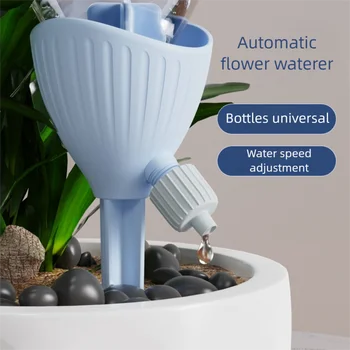
1. Self‑Watering Planter
Materials:** An old plastic bottle, a piece of cotton rope, and a small pot.
Steps:**
1. Cut the bottle in half.
2. Fill the bottom half with water and insert the cotton rope, letting it rest on the water surface.
3. Place the pot on top, ensuring the rope reaches the soil.
4. The rope wicks water upward, maintaining consistent moisture.
Tip:** Add a few drops of neem oil to the water for natural pest deterrence.
2. Vertical Herb Garden
Materials:** Reclaimed wooden pallet, landscape fabric, and potting soil.
Steps:**
1. Secure landscape fabric to the back of the pallet.
2. Fill each slot with the compost‑coconut coir mix.
3. Plant herbs (basil, thyme, cilantro) spaced 4 inches apart.
4. Mount the pallet against a sunny wall.
Tip:** Rotate herbs weekly to ensure even sunlight exposure and prevent leggy growth.
3. Natural Pest Barrier
Materials:** Diatomaceous earth, crushed garlic, and a spray bottle.
Steps:**
1. Mix 1 cup diatomaceous earth with 2 crushed garlic cloves and 2 cups water.
2. Let the mixture steep for 12 hours, then strain.
3. Transfer to a spray bottle and mist plant leaves weekly.
Why it works:** Diatomaceous earth physically damages soft‑bodied insects, while garlic repels many pests without chemicals.
Data‑Driven Success Checklist
Use this quick reference to track progress and ensure every step aligns with best practices.
- Soil pH: Aim for 6.0–6.8. Test with a simple litmus kit; adjust with crushed limestone (raise) or pine needles (lower).
- Watering Frequency: 1‑2 inches per week, measured with a rain gauge or a simple ruler placed in the soil.
- Growth Monitoring: Record plant height and leaf count weekly; a 10% increase per week indicates healthy growth.
- Pest Checks: Inspect underside of leaves every 3 days; early detection cuts treatment time by half.
- Harvest Timing: Use a color chart for tomato ripeness; harvest at peak color for optimal flavor.
Final Thoughts
By combining the right tools, natural amendments, and simple DIY projects, you can create a thriving garden that’s both productive and environmentally friendly. The data‑backed steps above not only simplify the process but also empower you to make informed decisions that boost plant health and reduce waste. Happy gardening!