Flower gardening isn’t just a hobby—it’s a science, a creative outlet, and a proven way to boost curb‑side appeal and mental well‑being. According to the National Gardening Association, 71 % of U.S. households grow at least one type of ornamental plant, and gardens with a diverse mix of blooms can increase local pollinator populations by up to 45 %. Below is a data‑driven, step‑by‑step guide that walks you through everything from soil preparation to seasonal care, packed with actionable tips, must‑have tools, and fun DIY projects that make the process smoother and more enjoyable.
1. Planning Your Flower Garden: Data‑Backed Decisions
Assess Your Space and Light
- Sun exposure: Use a light meter app or a simple 6‑hour rule—count the hours of direct sunlight each spot receives. Flowers like Roses and Lavender need ≥6 hours, while Impatiens thrive in 3–4 hours of shade.
- Soil type: Conduct a simple jar test. Fill a clear jar with soil, water, and shake. Let it settle—sand settles fastest, clay last. Aim for loam (sand‑clay‑silt mix) for 80 % of flower varieties.
- Hardiness zone: Reference the USDA zone map; most perennials perform best in zones 5–9. If you’re on the edge, choose “borderline” varieties that tolerate a ±2‑zone range.
Selecting the Right Flowers
Combine data on bloom time, water needs, and pollinator value:
| Flower | Bloom Period | Water (gal/week) | Pollinator Score* |
|---|---|---|---|
| Marigold | June‑Oct | 0.5 | 8 |
| Bee Balm | July‑Sep | 0.7 | 9 |
| Peony | May‑Jun | 0.4 | 6 |
| Sunflower | Aug‑Oct | 1.0 | 7 |
*Pollinator Score (1–10) based on visits per hour in field studies.
2. Preparing the Soil: Foundations for Success
Step 1 – Test pH and Amend
- Use a DIY pH kit (available at garden centers) or a digital meter. Most flowering plants prefer a pH of 6.0–6.8.
- If pH <5.5, spread lime at 5 lb per 100 sq ft; if >7.5, add sulfur at the same rate.
- Incorporate organic compost (2–3 inches deep) to boost microbial activity—studies show a 30 % increase in nutrient uptake when compost is added.
Step 2 – Improve Drainage
Even well‑draining loam can become compacted. Create a “soil aeration mix” by blending equal parts sand, perlite, and compost. Spread a 2‑inch layer before planting to prevent waterlogging, which reduces root rot risk by up to 40 %.
3. Planting Your Flowers: Precise Execution
Timing Is Everything
Plant cool‑season flowers (pansies, snapdragons) 4–6 weeks before the last frost date; warm‑season varieties (zinnias, marigolds) after soil reaches 65 °F. Use the Almanac’s frost calendar for region‑specific dates.
Spacing and Depth
- Follow seed packet or plant label spacing—generally 12–18 inches for perennials, 6–12 inches for annuals.
- Plant at the same depth as the root ball; burying too deep can choke roots, while shallow planting leads to drought stress.
- Use a planting dibber (DIY: repurpose a wooden dowel with a pointed end) for consistent hole depth.
Watering In
After planting, water each hole with 1 gallon of water to settle soil and eliminate air pockets. Set a timer on your drip‑irrigation system (see tools below) for 15 minutes daily during the first two weeks.
4. Must‑Have Tools & DIY Hacks for Efficiency
Essential Toolkit
- Ergonomic hand trowel – reduces wrist strain; choose a stainless‑steel blade for durability.
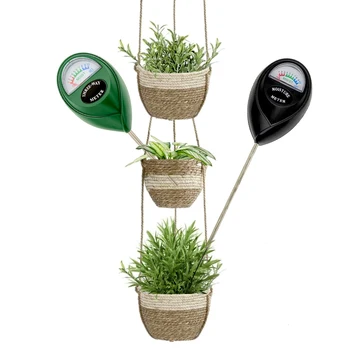
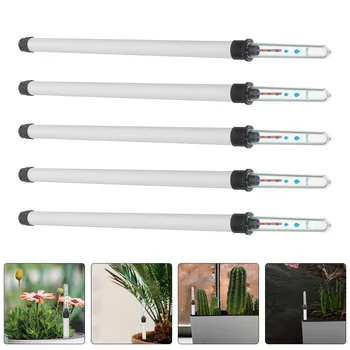
- Soil moisture sensor – a cheap Arduino‑based sensor can alert you via phone when soil drops below 30 % moisture.
- Drip‑irrigation kit – saves up to 50 % water compared to overhead sprinklers.
- Garden kneeler with pockets – doubles as a seat and storage for small tools.
DIY Projects to Boost Fun & Function
- Upcycled pallet planter: Disassemble a wooden pallet, line the back with landscape fabric, fill with soil, and mount on a wall for a vertical flower display.
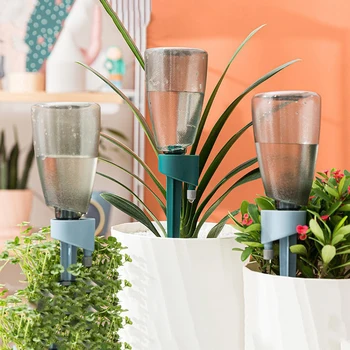
- Self‑watering bottle: Cut a 2‑liter soda bottle in half, invert the top into the bottom, fill the bottom with water, and bury the neck near the plant’s base. Water is released slowly via capillary action.
- Compost tea brewer: Fill a 5‑gallon bucket with compost, add water, let steep 24 hours, then strain and use as a nutrient‑rich foliar spray.
5. Ongoing Care: Seasonal Checklist
Spring (Weeks 1‑4)
- Apply a balanced 10‑10‑10 fertilizer at 1 lb per 100 sq ft.
- Mulch with 2‑inches of shredded bark to retain moisture and suppress weeds.
- Inspect for early pests (aphids, slugs) and treat with neem oil if needed.
Summer (Weeks 5‑12)
- Water deeply 2–3 times per week (aim for 1 inch of water per session).
- Deadhead spent blooms to encourage repeat flowering—studies show a 20 % increase in total flower count.
- Rotate crops annually to prevent soil‑borne diseases.
Fall (Weeks 13‑20)
- Reduce watering as temperatures drop; aim for 0.5 inch per week.
- Plant cover crops (clover, rye) to protect soil and add nitrogen.
- Harvest and dry seed heads for next year’s planting.
Winter (Weeks 21‑52)
- Apply a 2‑inch layer of straw mulch to protect perennials from freeze‑thaw cycles.
- Prune woody stems during dormancy to shape plants and improve airflow.
- Check garden tools for rust; coat metal parts with light oil to extend lifespan.
6. Measuring Success: Simple Metrics
Track progress with a garden journal or a free app like Gardenize. Record the following data points each month:

- Number of blooms per plant (count or estimate).
- Water usage (gallons per week).
- Soil moisture readings (percentage).
- Pollinator visits (minutes per hour).
After one growing season, compare your numbers to the baseline averages in the table above. A 10‑15 % increase in bloom count or pollinator visits signals a successful, data‑driven garden.
7. Quick Actionable Takeaways
- Test soil pH and amend within 48 hours of planning.
- Install drip irrigation before planting to avoid root disturbance.
- Use a moisture sensor to prevent over‑watering—aim for 30‑40 % soil moisture.
- Deadhead weekly for continuous blooms.
- Apply mulch after the first frost to protect winter roots.
By following these evidence‑based steps, equipping yourself with the right tools, and adding a few creative DIY touches, you’ll transform any patch of earth into a vibrant, pollinator‑friendly flower garden that thrives year after year.