
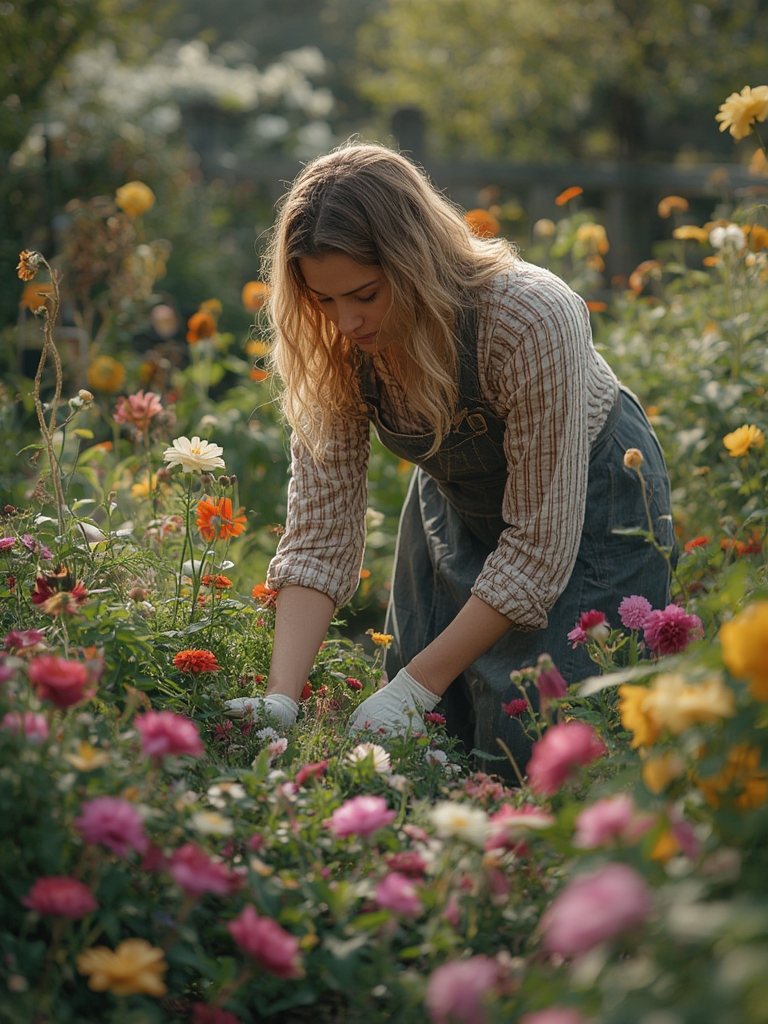
Flower gardening is both an art and a science. By combining seasonal data, soil analytics, and proven horticultural techniques, you can create a vibrant garden that bursts with color from spring through fall. Below is a step‑by‑step guide that walks you through planning, planting, and maintaining a flower garden that stays in bloom all season.
1. Choose the Right Flowers for Your Climate
Analyze Your USDA Hardiness Zone
Start by locating your USDA hardiness zone (easily found on the USDA website). This zone tells you the average annual minimum temperature, which determines which species will survive winter. For example:
- Zone 5–6: Delphinium, Peony, and Coneflower
- Zone 7–8: Roses, Daylilies, and Salvia
- Zone 9–10: Hibiscus, Bougainvillea, and Lantana
Match Bloom Times to Your Growing Season
Use bloom‑time charts (available from most seed catalogs) to select a mix that provides continuous color. A data‑driven approach is to allocate 30 % early‑season bloomers, 40 % mid‑season, and 30 % late‑season varieties. This ensures at least one group is flowering at any given time.
2. Prepare the Soil – The Foundation of Success
Test and Amend Your Soil
Send a sample to a local extension service for a nutrient analysis. Typical ideal ranges for flower beds are:
- pH: 6.0–6.8 (slightly acidic to neutral)
- Organic matter: 3–5 %
- Phosphorus (P): 30–50 ppm
- Potassium (K): 150–200 ppm
Based on the results, amend the soil as follows:
- Low pH: Add lime at 5 lb per 100 sq ft.
- Low organic matter: Incorporate 2–3 inches of well‑rotted compost.
- Phosphorus deficiency: Use bone meal (1 cup per 10 sq ft).
- Potassium deficiency: Apply wood ash (½ cup per 10 sq ft).
Improve Drainage
Flowers dislike “wet feet.” If your garden has heavy clay, create raised beds or mix in coarse sand (1 part sand to 4 parts soil). A simple percolation test—dig a 12‑inch hole, fill with water, and time the drainage—should show 1–2 inches per hour.
3. Design Your Layout for Maximum Impact
Use the “Three‑Color Rule”
Pick a dominant color (60 % of the bed), a secondary color (30 %), and an accent (10 %). This ratio creates visual harmony while allowing each flower to shine.

Plan for Height and Sunlight
Arrange plants from tallest (back or center) to shortest (front edge). A quick reference:
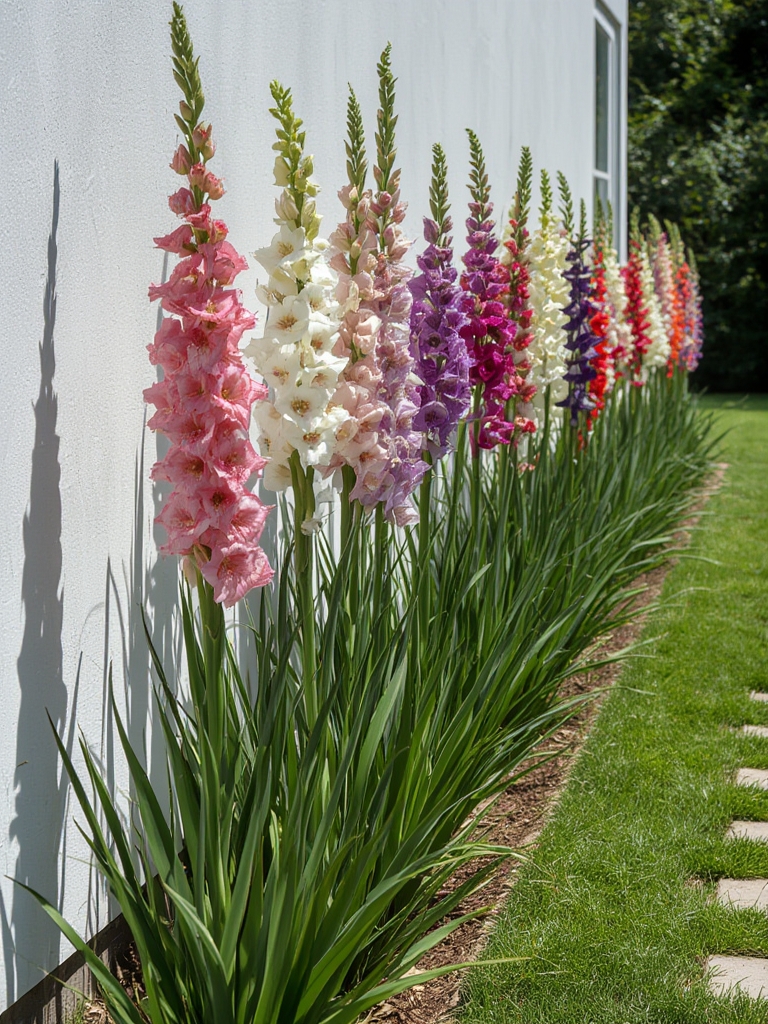
- Tall (3–5 ft): Lupine, Sunflower, Delphinium
- Medium (1.5–3 ft): Roses, Lavender, Salvia
- Low (under 1 ft): Pansy, Dianthus, Alyssum
Check sun exposure with a simple 24‑hour observation or a smartphone light meter app. Most flowering plants need at least 6 hours of direct sun daily.
4. Planting – Timing and Technique
When to Plant
Follow these data‑backed windows:
- Cool‑season annuals (pansies, snapdragons): Plant 2–4 weeks before the last frost.
- Warm‑season perennials (zinnias, marigolds): Plant after soil reaches 65 °F.
- Bulbs (tulips, daffodils): Plant in the fall, 6–8 weeks before ground freeze.
Spacing for Airflow
Overcrowding reduces bloom production and invites disease. Use the “spacing rule of thumb”: plant at a distance equal to the mature plant’s height. For example, a 12‑inch‑tall petunia should be spaced 12 inches apart.
Planting Steps
- Dig a hole twice as wide and the same depth as the root ball.
- Loosen the roots gently with fingers; trim any broken or dead roots.
- Place the plant so the crown sits level with the soil surface.
- Backfill with a mix of native soil and compost, firming lightly to eliminate air pockets.
- Water thoroughly (about 1 quart per plant) to settle the soil.
5. Ongoing Care – Water, Feed, and Protect
Smart Watering
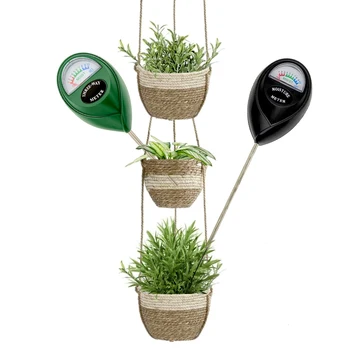
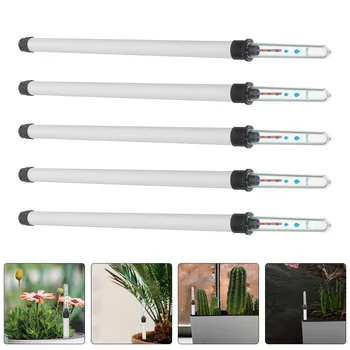
Use a soil moisture meter to keep the top 2 inches consistently moist but not soggy. Early morning watering (5–7 am) reduces evaporation and fungal risk. For a 100‑sq‑ft bed, aim for 0.5 inches of water per week—roughly 6 gallons.
Fertilization Schedule
Apply a balanced, slow‑release fertilizer (10‑10‑10) at planting and again after the first flush of blooms. For heavy feeders (e.g., roses), supplement with a liquid high‑phosphorus feed (e.g., 1 tbsp per gallon) every 4 weeks during peak growth.
Mulch for Moisture Retention
Spread 2–3 inches of organic mulch (shredded bark, straw, or leaf mold). Mulch reduces water loss by up to 30 % and suppresses weeds.
Pest and Disease Management
- Inspect weekly for aphids, spider mites, and fungal spots.
- Use neem oil (1 tsp per gallon) as a preventative spray every 10 days.
- Encourage beneficial insects by planting marigolds and dill nearby.
- Remove spent blooms (deadheading) to redirect energy into new flowers.
6. Extending the Bloom Season
Successive Planting
Every 2–3 weeks, sow a new batch of fast‑growing annuals (e.g., cosmos, petunias). This staggered approach keeps the garden fresh and colorful well into late fall.
Season‑Long Feeding
Switch to a high‑potassium fertilizer (e.g., 5‑10‑20) after the first half of the season to promote flower longevity.
Protect from Frost
When night temperatures dip below 40 °F, cover tender plants with a lightweight frost cloth. Remove the cover during the day to prevent overheating.
7. Harvest and Enjoy
Cutting Flowers
Harvest stems early in the morning when sugars are highest. Cut just above a leaf node and place stems in a bucket of cool water. Trim the ends underwater to avoid air bubbles and keep the vase water changed every 2 days.
Preserve Your Garden’s Beauty
Take photos at sunrise or sunset for the best natural lighting. Share your garden’s progress on social media using hashtags like #FlowerGarden and #SeasonalBlooms to connect with fellow gardeners and gain inspiration.
By following these data‑driven steps—selecting zone‑appropriate varieties, preparing soil based on test results, spacing for airflow, and maintaining a disciplined watering and feeding schedule—you’ll master the secrets of planting colorful flowers and enjoy a garden that blooms all season long.
