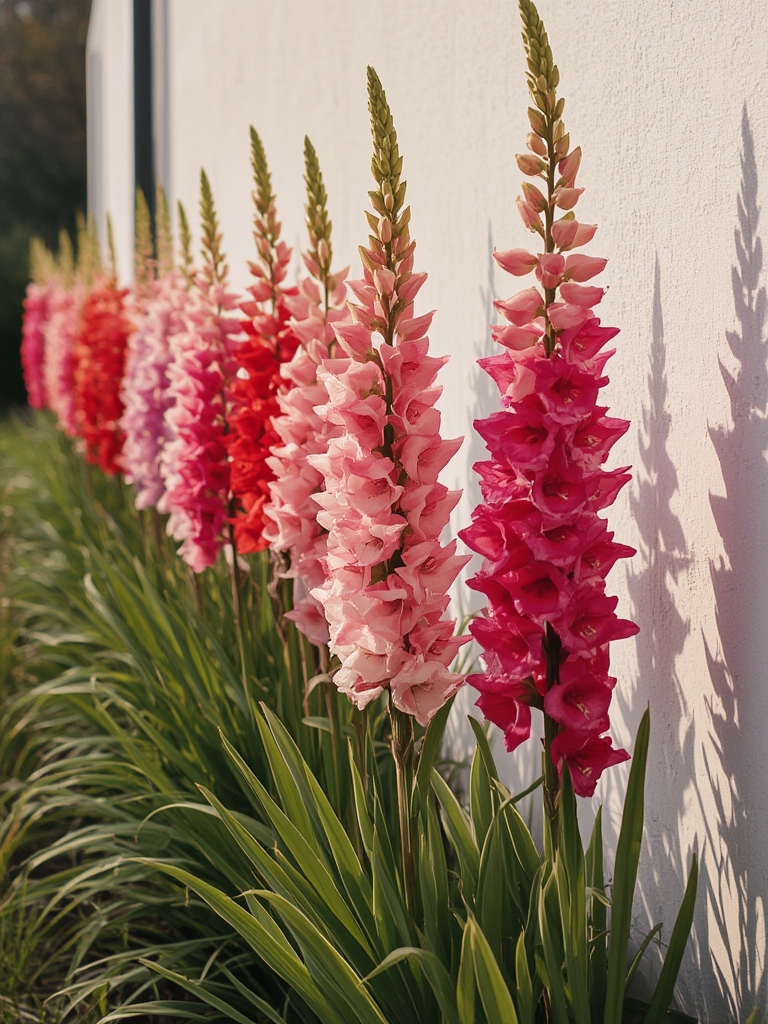
Flower gardening is more than just planting colorful blooms; it’s a rewarding blend of science, art, and a touch of jungle magic. By following data‑driven practices and simple, actionable steps, you can transform any yard or balcony into a thriving, lush oasis that attracts pollinators, brightens your space, and boosts your home’s curb appeal.
1. Planning Your Flower Garden
Assess Site Conditions
- Sunlight: Use a light meter or a smartphone app to record the number of direct sunlight hours each spot receives. Most flowering plants need 6‑8 hours of full sun; shade‑loving varieties thrive with 3‑4 hours.
- Soil pH: Test the soil with a pH kit. Aim for a pH of 6.0‑6.8 for most annuals and perennials. Adjust with lime (to raise) or sulfur (to lower) based on the test results.
- Drainage: Dig a 6‑inch test hole. Fill with water and time how long it takes to drain. If it takes more than 30 minutes, improve drainage with coarse sand or organic compost.
Choose the Right Plants
- Base your selection on climate zones (USDA zones 4‑9 cover most U.S. regions). Use the National Plant Database to match species to your zone.
- Mix fast‑blooming annuals (e.g., marigolds, petunias) with long‑lasting perennials (e.g., coneflowers, lavender) for continuous color.
- Incorporate foliage plants (e.g., hostas, ferns) for texture and to enhance the “jungle” feel.
2. Preparing the Soil
Amend the Soil
- Incorporate 2‑3 inches of well‑rotted compost to improve organic matter and water retention.
- Add a balanced slow‑release fertilizer (10‑10‑10) at a rate of 1 lb per 100 sq ft, mixing it evenly into the top 6 inches of soil.
- For heavy clay soils, blend in 1‑2 inches of coarse sand or perlite to enhance aeration.
Set Up a Soil Moisture Baseline
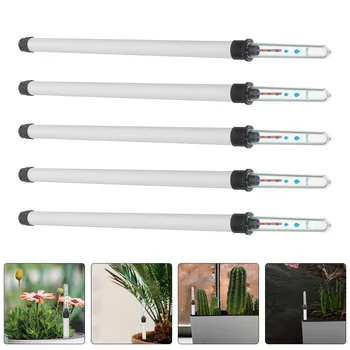
Place a moisture sensor at root depth (4‑6 inches) and record readings for the first week after planting. Aim for a consistent reading of 40‑60% volumetric water content; adjust irrigation accordingly.
3. Planting Techniques
Layout and Spacing
- Follow the “3‑2‑1” rule: 3 ft between tall perennials, 2 ft between medium‑height plants, and 1 ft between low‑groundcovers.
- Use a garden design app to create a “heat map” of plant heights, ensuring taller species are placed at the back or center for a jungle tiered effect.
Planting Depth and Orientation
- Dig a hole twice as wide but the same depth as the root ball.
- Place the plant so the crown sits 1‑2 inches above the soil line to prevent rot.
- Orient foliage toward the prevailing wind to reduce leaf damage.
Watering In
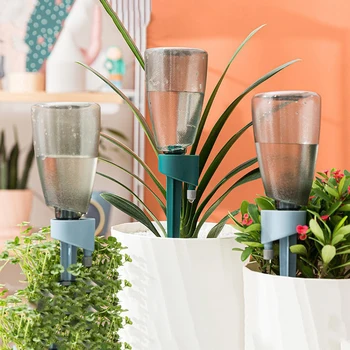
Immediately after planting, water each plant with 1‑2 gallons (≈3.8‑7.6 L) to settle soil around roots. Use a drip‑irrigation system set to deliver 0.5 inches of water per week, adjusting for rainfall.
4. Ongoing Care and Maintenance
Water Management
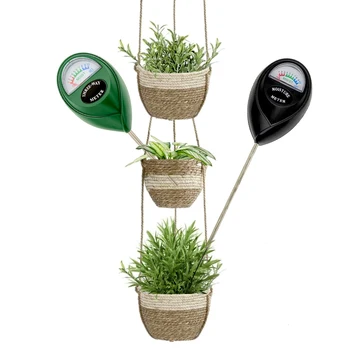
- Check soil moisture twice weekly with a handheld meter. Water only when the top 1‑2 inches feel dry.
- Mulch with 2‑3 inches of shredded bark or straw to retain moisture and suppress weeds.
Fertilization Schedule
- Apply a liquid fertilizer (5‑10‑5) every 4‑6 weeks during the growing season.
- For heavy‑flowering varieties, supplement with a phosphorus‑rich bloom booster (e.g., 15‑30‑15) after the first flush of buds.
Pruning and Deadheading
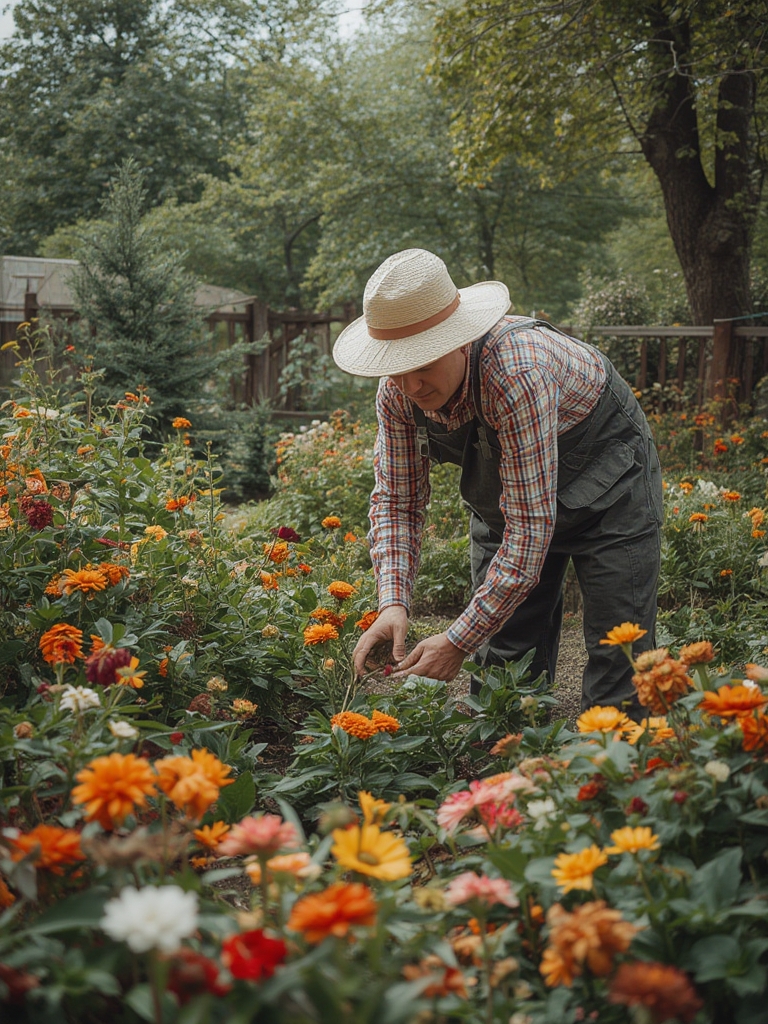
- Remove spent blooms weekly to encourage repeat flowering.
- Trim back leggy stems by ⅓ to promote bushier growth.
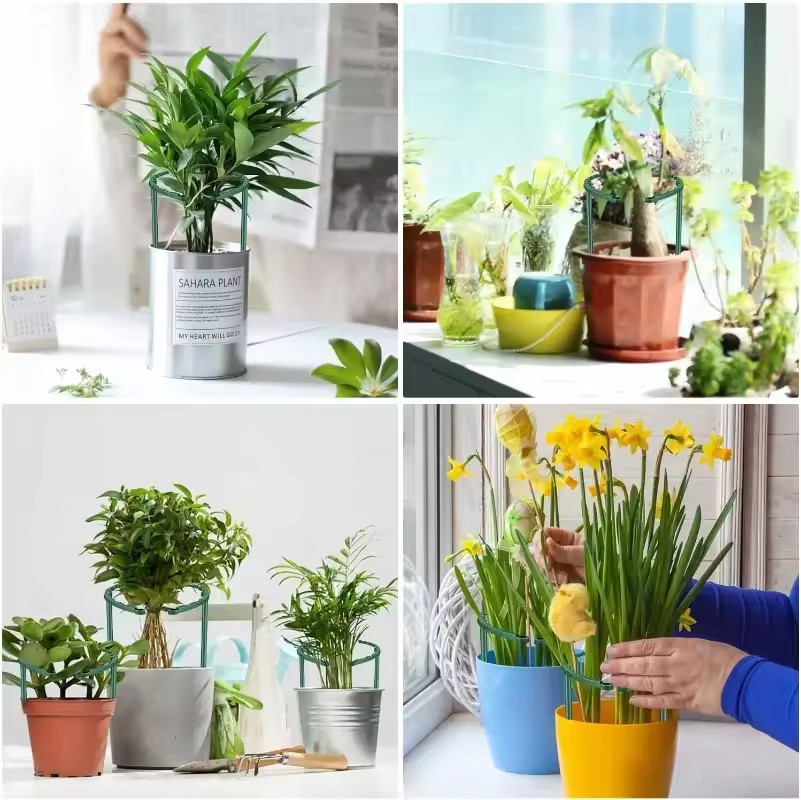
- For vines and climbers, train new growth onto trellises using soft plant ties, pruning back excess shoots to maintain a tidy canopy.
Pest and Disease Monitoring
- Inspect leaves weekly for signs of aphids, spider mites, or fungal spots.
- Use neem oil (2 ml per liter of water) as a preventative spray every 10‑14 days.
- Introduce beneficial insects—ladybugs and lacewings—by planting companion herbs like dill and fennel.
5. Creating Lush Jungle Vibes
Layered Planting
- Establish a three‑layer structure: Canopy (tall tropical foliage like banana plants or large hibiscus), Mid‑layer (flowering shrubs such as oleander or bougainvillea), and Groundcover (low‑growers like begonias, impatiens, or moss).
- Use overlapping foliage to mimic a dense understory, which creates depth and a sense of immersion.
Color Palette for Jungle Effect
- Choose a base of deep greens (e.g., philodendron, monstera) and accent with bold tropical colors—reds, oranges, and purples.
- Apply the 60‑30‑10 rule: 60% foliage, 30% complementary flower colors, and 10% accent hues for visual balance.
Strategic Placement of Decorative Elements
- Incorporate natural stones, driftwood, or bamboo stakes to break up the planting area and add texture.
- Hang a few trailing vines (e.g., pothos or string of pearls) from pergolas or garden arches to enhance vertical interest.
- Install low‑level LED grow lights (3000 K) for evening ambience and to extend bloom periods in cooler climates.
Microclimate Enhancements
- Place a shallow water feature or misting system to raise humidity, which benefits tropical species.
- Use windbreaks—such as tall ornamental grasses or a living fence—to protect delicate blooms from strong gusts.
6. Harvesting and Seasonal Adjustments
Cutting Flowers for Arrangements
- Harvest in the early morning when stems are turgid.
- Cut stems at a 45‑degree angle, removing leaves that will sit below the water line.
- Place stems in a bucket of cool water with a teaspoon of sugar to prolong vase life.
Seasonal Rotation
- In fall, replace annuals with hardy perennials (e.g., asters, mums) that provide late‑season color.
- Apply a thick layer of compost and a winter mulch (e.g., shredded leaves) to protect roots from freeze‑thaw cycles.
- In spring, perform a “soil refresh” by aerating the beds and adding a light top‑dressing of compost.
7. Tracking Success with Data
Maintain a Garden Journal
- Log planting dates, species, soil test results, and watering schedules.
- Record bloom onset, peak, and duration for each variety; this data helps predict future planting cycles.
Use Simple Analytics
Set up a spreadsheet to track key metrics: growth rate (cm/week), flower count per plant, and pest incidents per month. Analyzing trends over two growing seasons will reveal which varieties perform best in your microclimate.
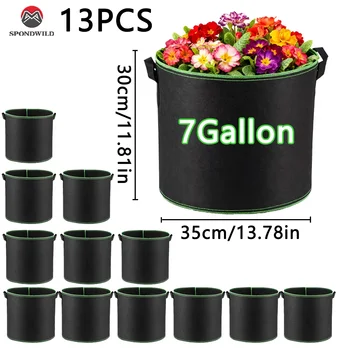
By combining these data‑driven steps with creative design principles, you’ll not only grow a vibrant flower garden but also craft a jungle‑inspired retreat that thrives year after year. Happy planting!