Welcome to your step‑by‑step guide on building a thriving, sustainable garden that not only feeds the planet but also creates a peaceful outdoor retreat. By combining eco‑friendly gardening practices with smart design, you’ll grow healthier plants, conserve resources, and end up with a cozy seating nook where you can unwind after a day of nurturing your green space.
1. Plan Your Garden with Data‑Driven Insights
Assess Your Micro‑Climate
- Sun exposure map: Use a simple smartphone app (e.g., Sun Seeker) to log sunlight hours on a paper sketch of your yard. Mark zones that receive full sun (6+ hrs), partial shade (3‑6 hrs), and full shade (<3 hrs).
- Temperature trends: Check local weather station data for average high/low temperatures and frost dates. This helps you select plants that will thrive without excessive heating or cooling.
- Wind patterns: Observe prevailing winds for at least three days. Note any strong gusts that could dry out soil or damage delicate foliage.
Choose Native and Drought‑Tolerant Plants
Native species are adapted to local conditions, requiring less water, fertilizer, and pest control. Use the USDA Plant Hardiness Zone map to filter plants that match your zone, then cross‑reference with a regional native plant database. For example, in Zone 7 you might select:
- Bee balm (Monarda didyma) – attracts pollinators and tolerates dry spells.
- Black-eyed Susan (Rudbeckia hirta) – low‑maintenance, blooms all summer.
- Lavender (Lavandula angustifolia) – thrives in well‑drained soil and needs minimal watering.
Map Out Water‑Saving Irrigation
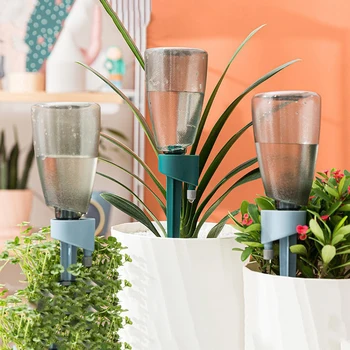
Design a drip‑irrigation layout based on your sun exposure map. Place drip lines along the plant rows that receive the most sun, as they will need the most water. Use a flow‑meter to calculate the exact gallons per hour needed, then set a timer to water early morning (4‑6 am) when evaporation is lowest.
2. Build Healthy Soil the Sustainable Way
Test and Amend Your Soil
Send a sample to a local extension service for pH, organic matter, and nutrient levels. Aim for a pH of 6.0‑6.5 for most vegetables and herbs. Based on the results, amend as follows:
- Low pH (acidic): Add lime at a rate of 5 lb per 100 sq ft per 0.1 pH unit needed.
- Low organic matter: Incorporate 2‑3 inches of compost, then till lightly to a depth of 6‑8 in.
- Excessive nitrogen: Mix in a handful of gypsum per 100 sq ft to balance nutrients.
Implement Mulching for Moisture Retention
Spread 2‑3 inches of organic mulch (e.g., shredded bark, straw, or leaf mold) around plants. Mulch reduces evaporation by up to 40 %, suppresses weeds, and slowly adds organic matter as it decomposes.
Introduce Beneficial Soil Life
Inoculate beds with mycorrhizal fungi and beneficial nematodes. These organisms improve nutrient uptake and naturally control soil‑borne pests. Apply a powdered mycorrhizal product at planting time, following the label’s dosage (usually 1 tbsp per 10 lb of soil).
3. Planting and Care Steps for a Sustainable Garden
Step 1: Seed Sowing and Transplanting
- Timing: Plant cool‑season crops (lettuce, peas) 2‑4 weeks before the last frost; warm‑season crops (tomatoes, peppers) after the soil reaches 65 °F.
- Spacing: Follow seed packet recommendations, but consider “square foot gardening” to maximize space and reduce water use.
- Watering: After sowing, mist gently with a fine spray to avoid displacing seeds. Keep the soil consistently moist until germination.
Step 2: Ongoing Water Management
- Check soil moisture: Insert a finger 2 inches deep; if it feels dry, water.
- Adjust drip flow: Use a flow‑meter weekly to ensure each line delivers the same volume, preventing over‑watering in shaded areas.
- Rainwater harvesting: Install a 200‑gallon rain barrel with a first‑flush diverter to capture clean water for irrigation.
Step 3: Integrated Pest Management (IPM)
- Scouting: Walk the garden weekly, noting any insects or disease signs. Use a handheld magnifier for early detection.
- Physical controls: Hand‑pick pests, use row covers for vulnerable seedlings, and install copper tape around beds to deter slugs.
- Biological controls: Release ladybugs or lacewings to combat aphids. A small packet (≈ 5,000 insects) per 100 sq ft is sufficient.
- Organic sprays: If needed, apply a neem oil solution (2 tbsp per gallon water) early morning or late evening to avoid pollinator harm.
Step 4: Harvest and Soil Renewal
- Harvest timing: Pick vegetables at peak ripeness for best flavor and to encourage continuous production.
- Compost leftovers: Add plant trimmings and kitchen scraps to a backyard compost bin. Turn the pile every 2‑3 weeks to accelerate decomposition.
- Cover cropping: After the main harvest, sow a winter cover crop (e.g., clover or rye) to protect soil, fix nitrogen, and suppress weeds.
4. Create Your Own Relaxing Seating Space Outdoors
Select a Location That Complements the Garden
Choose a spot that receives morning sun and afternoon shade—ideal for comfortable sitting. Use the same sun‑exposure map from the planning stage to pinpoint a location that offers a view of your most colorful beds.

Build an Eco‑Friendly Seating Area
- Materials: Reclaimed wood pallets, reclaimed bricks, or recycled plastic lumber are sustainable options.
- Foundation: Lay a compacted gravel base (2‑3 inches) to improve drainage and reduce soil compaction.
- Seating: Construct a simple bench using pallet boards, securing them with stainless steel screws. Finish with a natural oil sealant to protect against weather.
Incorporate Green Elements
- Living borders: Plant low‑growth herbs (mint, thyme) along the bench edges. They release pleasant aromas and are readily available for cooking.
- Shade cloth or pergola: Install a lightweight bamboo pergola and drape a reclaimed fabric canopy to provide dappled shade on hot days.
- Water feature: Add a small solar‑powered fountain. The gentle sound of water enhances relaxation while attracting pollinators.
Maintain the Seating Area Sustainably
- Cleaning: Sweep debris with a broom made from reclaimed bamboo. Avoid pressure washing, which can damage surrounding plants.
- Seasonal refresh: Rotate a few potted annuals on the bench each spring for color variation without replanting.
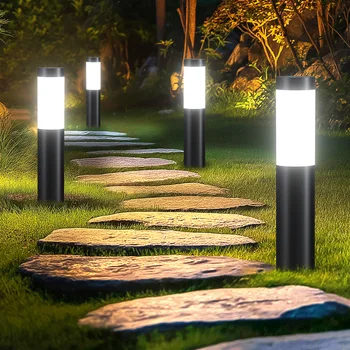
- Lighting: Use solar LED string lights or low‑voltage LED path lights powered by the same rain barrel system (via a small solar pump) for evening ambiance.
5. Track Your Progress and Optimize
Keep a Garden Journal
Record planting dates, water usage (gallons per week), and harvest yields. Over time, you’ll spot trends—such as which zones need less water or which crops produce the highest return.
Use Simple Metrics for Sustainability
- Water savings: Compare your drip‑irrigation usage to a traditional sprinkler system (typically 30‑50 % less water).
- Soil health: Test organic matter annually; aim for a 1‑2 % increase each year.
- Carbon footprint: Calculate reduced emissions by using rainwater instead of municipal water (≈ 0.5 kg CO₂ per 1,000 gallons saved).
Adjust Based on Data
If a particular plant consistently underperforms, replace it with a more climate‑appropriate native species. If water usage spikes, check for clogged drip emitters or adjust mulch depth.
By following these data‑driven steps, you’ll cultivate a garden that not only thrives with minimal environmental impact but also provides a serene outdoor living space. Happy sustainable gardening!