
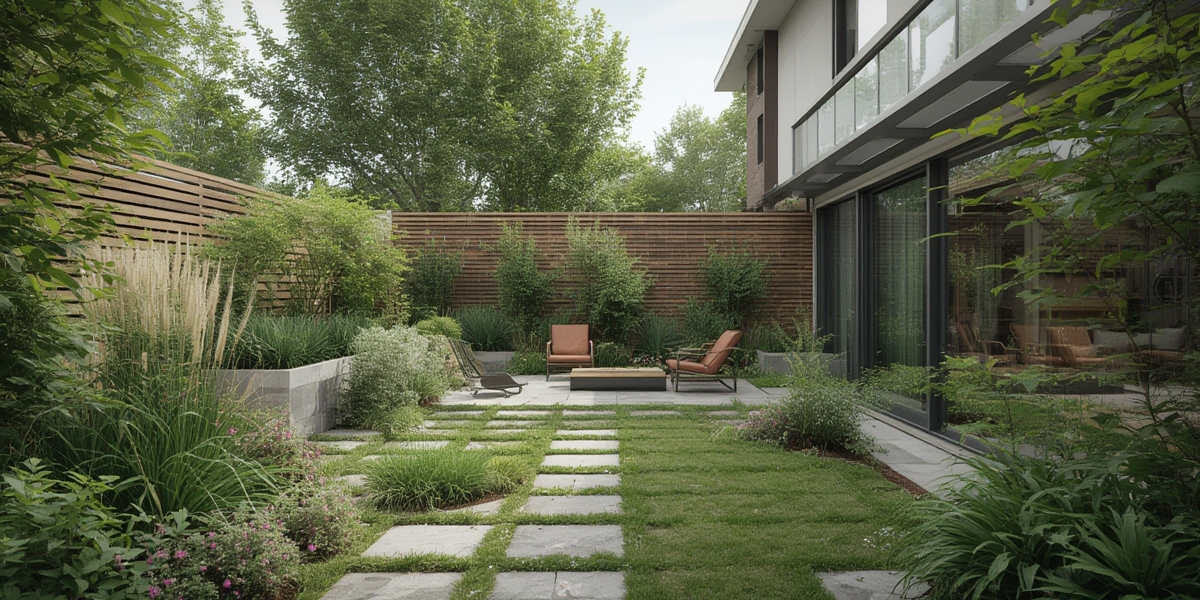
Welcome to the world of modern vegetable gardening! Whether you have a spacious backyard or a compact balcony, creating a thriving garden is within reach. This guide walks you through each step—from planning and soil preparation to planting and maintenance—so you can enjoy fresh, home‑grown produce all season long.
Why Choose a Modern Vegetable Garden?
Modern vegetable gardens blend traditional growing techniques with smart, space‑saving designs. By incorporating raised beds, vertical structures, and efficient watering systems, you can maximize yield while minimizing effort. This approach is perfect for beginners because it offers clear, organized layouts and reduces common gardening hassles.
Step 1: Planning Your Garden Layout
Assess Your Space
- Sunlight: Most vegetables need at least 6–8 hours of direct sun daily. Observe the area throughout the day to identify the sunniest spots.
- Soil Type: Test the soil pH and texture. A simple home kit can tell you if you need to amend the soil with compost or lime.
- Accessibility: Ensure pathways are at least 24 inches wide for easy movement, especially if you plan to use a wheelbarrow.
Choose a Garden Style
For a modern look, consider one of these popular layouts:
- Raised Beds: Elevated, defined planting areas that improve drainage and soil quality.
- Vertical Gardens: Trellises, pallets, or wall-mounted planters that let you grow upward, perfect for limited space.
- Container Gardens: Portable pots and troughs that can be moved to follow the sun.
Step 2: Preparing the Soil
Build Rich, Loamy Soil
Healthy soil is the foundation of a successful garden. Follow these steps to create a fertile growing medium:
- Clear the Area: Remove weeds, rocks, and debris.
- Loosen the Soil: Use a garden fork or tiller to break up compacted layers to a depth of 12–18 inches.
- Incorporate Organic Matter: Add 2–3 inches of compost, well‑rotted manure, or leaf mold. Mix thoroughly.
- Adjust pH: If the test shows a pH outside the 6.0–7.0 range, add lime to raise it or sulfur to lower it.
Modern Soil Enhancements
Consider these low‑maintenance upgrades:
- Mulch: A 2‑inch layer of straw, wood chips, or shredded leaves conserves moisture and suppresses weeds.
- Perlite or Vermiculite: Mix a small amount into container soil to improve aeration and drainage.
Step 3: Selecting the Right Vegetables
Start with Easy‑Grow Varieties
For beginners, choose crops that are forgiving and productive:
- Leafy greens (lettuce, spinach, kale)
- Root vegetables (radishes, carrots, beets)
- Fruit‑bearing plants (tomatoes, peppers, cucumbers)
- Legumes (green beans, peas)
Companion Planting for a Modern Garden
Pairing compatible plants can boost growth and deter pests. Examples include:
- Tomatoes with basil – basil repels tomato hornworms.
- Carrots with onions – onions help deter carrot flies.
- Leafy greens with radishes – radishes break up soil and improve drainage.
Step 4: Installing Efficient Watering Systems
Drip Irrigation Basics
Drip lines deliver water directly to the root zone, reducing waste and disease risk. To set up a simple system:
- Lay a main supply line from a faucet or rain barrel.
- Attach drip tubing to each raised bed or container.
- Place emitters near the base of each plant (usually 1–2 gallons per hour).
- Set a timer for early morning watering, 1–2 times per week, depending on weather.
Rainwater Harvesting
Collecting rainwater not only saves on utility bills but also provides softer water for plants. Install a rain barrel with a mesh screen to keep debris out, and connect it to your drip system using a simple gravity‑fed pump.
Step 5: Planting Techniques
Spacing and Depth
Follow seed packet instructions for spacing, but a good rule of thumb is:
- Leafy greens: 6–8 inches apart.
- Root crops: 2–3 inches deep, 3–4 inches apart.
- Fruit‑bearing plants: 18–24 inches apart for vines; 12–18 inches for bush varieties.
Succession Planting
To enjoy a continuous harvest, stagger planting dates every 2–3 weeks. For example, sow a batch of lettuce now, then another batch in two weeks, and repeat throughout the growing season.
Step 6: Ongoing Care and Maintenance
Weed Management
Weeds compete for nutrients and water. Keep them under control by:
- Mulching regularly.
- Hand‑pulling before they set seed.
- Using a hoe to cut shallow roots.
Fertilizing
Even with rich soil, a light feed can boost yields. Apply a balanced organic fertilizer (e.g., 10‑10‑10) every 4–6 weeks, or use a liquid seaweed extract for a quick nutrient boost.
Pest Monitoring
Inspect leaves weekly for signs of insects or disease. Early detection allows for simple, non‑chemical solutions:
- Hand‑pick aphids and caterpillars.
- Spray a neem oil solution for soft‑bodied pests.
- Introduce beneficial insects like ladybugs.
Common Mistakes to Avoid
Over‑watering or Under‑watering
Both extremes stress plants. Use a soil moisture meter or simply stick your finger 2 inches into the soil; it should feel moist but not soggy.
Planting Too Early
Cool‑season crops can tolerate a light frost, but warm‑season vegetables (tomatoes, peppers) need soil temperatures above 60°F (15°C). Check local frost dates before sowing.
Ignoring Soil Health
Skipping soil amendments leads to nutrient deficiencies. Refresh compost annually and rotate crops each season to prevent soil‑borne diseases.
Overcrowding Plants
Cramped spacing reduces airflow, increasing the risk of fungal problems. Stick to recommended spacing and thin seedlings as needed.
Harvesting and Enjoying Your Produce
When to Harvest
Harvest at the peak of flavor:
- Leafy greens: Cut outer leaves once they reach 4–6 inches tall.
- Root vegetables: Gently pull when they reach desired size; larger roots may become woody.
- Fruit‑bearing plants: Pick tomatoes when fully colored and slightly soft to the touch.
Post‑Harvest Care
Store leafy greens in a perforated bag in the refrigerator to retain crispness. Keep root vegetables in a cool, dark place (like a basement) for longer shelf life.
Conclusion
Creating a modern vegetable garden is a rewarding blend of thoughtful design, simple science, and hands‑on care. By following the steps outlined—planning your layout, preparing nutrient‑rich soil, selecting beginner‑friendly crops, installing efficient watering, and staying vigilant with maintenance—you’ll set the stage for a bountiful harvest. Remember, gardening is a learning journey; each season brings new insights. Embrace the process, enjoy the fresh flavors, and watch your garden flourish.