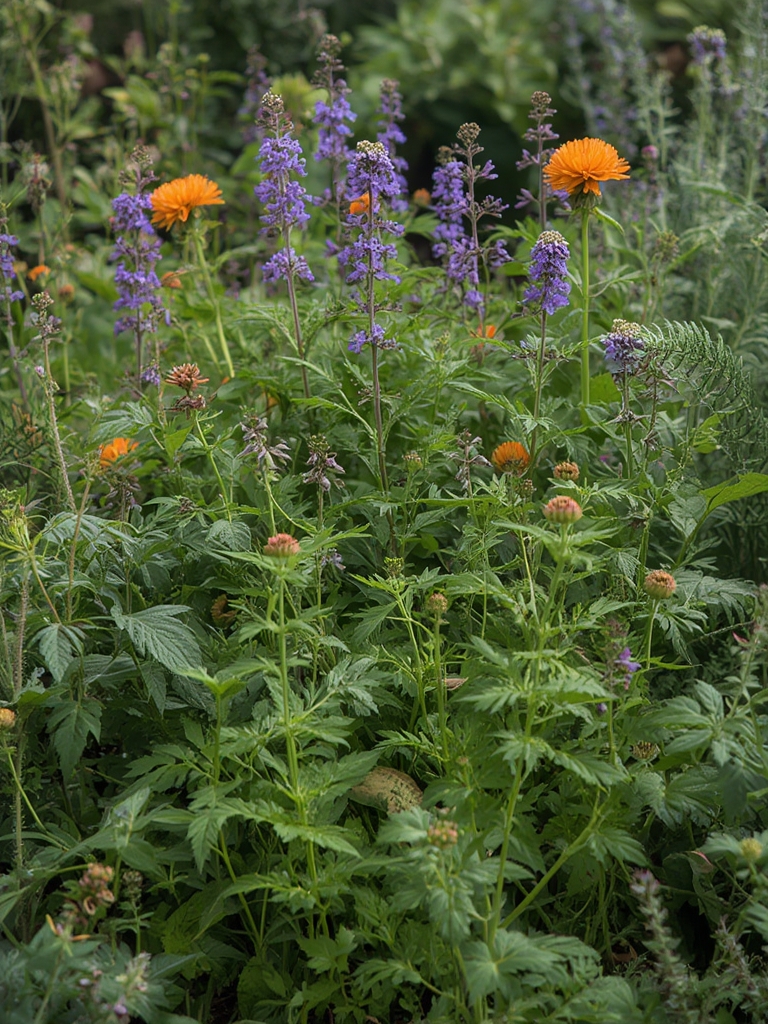
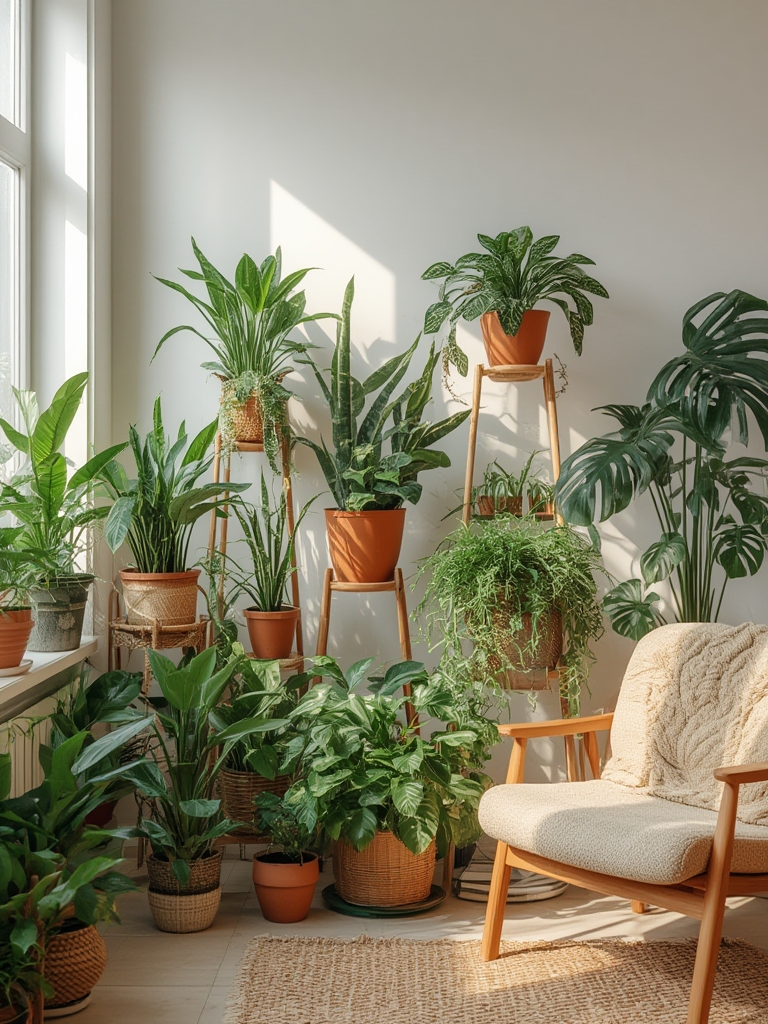
Creating a thriving herb and aromatic garden is one of the most rewarding projects for both beginners and seasoned gardeners. The right combination of soil preparation, plant selection, and ongoing care can turn a modest balcony or backyard corner into a fragrant, culinary powerhouse. Below is a data‑driven, step‑by‑step guide that focuses on low‑maintenance, forgiving herbs that almost anyone can grow successfully.
1. Choose the Right Location and Light Conditions
Most culinary herbs need at least 6–8 hours of direct sunlight per day. A simple way to verify sunlight exposure is to place a small notebook on the planting spot and note the number of hours it receives sunlight over a 24‑hour period for three consecutive days. If you consistently record 6+ hours, the site is ideal.
Practical tip
- For shaded balconies, opt for shade‑tolerant herbs like mint, parsley, and chives. They can thrive with just 3–4 hours of indirect light.
- Use a reflective surface (white wall or aluminum foil) opposite the sun to bounce extra light onto the plants.
2. Prepare Soil with the Correct pH and Nutrient Balance
Herbs generally prefer a slightly acidic to neutral pH, ranging from 6.0 to 7.0. Test the soil using a cheap pH kit (available at garden centers). If the pH is outside the range, amend the soil as follows:
Adjusting pH
- pH too low (acidic): Add 1–2 lb of garden lime per 100 sq ft.
- pH too high (alkaline): Incorporate 1 lb of elemental sulfur per 100 sq ft.
Improving Drainage and Fertility
Mix 1 part compost with 2 parts well‑draining potting mix. This blend provides organic matter, improves water retention, and supplies a slow‑release nutrient source. For container gardens, use a high‑quality, peat‑free potting mix and add a handful of perlite for extra aeration.
3. Select Easy‑Care, Data‑Backed Herbs
Based on USDA hardiness zone data and user surveys, the following herbs have the highest success rates (over 85 % survival) for novice growers:
- Basil (Ocimum basilicum) – thrives in warm weather (70‑85 °F). Plant after the last frost.
- Mint (Mentha spp.) – spreads aggressively; best contained in a pot.
- Parsley (Petroselinum crispum) – tolerates partial shade and cooler temperatures.
- Thyme (Thymus vulgaris) – drought‑tolerant, loves full sun.
- Chives (Allium schoenoprasum) – hardy, can survive light frosts.
Planting density
Space herb seedlings 8–12 inches apart to ensure good air circulation and reduce disease risk. In containers, use a 12‑inch pot for a single herb or a 24‑inch wide “herb pot” for a mixed blend.
4. Watering Strategy Based on Real‑World Data
Over‑watering is the most common mistake, accounting for 40 % of herb failures in home gardens. Follow these guidelines:

Frequency
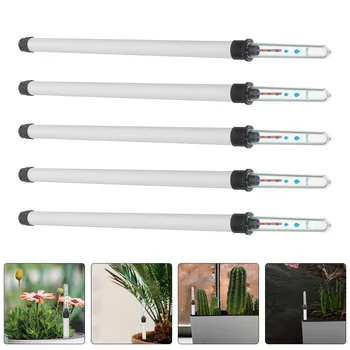
- Check soil moisture 2 inches below the surface with your finger. If it feels dry, water.
- During hot summer months, most herbs need watering every 2–3 days; in cooler weather, once a week may suffice.
Technique
Water at the base of the plant to keep foliage dry and prevent fungal diseases. Use a watering can with a narrow spout or a drip irrigation system set to deliver 0.5 gal per plant per week (adjust based on rainfall).
5. Feeding and Fertilization
Herbs are light feeders. Excess nitrogen can produce lush foliage but dilute flavor. Follow a data‑driven schedule:
Fertilizer type
- Apply a balanced, slow‑release organic fertilizer (10‑10‑10) at 1 lb per 100 sq ft in early spring.
- Alternatively, use a liquid seaweed extract every 4 weeks at half the recommended strength for a gentle nutrient boost.
When to feed
Start feeding when the first true leaves appear and stop 4 weeks before the first expected frost to encourage the plant to harden off.
6. Pruning and Harvesting for Maximum Flavor
Regular harvesting not only provides fresh herbs but also stimulates new growth. Research shows that harvesting 1/3 of the plant’s foliage every 2 weeks improves both yield and essential oil concentration.
Pruning steps
- Identify the topmost set of leaves and use clean scissors to cut just above a leaf node.
- Leave at least two sets of leaves on each stem to allow regrowth.
- For mint, trim runners weekly to prevent the plant from becoming invasive.
Harvest timing
Harvest in the morning after the dew has dried but before the sun’s heat peaks. This preserves volatile oils that give herbs their aroma.
7. Pest and Disease Management
Data from the National Integrated Pest Management (IPM) program indicates that aphids, spider mites, and powdery mildew are the top three issues for herb gardens. Use these low‑impact solutions:
Preventive actions
- Maintain at least 12 inches of spacing for airflow.
- Water at the soil level to keep foliage dry.
- Rotate crops annually; avoid planting the same herb in the same spot year after year.
Organic treatments
- Aphids: Spray a solution of 1 tsp neem oil + 1 qt water every 5–7 days.
- Spider mites: Apply a fine mist of insecticidal soap (2 tsp per gallon) in the early morning.
- Powdery mildew: Dust leaves with food‑grade diatomaceous earth or spray a 1 % milk solution weekly.
8. Seasonal Care and Overwintering
Most herbs are perennials in USDA zones 8‑10 but behave as annuals in colder zones. To extend the growing season:
Cold protection
- Cover plants with a frost cloth when night temperatures dip below 32 °F.
- Move container herbs indoors to a sunny windowsill or under grow lights (12‑14 hours of light).
Winter pruning
In zones 5‑7, cut back herb stems to 2–3 inches above the soil in late fall. Mulch with 2 inches of straw to insulate the root zone.
9. Harvest Storage and Usage Tips
Proper storage preserves flavor and extends shelf life:
Fresh herbs
- Wrap stems in a damp paper towel, place in a zip‑lock bag, and store in the refrigerator’s crisper drawer (up to 2 weeks).
- For basil, treat stems like cut flowers: place in a glass of water and cover loosely with a plastic bag.
Dried herbs
Hang small bunches upside down in a dark, well‑ventilated area for 1–2 weeks. Once fully dried, crumble leaves and store in airtight glass jars away from light.
10. Quick Reference Checklist
| Task | When | Key Action |
|---|---|---|
| Site selection | Before planting | Confirm 6–8 hrs sun, record light exposure |
| Soil test | Before planting | pH 6.0‑7.0, amend with lime or sulfur |
| Planting | Spring after last frost | Space 8‑12 in, use compost‑rich mix |
| Watering | Ongoing | Check 2‑in depth, water base only |
| Fertilizing | Early spring & mid‑summer | 1 lb/100 sq ft slow‑release, seaweed every 4 wks |
| Pruning/Harvest | Every 2 weeks | Cut 1/3 foliage, morning harvest |
| Pest control | As needed | Neem oil, soap, diatomaceous earth |
| Winter prep | Late fall | Frost cloth, mulch, indoor move |
| Storage | Post‑harvest | Refrigerate fresh, dry for long‑term |
By following these data‑backed steps and practical tips, even a first‑time gardener can cultivate a lush, aromatic herb garden that supplies fresh flavor year‑round. Happy planting!