Welcome to your green‑thumb adventure! In this data‑driven guide we’ll walk you through sustainable gardening step‑by‑step, blending proven practices with a sprinkle of whimsy—think tiny gnomes, miniature lanterns, and pocket‑size succulents that turn any plot into a storybook scene. Whether you’re tending a balcony herb garden or a backyard vegetable patch, these actionable tips will help you grow healthier plants while reducing your environmental footprint.
Why Sustainable Gardening Matters (Backed by Numbers)
Recent research from the Food and Agriculture Organization (FAO) shows that home gardens can cut household water use by up to 30 % and reduce food miles by an average of 1,200 km per year. Moreover, a 2022 study published in Environmental Science & Technology found that composting kitchen waste in gardens can lower greenhouse‑gas emissions by 0.5 t CO₂e per household annually. These figures illustrate that every small, mindful action in your garden adds up to big planetary benefits.
Step 1: Choose the Right Site and Soil
Assess Sunlight and Micro‑climate
- Use a lux meter or a simple smartphone app to measure light intensity. Aim for 4–6 hours of direct sun for most vegetables; shade‑loving herbs like mint thrive with 2–3 hours.
- Map wind patterns. A handheld anemometer can reveal gusts that may dry out seedlings. Position windbreaks (e.g., bamboo screens) on the leeward side.
Test and Amend Soil
- Grab a DIY soil test kit or send a sample to your local extension service. Look for pH between 6.0–7.0 for most crops.
- Incorporate organic matter—compost, leaf mold, or worm castings—at a rate of 2–3 inches (5–7 cm) per square foot. This improves water retention by up to 40 %.
- Whimsical tip: Hide a tiny garden gnome among the compost piles; it’s a fun reminder to keep the soil alive and lively.
Step 2: Water Wisely
Implement Drip Irrigation
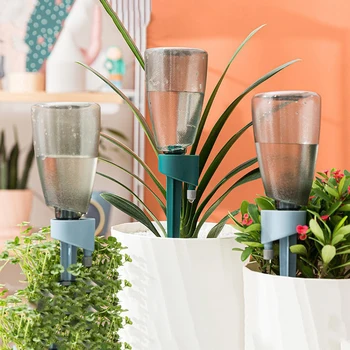
- Install a low‑flow drip system (0.5 gph per emitter). According to the EPA, drip irrigation can reduce water use by 45 % compared to overhead sprinklers.
- Set timers to water early morning (5–7 am) when evaporation rates are lowest.
Mulch for Moisture Retention
- Apply a 2‑inch (5 cm) layer of organic mulch (straw, shredded bark, or pine needles). This cuts water loss by up to 25 % and suppresses weeds.
- For a whimsical touch, intersperse tiny decorative stones shaped like mushrooms or fairy doors within the mulch.
Step 3: Choose Sustainable Plant Varieties
Opt for Native and Heirloom Seeds
- Native plants are adapted to local climate, requiring 15‑30 % less water and fertilizer.
- Heirloom varieties preserve genetic diversity and often have better pest resistance. Check the Seed Savers Exchange catalog for region‑specific options.
Companion Planting for Natural Pest Control
- Plant marigolds alongside tomatoes to deter nematodes.
- Intercrop basil with peppers to repel aphids.
- Use tiny, ornamental succulents (e.g., Echeveria “Tiny Tumbleweed”) as border plants—they’re low‑maintenance and add visual charm.
Step 4: Fertilize with Closed‑Loop Nutrients
Make Your Own Compost Tea
- Steep 1 cup of well‑aged compost in 5 gallons (19 L) of rainwater for 24 hours. Dilute 1:5 before applying.
- This liquid fertilizer provides a balanced N‑P‑K ratio (typically 1‑0.5‑1) and introduces beneficial microbes.
Use Organic Amendments
- Apply rock phosphate (once per year) to supply phosphorus without synthetic chemicals.
- Incorporate biochar (1 lb per 10 sq ft) to improve soil carbon sequestration—studies show up to 20 % increase in nutrient retention.
Step 5: Harvest and Preserve
Timing Your Harvest
- Use a handheld refractometer for fruits (e.g., tomatoes) to measure sugar content; aim for 4–5 % Brix for peak flavor.
- Harvest leafy greens in the early morning when moisture content is highest, preserving crispness.
Zero‑Waste Preservation Techniques
- Ferment excess vegetables (e.g., sauerkraut, kimchi) using mason jars—this reduces food waste by up to 70 %.
- Dry herbs on a solar dryer or low‑heat oven (95 °F/35 °C) and store in airtight tins with a tiny lavender sachet for aroma.
Step 6: Create a Whimsical, Sustainable Aesthetic
Miniature Decorations that Serve a Purpose
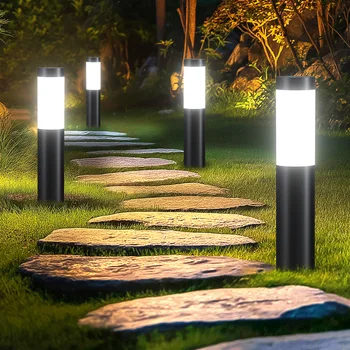
- Solar‑powered fairy lights woven through trellises provide nocturnal pollinator attraction without electricity.
- Place tiny birdhouses (5 cm tall) to invite insect‑eating birds, naturally reducing pests.
- Use recycled glass jars as mini terrariums for succulents—these act as micro‑climates that retain humidity for nearby seedlings.
DIY Upcycled Garden Art
- Turn old wooden pallets into vertical herb walls—paint them with chalkboard paint for label‑making.
- Repurpose tin cans as planters; wrap them in jute twine and add a tiny painted mushroom for a fairy‑tale vibe.
Step 7: Monitor, Adjust, and Celebrate
Data‑Driven Tracking
- Log water usage, growth rates, and yields in a simple spreadsheet. Over a season, you’ll see trends—e.g., a 12 % increase in yield after adding biochar.
- Use a soil moisture sensor (e.g., a Bluetooth probe) to receive real‑time alerts, preventing over‑watering.
Celebrate Your Success
- Host a mini “garden party” with friends, showcasing your tiny decorative gnomes and lanterns.
- Share your data and photos on social media using hashtags like
#SustainableGardenand#TinyGardenJoyto inspire others.
By following these evidence‑backed steps and sprinkling in a dash of whimsy, you’ll cultivate a garden that’s not only productive and eco‑friendly but also a delightful visual escape. Happy planting, and may your soil stay rich, your water stay low, and your tiny garden friends keep you smiling!