
Creating a thriving green space on a small balcony can feel like a big challenge, but with a little planning and the right tools, you can turn that concrete nook into a vibrant, low‑maintenance oasis. In this guide we’ll walk you through every step of building a smart balcony garden that not only looks great but also uses technology to keep plants healthy with minimal effort. Whether you’re a total beginner or have a few potted herbs already, the tips below will help you design, set up, and maintain a garden that works for you.
Planning Your Smart Balcony Garden
Assess Your Space
- Measure the dimensions: Note the width, depth, and height clearance. This will determine the size of containers and the type of equipment you can install.
- Sun exposure: Track how many hours of direct sunlight the balcony receives each day. South‑facing balconies typically get 6‑8 hours, while east or west exposures get 3‑5 hours.
- Weight limits: Check your building’s balcony load capacity. Most residential balconies support 40–50 lb/ft², but it’s wise to confirm before adding heavy soil or water tanks.
Set Your Goals
Decide what you want from your garden. Are you after fresh herbs for cooking, a splash of color, or a relaxing green retreat? Clear goals help you choose the right plants and smart devices.
Choosing the Right Containers and Soil
Container Selection
- Lightweight materials: Opt for resin, fabric grow bags, or thin‑walled plastic pots to keep the overall weight low.
- Drainage: Ensure each container has holes at the bottom and a saucer to catch excess water.
- Modular designs: Stackable or tiered planters maximize vertical space without crowding the balcony.
Soil Mix
A well‑draining, nutrient‑rich mix is essential for container gardening. A good rule of thumb is 40 % peat or coconut coir, 30 % perlite or vermiculite, and 30 % compost or aged manure. This blend retains moisture while allowing excess water to escape, reducing the risk of root rot.
Integrating Smart Technology
Smart Irrigation Systems
Automated drip lines or micro‑sprinklers connected to a timer can water plants on a set schedule. For even smarter control, choose a system that syncs with a moisture sensor placed in the soil. When the sensor detects a drop below a preset threshold (e.g., 30 % volumetric water content), the system activates until the ideal level is reached.
Moisture and Temperature Sensors
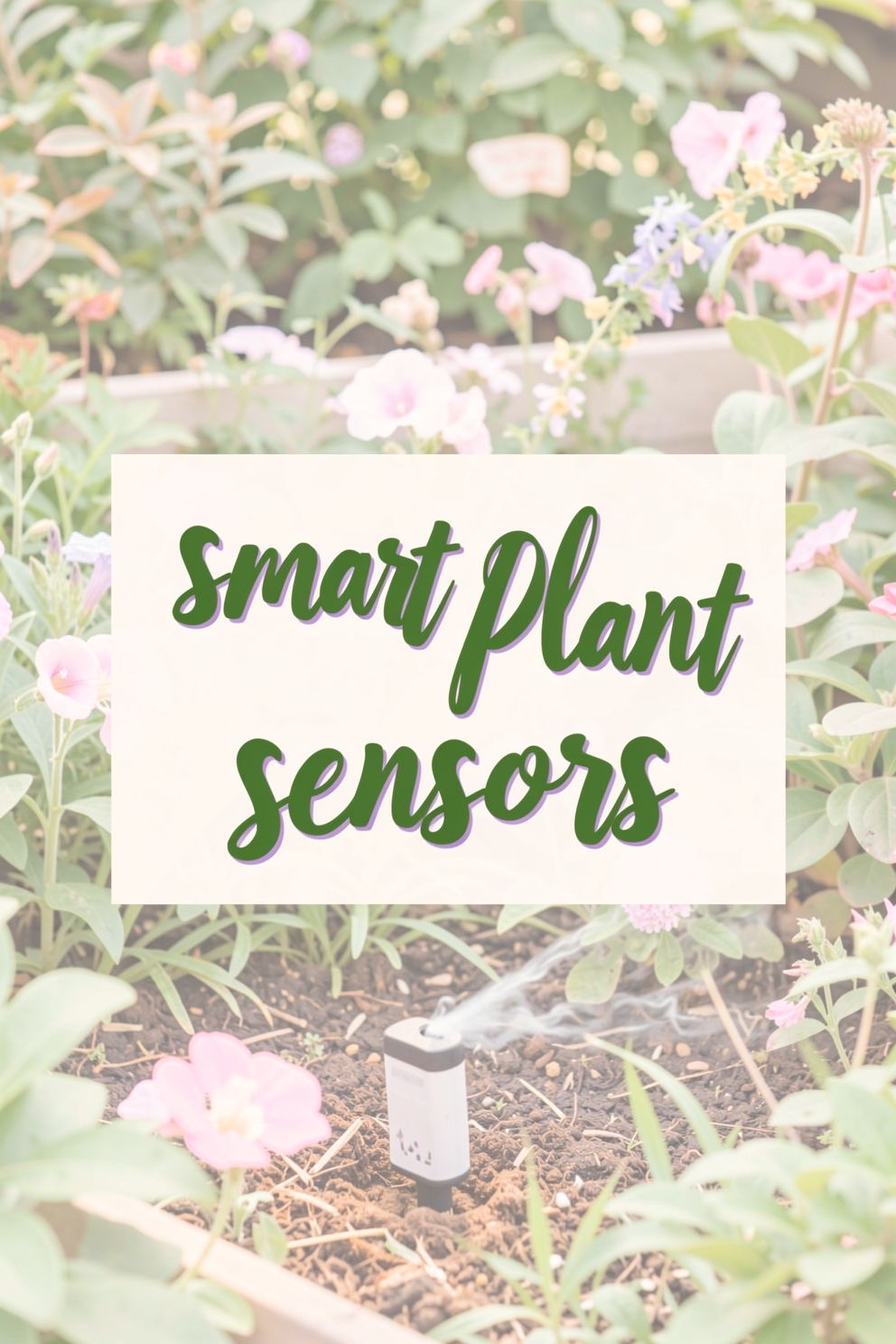
- Soil moisture probes: Insert these into each pot or a representative pot to monitor water needs in real time.
- Ambient temperature & humidity monitors: Place a compact sensor on the balcony rail to track conditions that affect plant transpiration.
- App integration: Most sensors pair with a smartphone app, sending alerts when watering or ventilation is required.
Smart Lighting
If your balcony receives limited sunlight, supplement with LED grow lights. Choose full‑spectrum panels that can be programmed for a 12‑hour light cycle, mimicking natural daylight. Many models include a dimming function, allowing you to adjust intensity based on plant growth stages.
Plant Selection for Balcony Success
Herbs and Edibles
- Basil, mint, and parsley: Thrive in warm, sunny spots and respond well to regular harvesting.
- Cherry tomatoes: Use a compact determinate variety and a sturdy cage for support.
- Lettuce and leafy greens: Prefer partial shade and consistent moisture.
Flowering Plants
- Petunias and marigolds: Add bright color and attract pollinators.
- Geraniums: Tolerate heat and are low‑maintenance.
- Lavender: Offers fragrance and a soothing aroma, but needs well‑drained soil.
Low‑Maintenance Options
For beginners, consider succulents, aloe vera, or snake plant cuttings. These species store water in their leaves and can go weeks without watering, making them ideal for a busy lifestyle.
Watering and Irrigation Tips
Set Up a Water Reservoir
A small 5‑liter water tank placed on the balcony floor can serve as a gravity‑fed source for your drip system. Connect the tank to a pump that activates when the moisture sensor signals dryness.
Watering Frequency
In general, containers lose moisture faster than ground beds. During hot summer days, expect to water every 1‑2 days, while cooler months may stretch to 4‑5 days. Use the sensor data to fine‑tune the schedule.
Prevent Over‑watering
Always allow excess water to drain completely. Stagnant water can lead to fungal diseases. If you notice water pooling in saucers, lift the pots or add a layer of gravel at the bottom to improve drainage.
Lighting and Climate Control
Optimizing Sunlight
Position taller planters on the side that receives the most sun, while placing shade‑loving herbs in the shadowed area. If your balcony is heavily shaded, consider a reflective panel or a lightweight shade cloth that can be adjusted throughout the day.
Temperature Management
Balcony temperatures can swing dramatically. On scorching days, move delicate plants to a shaded corner or use a small, portable fan to improve air circulation. In cooler months, a compact, waterproof blanket can protect roots from frost.
Common Mistakes to Avoid
Choosing the Wrong Pot Size
Plants need room for root growth. A pot that’s too small will stunt development and require more frequent watering. As a rule, select a container at least 2 inches larger in diameter than the plant’s root ball.
Ignoring Soil Quality
Using garden soil in containers can lead to compaction and poor drainage. Stick to a light, well‑aerated mix designed for pots.
Over‑reliance on Technology
Smart devices are tools, not replacements for observation. Check plants regularly for signs of stress—yellowing leaves, wilting, or pests—and adjust settings accordingly.
Neglecting Maintenance
Even with automation, you’ll need to prune dead foliage, clean sensors, and refill water reservoirs. Schedule a weekly “garden check‑in” to keep everything running smoothly.
Maintenance and Ongoing Care
Weekly Routine
- Inspect leaves for pests or disease.
- Remove spent flowers to encourage new growth.
- Clean sensor probes with a damp cloth to prevent residue buildup.
- Check water levels in the reservoir and top up as needed.
Seasonal Adjustments
As daylight hours change, adjust the timer on your grow lights and irrigation system. In winter, reduce watering frequency and consider moving heat‑sensitive plants indoors.
Fertilization
Feed your balcony garden every 4‑6 weeks with a balanced liquid fertilizer (e.g., 10‑10‑10). For organic lovers, a diluted fish emulsion or compost tea works well and won’t damage smart sensors.
Conclusion
Building a smart balcony garden is a rewarding project that blends nature with technology, making gardening accessible even for busy beginners. By measuring your space, selecting the right containers and soil, integrating moisture sensors and automated irrigation, and choosing plants suited to your light conditions, you’ll create a thriving green corner that requires minimal daily effort. Remember to avoid common pitfalls like over‑watering or using the wrong pot size, and keep up with regular maintenance to ensure long‑term success. With a little care and the help of smart tools, your balcony will become a year‑round sanctuary of fresh herbs, colorful blooms, and a satisfying sense of accomplishment.