Welcome to your step‑by‑step guide on sustainable gardening—a practical, data‑driven approach that helps you grow a thriving garden while minimizing waste and carbon footprint. By integrating eco‑friendly habits into every phase, from soil preparation to harvest, you’ll create a resilient ecosystem that rewards both the planet and your palate.
1. Plan Your Garden with Purpose
Assess Site Conditions
- Use a sunlight tracker app or a simple sun‑watch chart for a week to map out the hours of direct sun each spot receives.
- Measure soil pH with a cheap kit; aim for 6.0‑6.8 for most vegetables and herbs.
- Record wind patterns; a wind‑break (e.g., a row of native shrubs) can reduce water loss by up to 30%.
Choose Native & Low‑Input Plants
- Consult your local extension service’s “Plant Hardiness” database to select species that thrive without extra fertilizer.
- Prioritize perennials (e.g., rosemary, asparagus) that return year after year, cutting seed‑ling waste.
- Mix in nitrogen‑fixing legumes such as beans or clover to naturally enrich the soil.
2. Build Healthy Soil the Sustainable Way
Start a Compost System
- Set up a three‑bin compost (brown, green, and finished) using recycled pallets.
- Balance carbon‑rich materials (dry leaves, newspaper) with nitrogen‑rich scraps (vegetable peels, coffee grounds) at a 30:1 ratio for optimal decomposition.
- Turn the pile weekly; a moisture test (squeeze a handful—should feel like a wrung‑out sponge) ensures microbes stay active.
Amend Soil with Organic Matter
- Spread a 2‑inch layer of finished compost over planting beds and work it into the top 6 inches.
- Incorporate worm castings (1 cup per 10 sq ft) for a natural boost of micronutrients.
- Use biochar (5 % of soil volume) to improve water retention and sequester carbon.
3. Conserve Water Efficiently
Install Drip Irrigation
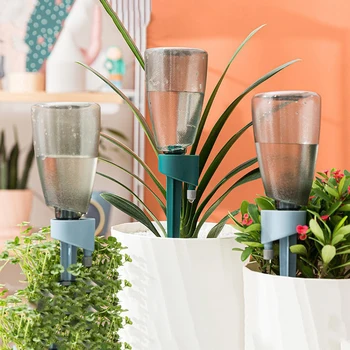
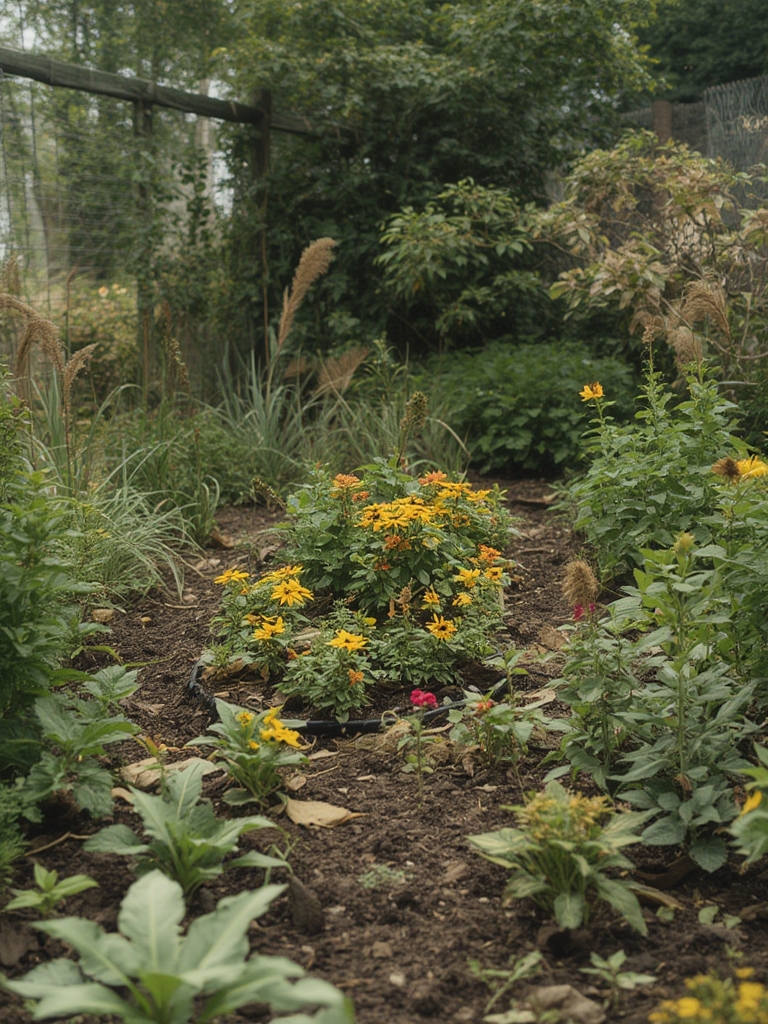
- Lay ¼‑inch drip tubing along plant rows; a pressure regulator keeps flow at 2 gph per emitter.
- Schedule watering early morning (4‑6 am) to reduce evaporation by up to 50 %.
- Connect a rain barrel with a float valve to capture runoff; a 200‑liter barrel can supply a 100‑sq‑ft garden for a week.
Mulch for Moisture Retention
- Apply 3‑4 inches of organic mulch (straw, wood chips, or shredded leaves) after planting.
- Re‑apply mulch annually to maintain a cool soil temperature and suppress weeds.
- Use a mulch calculator (available on most gardening sites) to estimate the exact volume needed, preventing over‑use.
4. Adopt Integrated Pest Management (IPM)
Monitor and Identify Pests
- Place yellow sticky traps near vulnerable crops; count captures weekly to detect population spikes.
- Use a smartphone app for rapid pest identification and recommended controls.
- Keep a garden journal noting damage patterns; data helps predict future outbreaks.
Employ Biological Controls
- Introduce beneficial insects such as ladybugs or lacewings by planting nectar‑rich flowers (e.g., yarrow, fennel).
- Apply neem oil (2 ml per liter of water) only when thresholds exceed 10 % leaf damage, reducing chemical reliance.
- Rotate crops annually to break pest life cycles; a simple spreadsheet can track rotations.
5. Harvest, Preserve, and Reduce Waste
Timing Your Harvest
- Use a digital caliper to measure fruit diameter; harvesting at optimal size maximizes flavor and reduces post‑harvest loss.
- Harvest early in the morning when temperatures are cool to preserve nutrient content.
- Rotate harvest days to avoid over‑picking a single area, allowing plants to recover.
Zero‑Waste Preservation
- Turn surplus produce into pickles, fermentations, or dried herbs—methods that extend shelf life up to 12 months.
- Store seeds in airtight jars with a silica packet; label with date and variety for future planting.
- Compost any plant trimmings that aren’t used; this closes the nutrient loop.
6. Track Your Impact and Keep Improving
Measure Resource Savings
- Log water usage from your rain barrel and drip system; compare monthly totals to previous years to quantify savings.
- Record compost volume produced; a typical backyard garden can divert 200‑300 kg of waste from landfill annually.
- Use a carbon calculator (many extensions offer free tools) to estimate emissions avoided by growing your own food.
Iterate Based on Data
- Review your garden journal each season; note which practices yielded the highest yields and lowest inputs.
- Adjust planting dates, mulch depth, or irrigation timing based on observed trends.
- Share your findings on community forums; collaborative data accelerates sustainable practices for all gardeners.
By following these data‑driven steps, you’ll not only cultivate a lush, productive garden but also champion a greener lifestyle that reduces waste, conserves water, and nurtures soil health. Happy sustainable gardening!