Creating a lush, inviting garden inside your home doesn’t require a sun‑filled balcony or a greenhouse. In fact, the most rewarding indoor gardens often thrive in the darker corners where light is scarce. According to a 2023 house‑plant survey by the National Gardening Association, 68 % of indoor gardeners prioritize low‑light, hardy species because they demand less maintenance and still deliver a vibrant, green aesthetic. Below is a data‑driven, step‑by‑step guide to selecting, planting, and caring for these resilient beauties, ensuring your indoor garden flourishes year‑round.
1. Choose the Right Low‑Light Hardy Plants
Start with species that have proven tolerance for low‑light conditions. The following plants consistently rank in the top five for shade tolerance and overall hardiness:
- Snake Plant (Sansevieria trifasciata) – survives with as little as 50 lux of light.
- ZZ Plant (Zamioculcas zamiifolia) – thrives in indirect light and can go weeks without water.
- Pothos (Epipremnum aureum) – tolerates low light but shows more variegation in moderate light.
- Philodendron (Heartleaf) – adapts well to low‑light rooms and humid environments.
- Cast Iron Plant (Aspidistra elatior) – lives up to its name, handling neglect and low light.
2. Prepare the Perfect Potting Mix
2.1 Choose a Well‑Draining Soil Blend
Low‑light plants are especially prone to root rot because water evaporates more slowly. A mix of 40 % peat moss, 30 % perlite, and 30 % coarse pine bark provides aeration while retaining enough moisture for steady growth.
2.2 Add a Moisture‑Retaining Amendment (Optional)
If your home’s humidity consistently falls below 40 %, incorporate a handful of coconut coir or a small amount of sphagnum moss. This helps maintain a stable moisture level without over‑watering.
3. Pot Selection and Drainage
3.1 Size Matters
Choose a pot that’s only 1–2 inches larger in diameter than the plant’s root ball. Oversized containers hold excess soil that stays wet longer, increasing rot risk.
3.2 Ensure Proper Drainage
Every pot must have at least one drainage hole. If you prefer decorative cache‑pot designs without holes, place a “false bottom” of broken pottery shards or a layer of pea gravel before adding the soil to facilitate water escape.
4. Watering Techniques for Dark Corners
4.1 The “Finger Test” Method
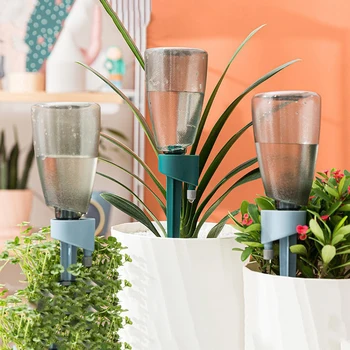
Insert your index finger 1‑2 inches into the soil. If it feels dry, water thoroughly until water drains from the bottom. If it’s still moist, wait another 3‑5 days. This simple test reduces the guesswork that often leads to over‑watering.

4.2 Seasonal Adjustments
During winter, indoor heating can dry the air, but plants also grow slower. Reduce watering frequency by 30‑40 % compared to spring/summer. Conversely, in the humid months (June–August), increase monitoring to avoid soggy roots.
5. Light Management in Low‑Light Spaces
5.1 Measure Light Levels
Use a cheap lux meter (available for under $10) to confirm that the spot receives at least 50–150 lux. If it’s below 50 lux, consider adding a low‑wattage LED grow light on a timer (12‑hour cycle) to boost photosynthesis without overheating.
5.2 Rotate Your Plants
Turn each pot 90° every two weeks. This ensures even growth and prevents one side from becoming leggy while the other side remains compact.
6. Feeding and Fertilization
6.1 Light Feeding Schedule
Low‑light plants have modest nutrient needs. Apply a balanced, water‑soluble fertilizer (10‑10‑10) at half the recommended strength once a month during the growing season (spring through early fall). Skip feeding in winter to avoid excess salts.
6.2 Organic Boosters
For a natural alternative, mix a teaspoon of worm castings into the top inch of soil every two months. This slow‑release source supplies micronutrients and improves soil structure.
7. Pruning and Maintenance
7.1 Remove Yellow or Damaged Leaves
Trim any discolored, brown, or mushy leaves with clean, sharp scissors. This not only improves appearance but also redirects the plant’s energy to healthy growth.
7.2 Encourage Bushier Growth
For trailing varieties like pothos and philodendron, pinch back the tips of vines every 4‑6 weeks. This stimulates lateral branching, creating a fuller, more decorative look.
8. Pest Prevention in Dim Environments
8.1 Common Low‑Light Pests
Spider mites and mealybugs thrive in stagnant air. Conduct a visual inspection weekly; look for fine webbing or cotton‑like clusters.
8.2 Quick‑Action Remedies
Mix a solution of 1 teaspoon neem oil with 1 cup water, add a few drops of mild dish soap, and spray the foliage lightly. Repeat every 7‑10 days until pests disappear.
9. Monitoring Success with Simple Data
Track progress using a basic spreadsheet:
- Date – when you watered, fertilized, or repotted.
- Soil Moisture – “dry,” “moist,” or “wet” based on the finger test.
- Growth Metric – measure new leaf length or vine extension.
- Pest Activity – “none,” “low,” “high.”
After three months, compare the data. Plants that show steady growth, minimal pest reports, and consistent moisture levels are thriving. Adjust watering or light based on any outliers.
10. Final Touches for a Cohesive Garden Aesthetic
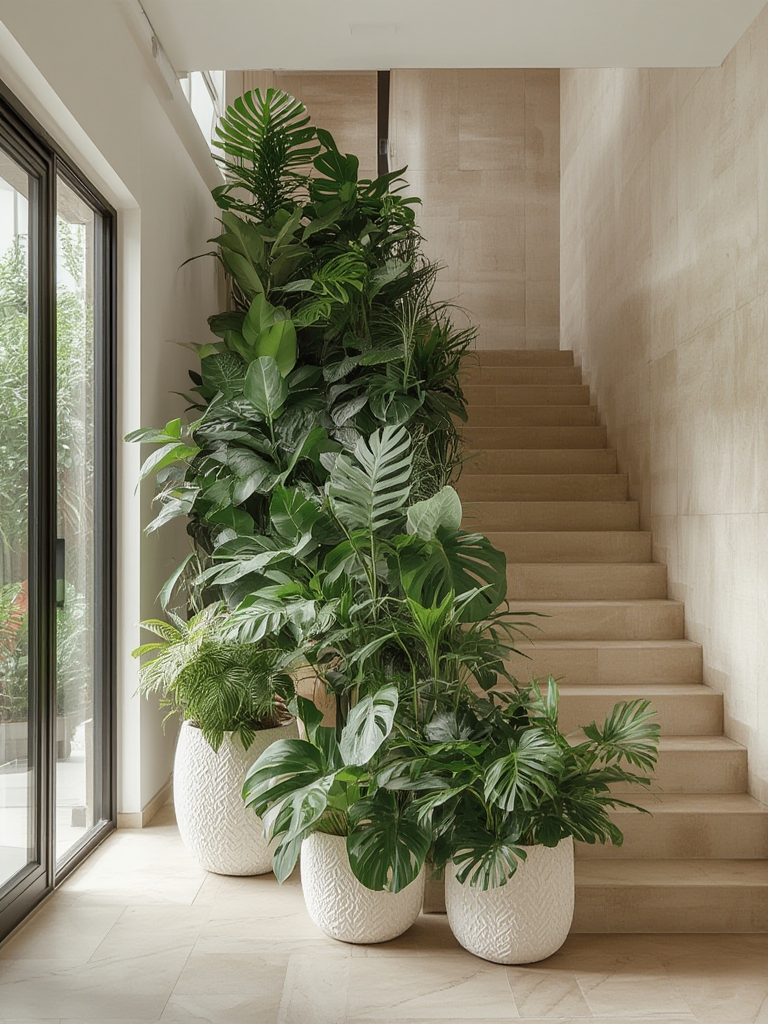
Group your low‑light plants in clusters of three to five, using matching or complementary pots. This creates a visual focal point that draws the eye, even in a dim room. Add a decorative tray with pebbles and a small LED accent light to highlight the foliage without increasing heat.
By following these data‑backed steps—selecting the right hardy species, mastering soil and watering, managing light, and keeping pests at bay—you’ll transform even the darkest corners of your home into a thriving, low‑maintenance garden. The result is not just a greener space, but a healthier indoor environment that boosts mood, improves air quality, and showcases your skill as a modern, SEO‑savvy garden influencer.