Creating a thriving herbs and aromatic garden not only elevates the flavor of your kitchen creations but also transforms your outdoor space into a fragrant, visually appealing retreat. By combining data‑driven planting strategies with thoughtful design, you can enjoy year‑round harvests, attract beneficial pollinators, and boost your home’s curb appeal. Below is a step‑by‑step guide that blends horticultural science with sleek, modern landscaping to help you build a low‑maintenance, high‑impact garden.
1. Site Selection & Soil Preparation
Assess Sunlight and Microclimate
- Use a handheld light meter or a smartphone app to measure daily sunlight exposure. Most culinary herbs (basil, thyme, rosemary, mint) require 6–8 hours of direct sun. Shade‑tolerant aromatics like lemon balm thrive with 3–5 hours.
- Map wind patterns using a simple “smoke test” (light a match and observe drift). Strong winds can stress tender herbs; consider a windbreak (trellis, low fence) if wind speed exceeds 15 mph.
Soil Testing & Amendments
- Collect a soil sample from 6–8 inches deep and send it to a local extension service. Aim for a pH of 6.0–7.0 for most herbs.
- Based on the test, amend the soil:
- Low pH (<6.0): Add lime at 5 lb per 100 sq ft.
- High pH (>7.0): Incorporate elemental sulfur at 3 lb per 100 sq ft.
- Improve drainage by mixing in 2 inches of coarse sand or perlite.
- Blend in 2–3 inches of high‑quality compost to increase organic matter and water retention.
2. Choosing the Right Herbs & Layout Planning
Data‑Driven Herb Selection
- Consult regional USDA hardiness zone maps. For zones 5–9, rosemary, sage, and oregano are reliable perennials; in warmer zones (10–11), consider tropical aromatics like lemongrass.
- Use Google Trends or Ahrefs to identify high‑search-volume herbs (e.g., basil, mint, cilantro). Prioritizing popular herbs can boost your blog’s SEO relevance when you share garden updates.
Designing a Sleek, Modern Garden
- Adopt a geometric grid layout (e.g., 2‑ft squares) to create clean lines that photograph well for social media.
- Incorporate raised planters made from reclaimed wood or corten steel for a contemporary look while improving soil control.
- Use a monochrome color palette for containers (black, white, charcoal) and add a pop of green with the herbs themselves.
3. Planting Techniques & Spacing
Seed vs. Transplant
- Start fast‑growing annuals (basil, cilantro) from seed indoors 4–6 weeks before the last frost. Sow ¼‑inch deep, keep soil moist, and thin seedlings to 6‑inch spacing.
- Purchase healthy transplants for perennials (rosemary, thyme). Gently loosen the root ball, place in a pre‑dug hole twice as wide as the root system, and backfill with amended soil.
Optimal Spacing for Airflow
- Maintain 6‑12 inches between herb plants to promote air circulation and reduce fungal risk.
- For larger shrubs like rosemary, allow 24–30 inches to accommodate mature spread.
- Use a simple ruler or measuring tape; consistent spacing also enhances the garden’s visual symmetry.
4. Watering, Feeding & Maintenance
Smart Irrigation
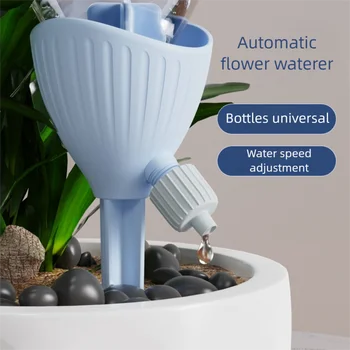
- Install a drip‑line system with a flow rate of 0.5 gph per emitter. Set timers for early morning watering 2–3 times per week, adjusting based on rainfall (use a rain gauge).
- Apply the “finger test”: insert a finger 2 inches into the soil; if it feels dry, water for 5–10 minutes per zone.
Fertilization Schedule
- Use a balanced, organic fertilizer (10‑10‑10) at ¼ cup per 10 sq ft once a month during the growing season.
- Supplement with a liquid seaweed extract every 2 weeks to boost aromatic oil production, especially for mint and lavender.
Pruning & Harvesting
- Pinch back basil leaves when plants reach 6 inches tall to encourage bushier growth; repeat every 2–3 weeks.
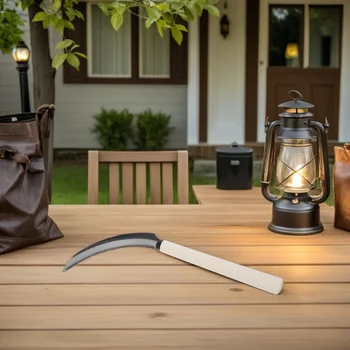
- Harvest rosemary and thyme by snipping 2‑inch stems just above a leaf node; this stimulates new growth and maintains a tidy shape.
- For mint, contain its aggressive spread by cutting back ¼ of the plant weekly and dividing the clump annually in early spring.
5. Enhancing Aesthetic Appeal & Functionality
Integrating Hardscape Elements
- Place a gravel pathway (2‑inch depth) between planting beds to define walkways and improve drainage.
- Install low‑profile LED strip lighting along the edges of raised beds for evening ambiance and safety.
- Incorporate a small water feature (e.g., a stainless‑steel fountain) to create soothing sounds that attract pollinators.
Seasonal Accents
- Use interchangeable fabric pots in seasonal colors (spring pastels, autumn earth tones) to refresh the garden’s look without replanting.
- Add decorative mulch (colored bark chips) to contrast the green foliage and suppress weeds.
- Place a few potted succulents or ornamental grasses at the perimeter for texture and year‑round interest.
6. Monitoring Success & Adjusting Strategies
Data Tracking
- Keep a simple garden journal (paper or digital) noting planting dates, watering frequency, and harvest yields. Over time, you’ll identify patterns such as optimal watering intervals for each herb.
- Use a free spreadsheet to log growth metrics (height, leaf count) and correlate them with weather data from a nearby weather station.
Pest Management
- Implement Integrated Pest Management (IPM): start with cultural controls (proper spacing, clean leaves) before resorting to organic sprays.
- Introduce beneficial insects like ladybugs and lacewings by planting companion flowers (marigold, alyssum) around the herb beds.
- If aphids appear, spray a neem oil solution (1 tsp per quart of water) early in the morning to minimize leaf burn.
By following these data‑backed steps and design principles, you’ll create a sleek, aromatic garden that delivers fresh flavors, visual elegance, and a calming outdoor sanctuary. Remember, consistency in care and a willingness to adjust based on real‑world observations are the keys to long‑term success. Happy planting!