Indoor plants have become a staple in modern homes, not just for their aesthetic appeal but also for the measurable health benefits they bring. According to a 2023 survey by the National Gardening Association, 68% of U.S. households own at least one houseplant, and the average spend on indoor greenery rose by 22% compared to the previous year. Below, we break down the most beloved houseplants of the year, why they’re repeat purchases, and step‑by‑step care routines that turn any beginner into a confident plant parent.
Why These Houseplants Keep Flying Off the Shelves
Three key factors drive repeat purchases:
- Low‑maintenance reputation: Plants like the ZZ Zebra (Zamioculcas zamiifolia) and Snake Plant (Sansevieria) thrive on neglect, making them perfect for busy lifestyles.
- Air‑purifying power: NASA’s Clean Air Study highlighted the Peace Lily (Spathiphyllum) and Spider Plant (Chlorophytum comosum) as top performers in removing VOCs, a selling point for health‑conscious consumers.
- Styling versatility: From hanging macramé pots to sleek ceramic planters, these species adapt to any décor trend, encouraging repeat buys as homeowners refresh their interiors.
Top 5 Trending Indoor Plants of 2024
1. Monstera Deliciosa (Swiss Cheese Plant)
Sales increased 15% YoY, thanks to its iconic split leaves that add drama to any room. Ideal for bright, indirect light.
2. Pilea Peperomioides (Chinese Money Plant)
Its round, coin‑shaped leaves make it a favorite for minimalist aesthetics. Thrives in moderate light and prefers a slightly drier soil.
3. Philodendron ‘Pink Princess’
Striking pink variegation drives collector interest. Requires bright, filtered light to maintain color intensity.
4. Fiddle Leaf Fig (Ficus lyrata)
Despite being a bit finicky, its tall, sculptural form remains a design centerpiece. Needs consistent moisture and high humidity.
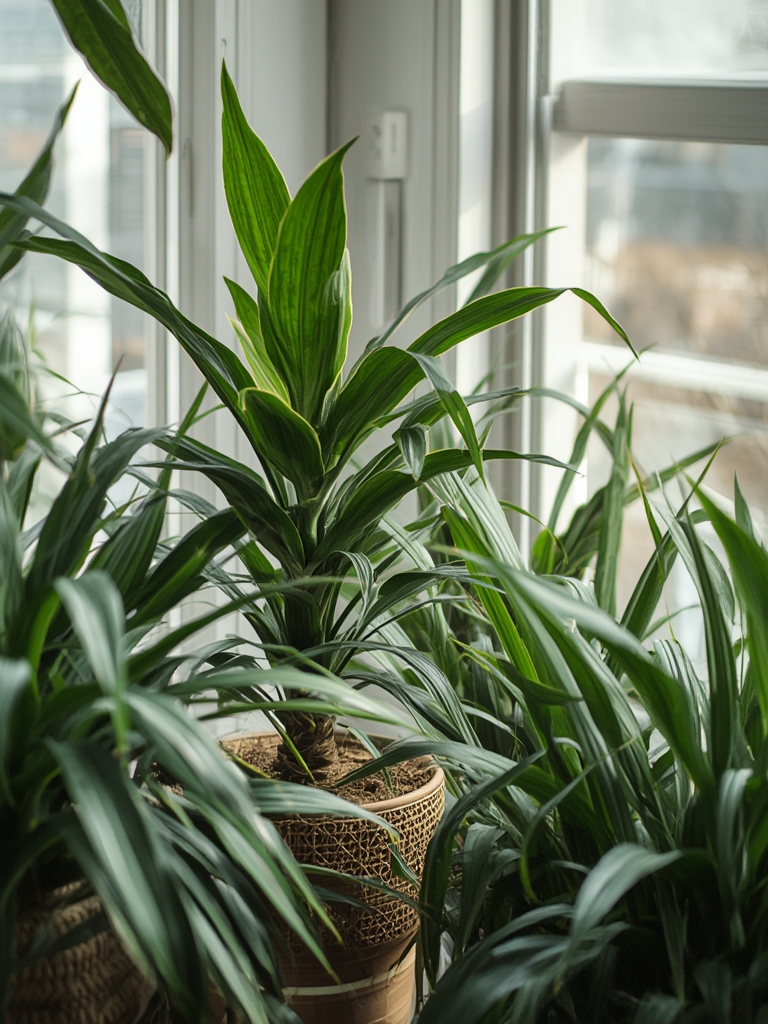
5. ZZ Plant (Zamioculcas zamiifolia)
Hardy, drought‑tolerant, and virtually indestructible—perfect for office desks and low‑light apartments.
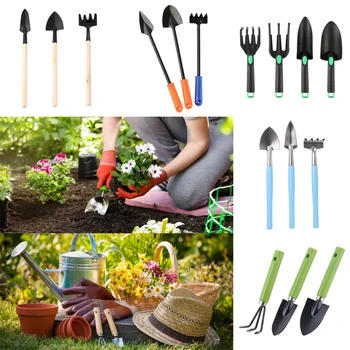
Step‑by‑Step Care Guide for Indoor Plants
Step 1: Choose the Right Light
Light is the single most critical factor. Use a simple light meter app on your phone to measure foot‑candles:
- Low light (100–250 fc): ZZ Plant, Snake Plant, Pothos.
- Medium light (250–500 fc): Pilea, Philodendron, Spider Plant.
- Bright indirect (500–1000 fc): Monstera, Fiddle Leaf Fig, Peace Lily.
Action tip: Rotate your pot 90° every two weeks to ensure even growth.
Step 2: Master Watering Techniques
Over‑watering is the #1 cause of indoor plant death. Follow the “finger test”:
- Insert your index finger 1‑2 cm into the soil.
- If it feels dry, water thoroughly until water drains from the bottom.
- If it feels moist, hold off for another 3‑5 days.
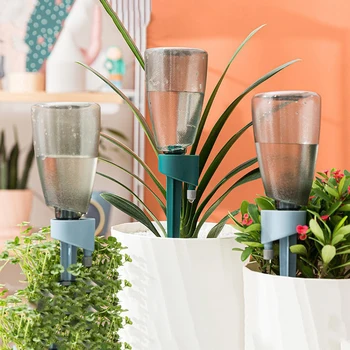
For succulents and ZZ Plants, extend the interval to 10‑14 days. Use a self‑watering pot for consistency.
Step 3: Soil & Repotting
Most indoor plants thrive in a well‑draining mix. A simple recipe:
- 2 parts peat or coco coir
- 1 part perlite or pumice
- 1 part composted bark (for larger foliage plants)
When to repot: Look for roots circling the pot or soil that dries out too quickly—usually every 12‑18 months. Choose a pot that’s 1‑2 inches larger than the current one and add a drainage layer of small stones.
Step 4: Feeding & Fertilizing
During the active growing season (spring–early fall), feed every 4‑6 weeks:
- Balanced 20‑20‑20 liquid fertilizer diluted to half strength for foliage plants.
- Low‑nitrogen 10‑30‑20 for flowering indoor plants like Anthurium.
Skip feeding in winter when growth naturally slows.
Step 5: Humidity & Airflow
Many tropical favorites (Monstera, Fiddle Leaf Fig) love 50‑70% humidity. Boost humidity without a humidifier:
- Place a shallow tray of pebbles and water beneath the pot.
- Group plants together to create a micro‑climate.
- Mist lightly in the morning—avoid evening mist to prevent fungal issues.
Ensure gentle airflow (a ceiling fan on low) to discourage mold while mimicking their natural environment.
Styling Ideas to Showcase Your Greenery
Statement Plant Corners
Place a tall Fiddle Leaf Fig or Monstera in an empty corner. Pair with a woven floor rug and a tall floor lamp to create a gallery‑like focal point.
Floating Shelves & Wall Gardens
Install 2‑inch floating shelves at eye level. Mix trailing plants (Spider Plant, String of Pearls) with upright varieties (Pilea, ZZ) for visual contrast. Use matching white or matte black brackets for a modern look.
Macramé Hangers for Small Spaces
Hang a Pothos or String of Hearts in a macramé holder near a window. This adds vertical interest and frees up floor space—perfect for studio apartments.
Terrarium Tablescapes
Combine low‑light succulents (Echeveria) with tiny ferns in a glass terrarium. Add decorative stones and a small LED grow light for a low‑maintenance centerpiece.
Quick‑Fix Troubleshooting Cheat Sheet
| Problem | Possible Cause | Fast Fix |
|---|---|---|
| Yellowing leaves | Over‑watering or nutrient deficiency | Let soil dry 1‑2 weeks, then feed with balanced fertilizer |
| Brown leaf tips | Low humidity or salt buildup | Increase humidity, flush soil with distilled water |
| Leggy stems | Insufficient light | Move plant 2‑3 feet closer to a bright window or add a grow light |
| Wilting overnight | Root rot or sudden temperature drop | Check drainage, repot in fresh mix, keep away from drafts |
Final Thought: Turn Your Home Into a Living Sanctuary
By selecting the right trending houseplants, mastering a simple watering routine, and styling them thoughtfully, you’ll not only boost your home’s visual appeal but also enjoy cleaner air and reduced stress. Start small—pick one of the low‑maintenance champions, follow the steps above, and watch confidence grow alongside your foliage. Happy planting! 🌱🏡💚