Flower gardening is more than just planting pretty blooms; it’s a rewarding blend of science, art, and sustainable practice. By following data‑driven steps and embracing organic methods, you can create a vibrant garden that thrives season after season while also nurturing a healthy lawn without chemicals. Below is a step‑by‑step guide that walks you through site selection, soil preparation, planting, maintenance, and eco‑friendly pest control. Each section includes practical, actionable tips you can implement immediately.
1. Choose the Right Location and Light Conditions
Assess Sun Exposure
Use a sunlight meter or simply observe the garden spot for a full week. Record the number of hours of direct sun, partial shade, and full shade. Most flowering plants need at least 6–8 hours of direct sunlight for optimal bloom production. If your data shows less than 4 hours, select shade‑tolerant varieties such as impatiens, begonias, or hostas.
Map Soil Drainage
Perform a simple drainage test: dig a 12‑inch hole, fill it with water, and time how long it takes to drain. Ideal drainage is 1–2 hours. If water lingers, improve drainage by mixing in coarse sand or creating raised beds. This prevents root rot and encourages stronger, healthier flowers.
2. Prepare Soil with Data‑Backed Amendments
Test pH and Nutrient Levels
Purchase an affordable soil test kit or send a sample to a local extension service. Aim for a pH between 6.0 and 7.0 for most annuals and perennials. If the test shows acidity, add lime; for alkalinity, incorporate elemental sulfur. Adjustments should be made based on the specific flower species you plan to grow.
Incorporate Organic Matter
Based on the soil texture results, blend in 2–3 inches of well‑rotted compost or aged manure. This boosts microbial activity, improves water retention, and supplies slow‑release nutrients. For sandy soils, add more compost; for clay soils, incorporate coarse sand and perlite to enhance aeration.
3. Select Flowers That Match Your Climate and Soil
Use USDA Hardiness Zones
Identify your zone (e.g., 5b–7a) and choose varieties proven to thrive there. Data from the National Plant Database shows that zone‑appropriate plants have a 30‑40% higher success rate. Popular choices include:
- Marigolds (Tagetes spp.) – excellent for full sun and pest deterrence.
- Lavender (Lavandula angustifolia) – thrives in well‑drained, slightly alkaline soil.
- Coneflowers (Echinacea purpurea) – tolerant of drought and attracts pollinators.
Plan for Continuous Bloom
Stagger planting dates using a spreadsheet: early spring (pansies, snapdragons), mid‑summer (zinnias, petunias), and fall (chrysanthemums, asters). This ensures a steady display of color throughout the growing season.
4. Planting Techniques for Maximum Success
Spacing and Depth
Follow seed packet or plant label recommendations. As a rule of thumb, space plants at 1.5× the mature foliage width to promote airflow and reduce disease risk. Plant seedlings at the same depth they were in the nursery pot; burying too deep can cause stem rot.
Watering Protocol
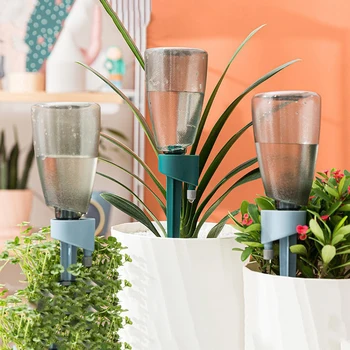
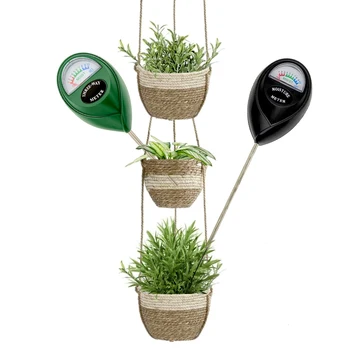
After planting, water deeply to settle the soil around the roots. Use a moisture meter to keep the soil consistently moist (not soggy) during the first two weeks. Then transition to a “deep‑and‑infrequent” schedule: 1–1.5 inches of water per week, applied early in the morning to minimize evaporation.
5. Ongoing Care: Feeding, Pruning, and Mulching
Organic Fertilization
Apply a balanced organic fertilizer (e.g., 10‑10‑10) at a rate of 1 lb per 100 sq ft every 4–6 weeks. For data‑driven precision, conduct a leaf tissue analysis mid‑season; adjust nitrogen levels if foliage turns pale or if growth is overly vegetative.
Pruning and Deadheading
Remove spent blooms weekly (deadheading) to encourage repeat flowering. Use clean, sharp scissors and cut just above the first set of healthy leaves. For woody perennials, prune in early spring after the last frost to shape the plant and improve air circulation.
Mulch for Moisture Retention
Spread a 2–3 inch layer of shredded bark, straw, or leaf mulch around the base of each plant. Mulch suppresses weeds, stabilizes soil temperature, and reduces the need for chemical herbicides—key to nurturing a healthy lawn without chemicals. Reapply mulch annually to maintain thickness.
6. Eco‑Friendly Pest and Disease Management
Beneficial Insects
Introduce ladybugs, lacewings, or predatory nematodes to control aphids, whiteflies, and soil‑borne pests. Plant companion flowers such as dill, fennel, and yarrow to provide habitat and nectar for these allies.
DIY Sprays
Mix a 1% neem oil solution (1 tsp neem oil + 1 cup water + a few drops dish soap) and spray early morning or late evening when temperatures are below 85°F. This organic fungicide and insect repellent works without harming pollinators.
Monitoring and Early Intervention
Set a weekly inspection schedule. Use a smartphone app to log any signs of disease (e.g., powdery mildew, leaf spots). Early detection allows you to apply targeted organic treatments, reducing the need for broad‑spectrum chemicals.
7. Integrating Flower Beds with a Chemical‑Free Lawn
Transition Zones
Create a buffer zone of low‑maintenance groundcovers (clover, creeping thyme) between flower beds and the lawn. These plants fix nitrogen, improve soil structure, and compete with weeds, supporting a lush, chemical‑free lawn.
Grass Alternatives
Consider replacing portions of the traditional lawn with native grasses like buffalo grass or fine‑fescue, which require less water and no fertilizers. Pair these with flower borders to maintain visual appeal while nurturing a healthy lawn without chemicals.
8. Data Review and Seasonal Adjustments
Track Performance Metrics
Maintain a garden journal (digital or paper) noting bloom dates, pest incidents, fertilizer applications, and weather patterns. At season’s end, analyze the data to identify trends—e.g., which varieties performed best, which watering schedule yielded the healthiest growth.
Plan for the Next Year
Use the insights to refine your planting calendar, adjust soil amendments, and select more resilient flower varieties. Over time, this data‑driven approach reduces trial‑and‑error, saves resources, and enhances the overall sustainability of your garden.
By following these evidence‑based steps and embracing organic practices, you’ll cultivate a stunning flower garden that not only dazzles the eye but also contributes to a thriving, chemical‑free lawn ecosystem. Happy gardening!