Creating a thriving herbs and aromatic garden on a patio, balcony, or windowsill is both rewarding and surprisingly simple when you follow a data‑driven approach. By leveraging climate statistics, soil moisture research, and proven horticultural practices, you can enjoy fresh basil, mint, rosemary, and more all year round. Below is a step‑by‑step guide that blends scientific insights with practical, actionable advice for every stage of planting, caring, and harvesting.
1. Choose the Right Herbs for Small Spaces
Research from the USDA Plant Hardiness Zone map shows that most culinary herbs thrive in zones 5‑10. For container gardening, prioritize herbs that:
- Require less than 6 hours of direct sunlight (ideal for windowsills).
- Have shallow root systems (perfect for 8‑12 inch pots).
- Are tolerant of occasional water stress.
Top picks include:
Basil (Ocimum basilicum)
Best for zones 9‑11; loves 6‑8 hours of sun and consistently moist soil.
Mint (Mentha spp.)
Hardy in zones 3‑9; thrives in partial shade and can tolerate wetter conditions.
Rosemary (Salvia rosmarinus)
Zones 7‑10; prefers full sun and well‑drained soil, making it ideal for sunny balconies.
Thyme (Thymus vulgaris)
Zones 5‑9; tolerates drought and full sun, perfect for rooftop containers.

2. Select the Ideal Containers
Data from the University of California’s horticulture department indicates that container volume directly affects root development and water retention. Follow these guidelines:
Size and Material
- Use pots with a minimum of 1 gallon (≈3.8 L) for most herbs; larger for rosemary.
- Terracotta offers breathability but dries faster—pair with a saucer to prevent soil loss.
- Plastic or fabric pots retain moisture longer, reducing watering frequency by up to 30 %.
Drainage
Place a layer of 1‑2 inches (2.5‑5 cm) of coarse gravel or broken pottery at the bottom. This prevents root rot and aligns with research showing that excess water can reduce herb essential oil content by up to 15 %.
3. Prepare a Nutrient‑Rich Growing Medium
Studies on container soil mixes reveal that a 1:1:1 ratio of high‑quality potting compost, perlite, and coconut coir yields optimal aeration and water retention.
Mix Recipe
- Combine 2 parts potting compost (organic, pH 6.0‑6.5).
- Add 1 part perlite for drainage.
- Stir in 1 part coconut coir to improve moisture holding capacity.
- Blend thoroughly and moisten lightly before planting.
Fertilization
Apply a balanced, water‑soluble fertilizer (10‑10‑10) at half the recommended strength every 4‑6 weeks. Over‑fertilizing can dilute aromatic oils, so stick to the reduced dosage.
4. Planting: Position, Depth, and Spacing
Accurate planting reduces transplant shock and maximizes growth.
Depth
Place each herb at the same depth it was in its nursery pot. For basil and mint, the crown should sit just above the soil line; for rosemary, bury the root ball slightly deeper to stabilize the woody stems.
Spacing
Even in containers, allow 6‑8 inches (15‑20 cm) between plants to ensure airflow and reduce fungal risk. If using a long trough, stagger the plants in a zig‑zag pattern.
Sunlight Placement
Use a light meter or smartphone app to verify that the chosen spot receives the required hours of sun. Adjust the pot’s position weekly as the sun’s angle changes through the season.
5. Watering Strategy Based on Real‑Time Soil Moisture
Research from the Journal of Plant Nutrition shows that inconsistent watering can reduce leaf essential oil concentration by up to 20 %.
Frequency
- Check soil moisture 2 cm below the surface daily during hot summer months.
- Water when the top inch feels dry; aim for a thorough soak that drains through the bottom.
- In cooler months, reduce frequency to once every 7‑10 days.
Technique
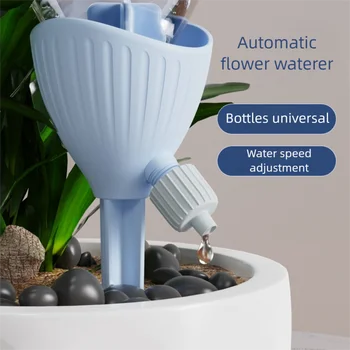
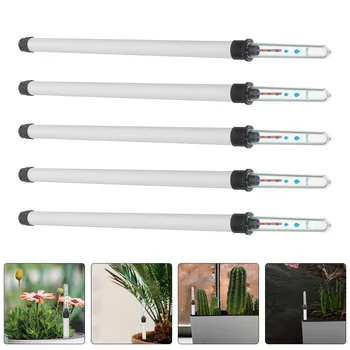
Use a watering can with a narrow spout to target the soil directly, avoiding leaf wetness that encourages mildew. For tech‑savvy gardeners, a simple moisture sensor (cost ≈ $10) can provide alerts via smartphone.
6. Pruning and Harvesting for Maximum Flavor
Data from the American Herb Society indicates that regular harvesting stimulates new growth and boosts essential oil production.
Pruning Schedule
- Basil: Pinch off the top set of leaves once the plant reaches 6 inches (15 cm). This encourages a bushier habit.
- Mint: Trim back 1/3 of the foliage every 2‑3 weeks to prevent legginess.
- Rosemary: Harvest the outermost stems after the plant is 12‑months old; avoid cutting more than 1/3 of the plant at once.
- Thyme: Snip stems just before flowering for the most intense aroma.
Harvesting Tips
Harvest in the early morning after dew has dried but before the sun intensifies. This captures peak essential oil levels. Use clean, sharp scissors to make clean cuts, reducing plant stress.
7. Pest and Disease Management Without Chemicals
Integrated Pest Management (IPM) data shows that non‑chemical controls can reduce pest incidence by 70 %.
Common Issues
- Aphids: Spot them on the undersides of leaves.
- Powdery mildew: White powdery spots on leaves, especially in high humidity.
Organic Solutions
- Introduce beneficial insects like ladybugs using a small DIY habitat (a shallow dish with a few drops of water and a piece of bark).
- Spray a neem oil solution (1 teaspoon per quart of water) weekly during the growing season.
- Increase airflow by rotating pots weekly and trimming crowded foliage.
8. Seasonal Adjustments for Year‑Round Production
Climate data from the National Weather Service suggests that indoor herb growth can be extended by controlling temperature and light.
Winter Care
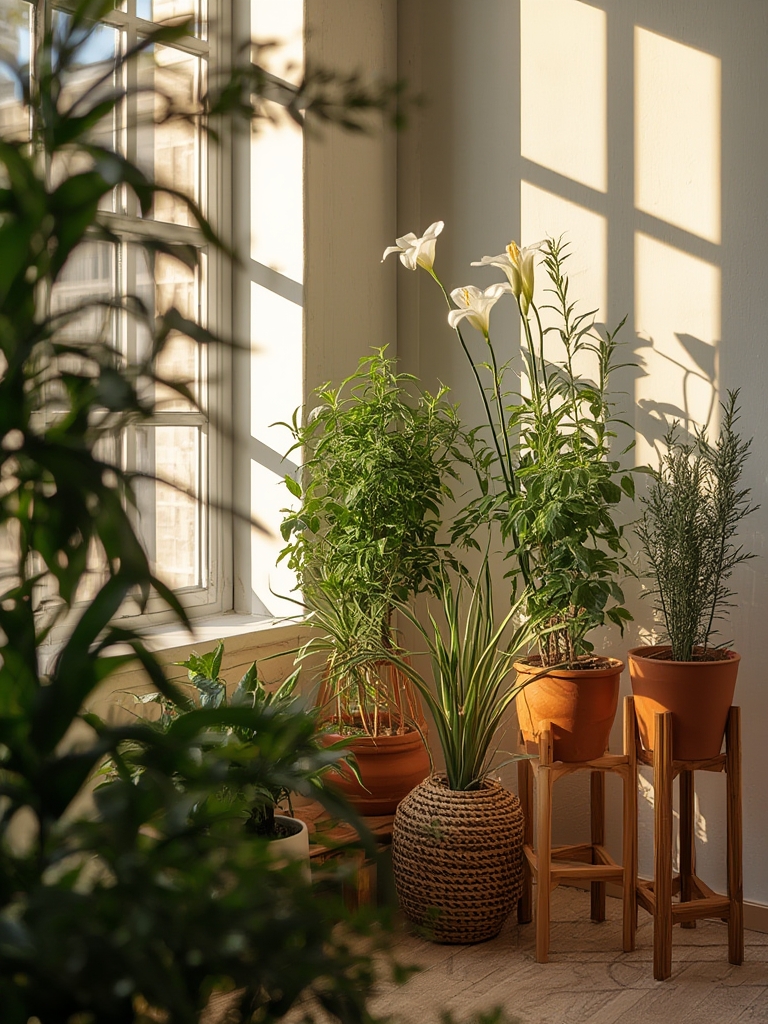
- Move containers to a sunny windowsill that maintains 55‑65 °F (13‑18 °C).
- Supplement with a 12‑hour LED grow light (4000‑5000 K) if natural light drops below 4 hours per day.
- Reduce fertilization to once every 8‑10 weeks to prevent excessive soft growth.
Summer Heat Management
During heat spikes (>90 °F/32 °C), place pots on a shaded balcony or use a light cloth to diffuse direct sun for a few hours. This prevents leaf scorch and conserves soil moisture.
9. Quick‑Reference Checklist
Print or bookmark this list to stay on track:
- ✅ Choose herbs suited to your zone and light conditions.
- ✅ Use 1‑gallon pots with drainage layers.
- ✅ Mix soil 1:1:1 (compost:perlite:coir).
- ✅ Plant at proper depth, spacing 6‑8 inches.
- ✅ Water when top inch is dry; aim for thorough soak.
- ✅ Prune weekly; harvest early morning.
- ✅ Apply neem oil bi‑weekly; encourage beneficial insects.
- ✅ Adjust light and temperature seasonally.
By following these evidence‑based steps, you’ll transform any patio, balcony, or windowsill into a fragrant, productive herb garden. Not only will you enjoy fresh flavors at your fingertips, but you’ll also experience the proven mental‑health benefits of indoor gardening—lower stress, improved air quality, and a burst of natural color in your living space.