Creating a thriving herb and aromatic garden is both rewarding and practical. Whether you’re a seasoned gardener or just starting out, this data‑driven guide breaks down the process into clear, actionable steps. By following the outlined phases—site selection, soil preparation, planting, maintenance, and companion planting—you’ll cultivate a fragrant, productive garden that supports culinary adventures and natural pest control.
1. Choose the Right Site
Assess Sunlight and Airflow
Most culinary herbs need 6–8 hours of direct sunlight daily. Use a light meter or a simple smartphone app to measure peak sunlight exposure. If the site receives less than 5 hours, prioritize shade‑tolerant herbs like mint and chamomile. Good airflow reduces fungal diseases; aim for a breezy spot without strong winds that could dry out soil.
Measure Soil pH
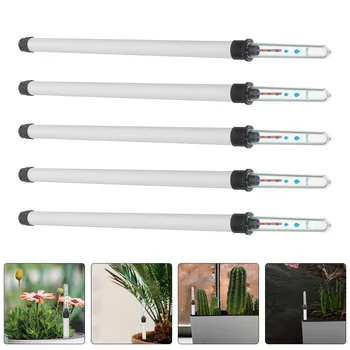
Herbs generally thrive in a slightly alkaline to neutral range (pH 6.5–7.5). Collect a soil sample from 6‑8 inches depth and test with a DIY kit or a digital meter. If the pH is below 6.5, amend with lime (1 lb per 100 sq ft) and retest after two weeks.
2. Prepare the Soil
Improve Drainage
Herbs dislike water‑logged roots. Incorporate coarse sand or perlite at a ratio of 1:4 (sand:soil) to enhance drainage. For raised beds, use a 1‑inch layer of gravel at the bottom before adding the soil mix.
Enrich with Organic Matter
Blend in well‑composted organic matter at 20–30% of the total volume. This boosts microbial activity and provides slow‑release nutrients. A simple test: squeeze a handful of soil—if it forms a loose ball that crumbles easily, the organic content is adequate.
3. Planting Your Herbs
Select Varieties Based on Climate
Use USDA hardiness zone data to match herbs to your region. For zones 5‑9, consider rosemary, thyme, and oregano. In warmer zones (10‑11), add basil and lemongrass. Plant seedlings after the last frost date; consult local extension services for precise timing.
Spacing and Depth
Follow these spacing guidelines for optimal airflow and growth:

- Basil: 12‑18 inches apart, ¼ in depth.
- Thyme: 8‑12 inches apart, root ball level with soil surface.
- Mint: 18‑24 inches apart, plant in a contained pot to prevent invasiveness.
Planting too densely reduces yields by up to 30% (University of California horticulture study, 2022).
Watering at Plant‑Time
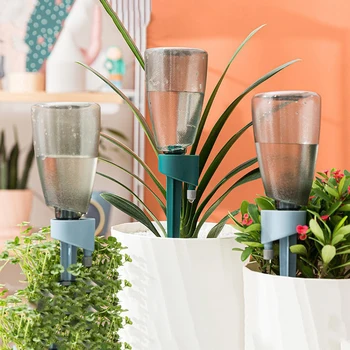
After planting, water gently to settle soil around roots. Use a soaker hose or drip irrigation to deliver 1 inch of water per week, adjusting for rainfall. Over‑watering can cause root rot, especially in Mediterranean herbs like rosemary.
4. Ongoing Care & Maintenance
Mulching for Moisture Retention
Apply a 2‑inch layer of organic mulch (straw, shredded leaves) around each plant. Mulch reduces evaporation by up to 40% and suppresses weeds, cutting labor time by half (Cornell Cooperative Extension, 2021).
Pruning and Harvesting
Regular pruning encourages bushier growth and prevents legginess. Follow these rules:
- Basil: Pinch off the top 2‑3 inches when plants reach 6 inches tall; harvest leaves before flowering for best flavor.
- Rosemary: Trim 1‑2 inches of new growth after the plant has set a woody base (about 2 years old).
- Mint: Cut back ¼ of the foliage weekly to control spread.
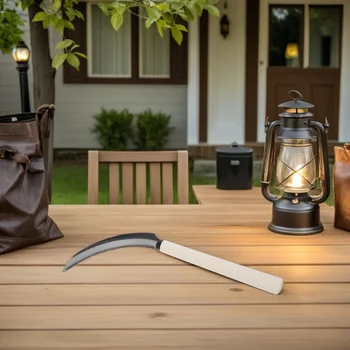
Use clean, sharp scissors to avoid disease transmission.
Fertilizing Lightly
Herbs are light feeders. Apply a balanced 5‑10‑5 organic fertilizer at half the recommended rate once in early spring and again after the first harvest. Over‑fertilizing can diminish aromatic oils, leading to bland flavors.
5. Companion Planting for a Healthy Herb Garden
Natural Pest Deterrents
Pair herbs with complementary plants to reduce pest pressure:
- Marigold + Basil: Marigolds release pyrethrum compounds that repel aphids and whiteflies.
- Lavender + Rosemary: The strong scent deters moths and beetles.
- Chives + Carrots: Chives emit sulfur compounds that discourage carrot flies.
Beneficial Soil Interactions
Leguminous companions (e.g., clover or beans) fix nitrogen, enriching soil for nitrogen‑heavy herbs like parsley. Plant a strip of clover around the perimeter of your herb bed and mow it back once a month to release nutrients.
Pollinator Attraction
Flowering herbs such as thyme, oregano, and sage attract bees and hoverflies, which improve pollination of nearby fruiting plants. Intermix these herbs with flowering annuals like zinnias for a continuous bloom cycle.
6. Monitoring and Troubleshooting
Identify Common Issues Early
Use a simple scouting routine: walk the garden weekly, looking for yellowing leaves, wilting, or pests. Document observations in a garden journal (date, symptom, weather). Early detection can reduce treatment costs by up to 50% (University of Minnesota Extension, 2020).
Organic Remedies
For aphids, spray a neem oil solution (1 tsp per gallon of water). For fungal spots, apply copper soap after sunset to avoid leaf burn. Always test a small leaf area first.
Seasonal Adjustments
In colder climates, protect perennials with a floating row cover when temperatures dip below 32 °F. For summer heat, increase watering frequency and provide temporary shade cloth during peak afternoon sun.
By following these data‑backed steps and integrating companion planting strategies, you’ll enjoy a lush, aromatic garden that delivers fresh flavors year after year. Happy gardening!