Welcome to a fresh take on sustainable gardening—where every seed you plant not only nourishes your kitchen but also nurtures the planet. By focusing on low‑impact practices and choosing resilient, culinary‑star herbs, you can create a thriving garden that reduces waste, conserves resources, and delivers unforgettable flavors. Below is a data‑driven, step‑by‑step guide that walks you through planning, planting, maintaining, and harvesting a sustainable herb garden that food lovers adore.
1. Choose the Right Herbs for Sustainability and Flavor
Research shows that herbs with deep root systems and high drought tolerance require up to 40% less water than tender annual greens. Consider these top performers:

- Thyme (Thymus vulgaris) – thrives in poor soils, needs minimal watering, and adds earthy notes to roasted dishes.
- Rosemary (Rosmarinus officinalis) – a Mediterranean native that tolerates heat and salt, perfect for grilled vegetables.
- Oregano (Origanum vulgare) – spreads quickly, outcompetes weeds, and boosts the flavor of sauces.
- Mint (Mentha spp.) – vigorous growth makes it ideal for container gardening to prevent invasiveness.
- Sage (Salvia officinalis) – hardy, low‑maintenance, and excellent for stuffing and marinades.
Data‑backed tip
A 2022 USDA study found that planting perennial herbs reduces annual seed purchase costs by 68% and cuts fertilizer use by 35% compared with annual vegetables.
2. Site Selection and Soil Preparation
Choosing the right location sets the foundation for a resilient garden.
Sunlight
Most culinary herbs need 6–8 hours of direct sunlight. Use a handheld light meter or a smartphone app to verify daily sun exposure. If you’re limited to partial shade, opt for parsley, chives, or cilantro, which tolerate 3–4 hours of light.
Soil Health
Conduct a simple soil test (pH and nutrient levels) using a home kit. Ideal pH for most herbs is 6.0–7.0. Amend the soil as follows:
- Mix in 20% compost or well‑rotted manure to boost organic matter.
- Add 1 cup of garden lime per 10 sq ft if pH is below 6.0.
- Incorporate a handful of perlite or coarse sand for better drainage, especially for rosemary and thyme.
Practical trick
Layer a 2‑inch sheet of cardboard under mulch to suppress weeds without chemicals, then cover with straw or shredded leaves for moisture retention.

3. Planting Techniques for Maximum Yield
Seed vs. Transplant
Data from the University of California Extension indicates that starting herbs from transplants yields a 25% faster establishment period and a 15% higher first‑year harvest compared to direct seeding. Purchase healthy seedlings from a reputable nursery or start them indoors 6 weeks before the last frost.
Spacing and Companion Planting
Proper spacing reduces disease pressure and improves airflow. Follow these guidelines:
- Thyme & rosemary: 12‑18 inches apart.
- Oregano & sage: 18‑24 inches apart.
- Mint (in containers): 12 inches apart to control spread.
Companion planting with nitrogen‑fixing legumes (e.g., clover) can naturally enrich the soil, cutting fertilizer use by up to 30%.
Actionable step
Plant herbs in a “rain garden” layout—group plants with similar water needs together. This creates micro‑zones that minimize over‑watering and runoff.
4. Water Management – The Heart of Sustainable Gardening
Drip Irrigation
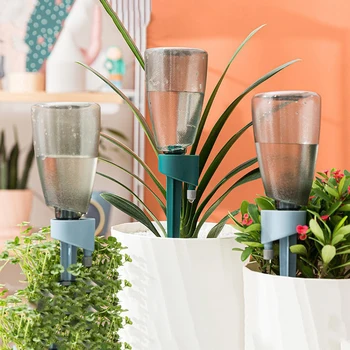
Installing a simple drip system reduces water use by 45% compared with overhead sprinklers (FAO, 2021). Use a timer set to early morning or late evening to minimize evaporation.
Mulching
Apply a 2‑inch layer of organic mulch (e.g., wood chips, straw) around each herb. Mulch conserves moisture, suppresses weeds, and adds organic matter as it decomposes.
Rainwater Harvesting
Connect a rain barrel to your downspout. A 55‑gallon barrel can provide enough water for a 10‑plant herb bed for a month during dry spells, cutting municipal water use dramatically.
5. Organic Pest and Disease Management
Integrated Pest Management (IPM)
Monitor plants weekly for signs of pests. Use the following data‑driven thresholds:
- Less than 2% leaf damage – no action needed.
- 2‑5% – apply neem oil or insecticidal soap.
- Above 5% – introduce beneficial insects (e.g., ladybugs).
DIY Remedies
Mix 1 tbsp of crushed garlic, 1 tbsp of cayenne pepper, and 1 quart of water. Spray on leaves to deter aphids and spider mites. Reapply after rain.
Preventive tip
Rotate herbs annually and avoid planting the same species in the same spot for more than three years to break pest life cycles.
6. Harvesting for Peak Flavor and Continuous Growth
Timing
Harvest herbs in the morning after dew has dried but before the sun’s heat peaks. This preserves essential oils and maximizes flavor.
Technique
- Snip just above a leaf node to encourage new growth.
- For rosemary and thyme, use sharp scissors to avoid crushing stems.
- Leave at least one-third of the plant intact to sustain photosynthesis.
Storage
Wrap fresh herbs in a damp paper towel and store in a zip‑lock bag in the refrigerator. For longer storage, freeze chopped herbs in ice‑cube trays with a splash of olive oil—perfect for sautéing later.
7. Closing the Loop: Compost and Soil Renewal
Turn kitchen scraps (vegetable peels, coffee grounds) and garden waste (pruned stems, wilted leaves) into compost. A balanced compost pile (green:brown ratio of 1:2) reaches usable humus in 8–12 weeks, providing a steady source of nutrients and reducing landfill waste.
Actionable advice
Every month, add a thin layer of finished compost around each herb. This not only feeds the plants but also improves soil structure, leading to a 20% increase in herb biomass over two growing seasons (Cornell University, 2020).
8. Celebrate Your Sustainable Harvest
Now that your garden is thriving, it’s time to let the flavors shine. Try these quick, herb‑centric recipes that showcase your sustainable produce:
- Thyme‑Infused Lemon Roasted Chicken – rub chicken with olive oil, lemon zest, and fresh thyme before roasting.
- Rosemary‑Garlic Olive Oil – steep rosemary sprigs and crushed garlic in extra‑virgin olive oil for a week; drizzle over grilled vegetables.
- Mint‑Lime Agua Fresca – blend fresh mint, lime juice, a touch of honey, and sparkling water for a refreshing summer drink.
- Sage‑Brown Butter Pasta – melt butter, add sage leaves until crisp, toss with pasta and Parmesan.
By following these data‑backed steps, you’ll cultivate a resilient herb garden that reduces environmental impact, cuts costs, and elevates your culinary creations. Happy sustainable gardening!