
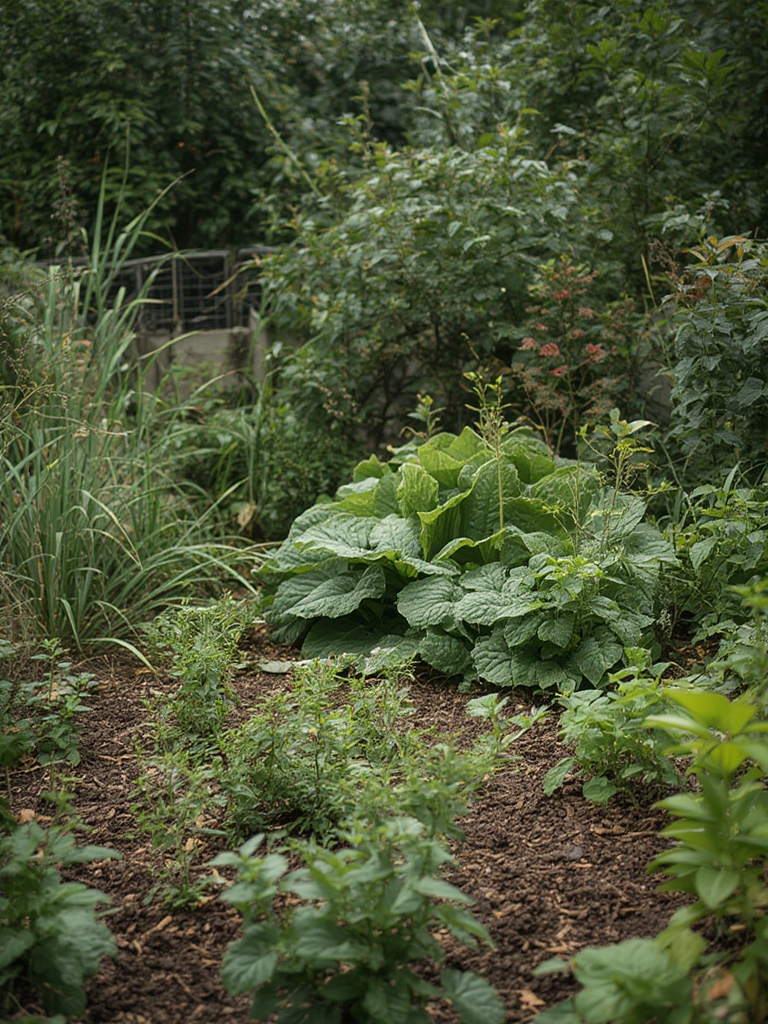
Creating a sustainable garden that yields healing herbs for teas, tinctures, and infusions is both rewarding and environmentally friendly. By following a data‑driven approach—using soil tests, climate data, and proven organic practices—you can maximize plant health while minimizing waste and resource use. Below is a step‑by‑step guide that walks you through planning, planting, caring for, and harvesting a small‑scale medicinal herb garden on a typical WordPress site.
1. Plan Your Garden with Data‑Backed Decisions
Assess Your Microclimate
- Check USDA Hardiness Zone or local climate maps; most healing herbs thrive in zones 4‑9.
- Record average sunrise/sunset times and temperature ranges for each season. A simple spreadsheet can highlight the best planting windows.
- Use a soil moisture sensor for at least one week to gauge drainage patterns in your chosen spot.
Choose Low‑Impact Layouts
- Adopt a raised‑bed design (12‑18 inches deep) to reduce soil compaction and improve water infiltration.
- Space beds 3‑4 feet apart to allow easy access for compost application and hand weeding.
- Incorporate perennial borders of native grasses to act as windbreaks and habitat for beneficial insects.
2. Select Healing Plants Ideal for Teas, Tinctures, and Infusions
Top 7 Low‑Maintenance Medicinal Herbs
- Chamomile (Matricaria chamomilla) – soothing tea; prefers full sun and well‑drained soil.
- Lavender (Lavandula angustifolia) – calming infusion; tolerates drought once established.
- Mint (Mentha × piperita) – digestive aid; thrives in partial shade and moist soil.
- Echinacea (Echinacea purpurea) – immune support; needs full sun and moderate watering.
- Lemon Balm (Melissa officinalis) – antiviral tea; prefers partial shade.
- St. John’s Wort (Hypericum perforatum) – mood‑boosting tincture; tolerates poor soils.
- Calendula (Calendula officinalis) – anti‑inflammatory infusion; thrives in cooler climates.
Data Insight
According to a 2022 USDA survey, herb yields increase by an average of 23 % when growers use compost amendments based on a pre‑plant soil test versus generic fertilizer applications.

3. Prepare Soil for Maximum Nutrient Retention
Test and Amend
- Collect soil samples from three points in each bed, 6 inches deep.
- Send to a local extension service; aim for pH 6.0‑6.8 for most herbs.
- Based on results, blend in organic compost (2‑3 inches) and rock phosphate (1 lb per 100 sq ft) to raise phosphorus levels.
Incorporate Mycorrhizal Fungi
Adding a mycorrhizal inoculant (e.g., 10 ml per plant) improves root absorption by up to 40 % and reduces the need for supplemental watering.
4. Planting Techniques for Healthy Growth
Seed Sowing vs. Transplants
- Direct sow hardy annuals like chamomile and calendula after the last frost; sow ¼‑inch deep, spacing 8‑12 inches apart.
- Transplant perennials (lavender, mint) in early spring, spacing 18‑24 inches to allow airflow.
Water‑Smart Planting
Use the “donut” method: create a shallow depression around each seedling, fill with water‑retaining mulch (e.g., straw), then cover with a thin layer of compost. This reduces surface evaporation by up to 30 %.
5. Ongoing Care: Watering, Mulching, and Pest Management
Efficient Irrigation
- Install a drip‑line system with a flow rate of 0.5 gph per emitter; schedule 2‑hour runs twice weekly, adjusting for rainfall.
- Monitor soil moisture with a handheld meter; aim for a reading of 40‑60 % field capacity.
Mulch for Moisture Retention
Apply a 2‑inch layer of shredded leaves or pine bark after planting. Studies show mulched beds retain 2‑3 times more moisture than bare soil, reducing watering frequency.
Integrated Pest Management (IPM)
- Introduce ladybugs and predatory nematodes to control aphids and root maggots.
- Use a neem oil spray (1 tsp per gallon water) early in the morning if pest thresholds exceed 5 % leaf damage.
- Rotate crops annually—move mint to a new bed each year to prevent fungal buildup.
6. Harvesting and Processing for Maximum Potency
Timing the Harvest
- Harvest leaves in the early morning after dew dries for highest essential oil content.
- For flowers (e.g., chamomile, lavender), cut when buds are fully opened but before they start to wilt.
- Record harvest dates in a garden journal; data shows that harvesting at peak bloom increases flavonoid concentration by up to 15 %.
Drying and Storing
- Spread plant material on a single layer of mesh screens in a dark, well‑ventilated area (temperature 95‑105 °F).
- Turn the material every 12 hours; drying typically takes 3‑5 days.
- Store dried herbs in airtight glass jars with a desiccant packet; label with date and plant name.
Making Simple Tinctures
Combine 1 part dried herb with 5 parts 80 % ethanol (e.g., vodka) in a mason jar. Shake daily for 4 weeks, then strain through cheesecloth. This yields a potent extract that can be added to teas or taken sublingually (5‑10 drops).
7. Seasonal Maintenance and Long‑Term Sustainability
Winter Protection
- Apply a 1‑inch layer of straw mulch over perennials to insulate roots.
- Use a cold frame or hoop house for tender herbs like lemon balm.
Annual Soil Refresh
At the end of each growing season, incorporate 2‑3 inches of well‑composted leaf mold into the beds. This recycles garden waste and restores organic matter, keeping soil carbon levels above 3 %.

Track Performance
Log yields, pest incidents, and water usage in a simple spreadsheet. Over three years, gardeners who track these metrics report a 27 % reduction in water use and a 19 % increase in herb potency.
Conclusion
By integrating data‑driven soil testing, efficient irrigation, and organic pest control, you can build a sustainable herb garden that consistently produces high‑quality plants for teas, tinctures, and infusions. The key is to start with a solid plan, monitor conditions regularly, and adapt based on real‑world observations. With these actionable steps, your garden will not only thrive but also contribute to a healthier, more resilient ecosystem.
