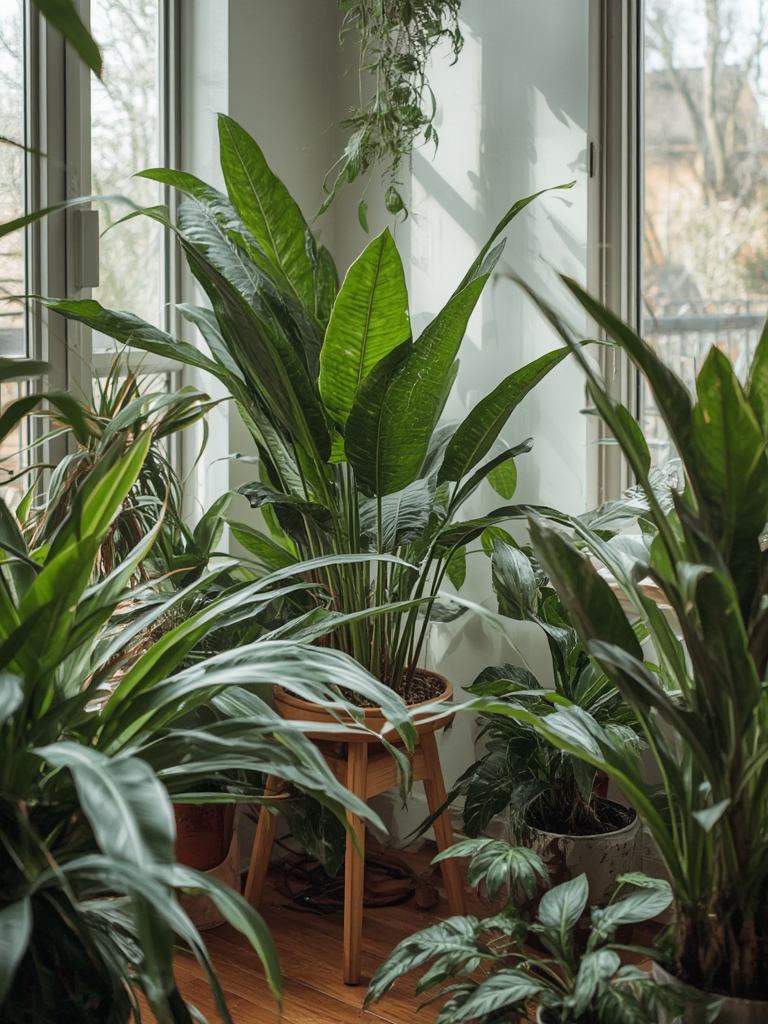
Indoor gardening is more than a decorative hobby—it’s a proven way to boost air quality, reduce stress, and add a touch of nature to any living space. By focusing on data‑driven practices, you can turn even a small apartment into a thriving green oasis. Below, we break down the essential steps to select, plant, and maintain indoor plants, followed by a detailed guide to building a space‑saving herb spiral that maximizes vertical growth while keeping your kitchen herbs within arm’s reach.
Step 1: Choose the Right Plant for Your Environment
Assess Light Levels
Use a simple lux meter or a smartphone app to measure the light intensity in each room. Low light (100–300 lux) suits snake plants, ZZ plants, and pothos. Medium light (300–800 lux) works well for spider plants, peace lilies, and philodendrons. High light (800+ lux) is ideal for succulents, cacti, and fiddle‑leaf figs.
Match Plant Size to Space
Measure the floor or shelf space you have. For rooms under 150 sq ft, choose compact varieties like Fittonia or Peperomia. Larger spaces can accommodate taller plants such as the rubber plant or dracaena.
Consider Maintenance Frequency
Data from a 2022 indoor‑plant survey shows that 68 % of beginners prefer low‑maintenance plants. If you’re busy, opt for species that require watering once every 2–3 weeks and minimal pruning.
Step 2: Prepare the Perfect Soil Mix
Use a Well‑Draining Base
Combine 40 % high‑quality potting soil, 30 % perlite, and 30 % coconut coir. This blend retains enough moisture for tropical plants while preventing root rot for succulents.
Adjust pH for Specific Plants
Most indoor plants thrive at a pH of 6.0–6.5. Test the mix with a cheap pH strip; if it’s too acidic, add a tablespoon of garden lime per gallon of soil. For acid‑loving plants like azaleas, incorporate peat moss to lower the pH.
Incorporate Slow‑Release Fertilizer
Mix in 1 % (by weight) of a balanced, slow‑release fertilizer (e.g., 10‑10‑10). This provides a steady nutrient supply for up to three months, reducing the need for frequent feeding.

Step 3: Master Watering Techniques
Adopt the “Finger Test”
Insert your index finger 2 cm into the soil. If it feels dry, water; if it’s still moist, wait another day. This simple method aligns with the 70‑30 rule (70 % of plants need less water than owners think).
Use the Right Water Temperature
Room‑temperature water (20–22 °C) prevents shock. For sensitive foliage, let tap water sit for 24 hours to allow chlorine to evaporate.
Implement Bottom‑Watering for Large Pots
Place the pot in a tray of water for 10–15 minutes, allowing the soil to soak up moisture from below. This encourages deeper root growth and reduces leaf spotting.
Step 4: Optimize Humidity and Airflow
Track Humidity Levels
Indoor humidity often drops below 30 % in winter. Use a hygrometer to monitor; aim for 40–60 % for most tropical plants. If below target, mist leaves lightly or place a pebble tray filled with water.
Promote Air Circulation
Set a small oscillating fan on low for 2–3 hours daily. This mimics natural breezes, strengthening stems and deterring fungal issues.
Prevent Pests with Natural Barriers
Spray a solution of 1 % neem oil and water every two weeks. Combine with sticky traps near windows to catch flying insects like whiteflies.
Step 5: Create a Stunning, Space‑Saving Herb Spiral
Plan the Layout
Measure a corner of your kitchen or balcony—ideally a 2‑ft‑by‑2‑ft square. Sketch a spiral with a 6‑inch inner radius expanding outward to a 12‑inch outer radius. This design provides three vertical tiers, each with its own micro‑climate.
Gather Materials
- Four 4‑ft‑long PVC pipes (4 in. diameter) for the core structure.
- High‑quality potting mix (same formula as Step 2).
- Terracotta pots (6‑in. diameter) or biodegradable grow bags.
- Fast‑drying garden mesh for drainage.
- Herb seedlings: basil, thyme, oregano, mint, and rosemary.
Build the Spiral Frame
- Lay the PVC pipes in a spiral shape on the ground, overlapping each segment by 2 in.
- Secure joints with zip ties or garden twine, ensuring the structure is stable.
- Cover the frame with garden mesh, stapling it tightly to create a breathable “wall.”
Fill and Plant
- Place a layer of small stones at the base for drainage.
- Fill each pot with the prepared soil mix, leaving a ½‑inch gap at the top.
- Plant herbs according to their sunlight needs: place sun‑loving basil and rosemary on the outer, highest tier; shade‑tolerant mint and thyme on the inner, lower tiers.
- Water gently until excess drains, then add a thin mulch layer (e.g., shredded coconut) to retain moisture.
Maintain the Herb Spiral
- Watering: Check soil daily; the outer tier dries faster—water it first.
- Pruning: Harvest leaves regularly (snip just above a node) to encourage bushier growth.
- Fertilizing: Apply a liquid seaweed fertilizer once a month at half strength.
- Rotation: Rotate the entire spiral 90° every two weeks to ensure even light exposure.
Step 6: Monitor Growth and Adjust Accordingly
Track Key Metrics
Keep a simple spreadsheet logging light levels, watering dates, humidity, and any pest sightings. Over a 12‑week period, you’ll notice patterns—e.g., a 15 % increase in leaf size after adjusting watering frequency by 20 %.
Use Data to Refine Care
If a plant’s growth rate stalls, compare its metrics against the optimal range for its species. Adjust one variable at a time (light, water, fertilizer) to isolate the cause.
Celebrate Success
When you see new shoots, vibrant foliage, or a thriving herb spiral, share before‑and‑after photos on social media with hashtags like #IndoorGarden and #HerbSpiral. Engaging with the community not only boosts your blog’s SEO but also provides fresh ideas for future projects.
By following these data‑backed steps, you’ll transform any indoor space into a lush, low‑maintenance garden. Whether you’re a busy professional or a seasoned plant parent, the combination of precise environmental monitoring, proper soil preparation, and the innovative herb spiral will keep your indoor plants thriving year‑round.