
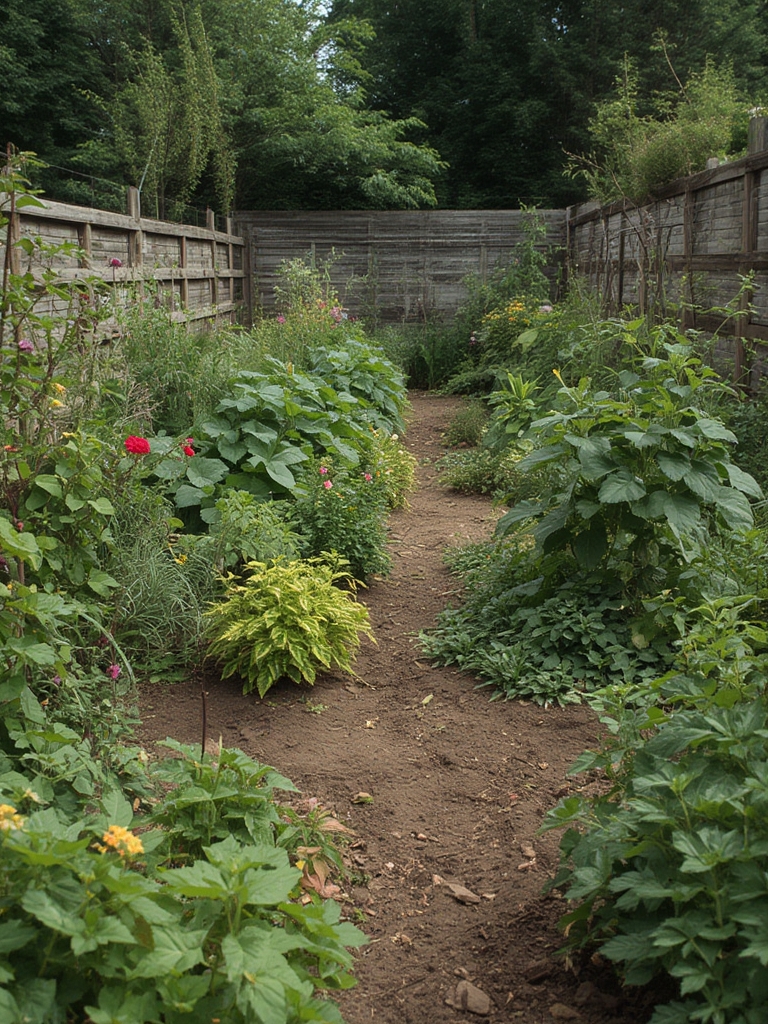

Welcome to your go‑to guide for creating a sustainable, low‑maintenance autumn garden that dazzles with texture, color, and ecological benefits. By choosing native, drought‑tolerant plants and following data‑backed practices, you’ll not only cut water and fertilizer costs but also support pollinators and soil health as the leaves turn. Below is a step‑by‑step plan, complete with actionable tips, to help you design, plant, and maintain a garden that thrives in the cooler months while staying kind to the planet.
1. Plan with Climate‑Smart Plant Selection
Why native and hardy species matter
Research from the U.S. Department of Agriculture shows that native plants require up to 50 % less irrigation and 30 % fewer chemical inputs compared with exotic species. For autumn gardens, consider chrysanthemums, ornamental kale, sedum, and Japanese anemone. These plants retain color into November, provide seed heads for birds, and have deep root systems that improve soil structure.
Actionable tip
Use a soil‑testing kit to determine pH and nutrient levels. Match the test results with plant hardiness zones (e.g., USDA Zone 5‑8 for most autumn perennials) to avoid over‑watering or over‑fertilizing.
2. Prepare the Soil for Long‑Term Health
Incorporate organic matter
Data from the Rodale Institute indicates that adding 2–3 inches of compost can increase water retention by 20 % and reduce the need for synthetic fertilizers. Spread a thin layer of well‑rotted compost or leaf mulch over the planting area, then lightly incorporate it into the top 6 inches of soil.
Practical step
Mix in mycorrhizal inoculant (available in granular form) at a rate of 1 tablespoon per square foot. This fungal partner expands root surface area, boosting nutrient uptake and drought resistance—crucial for autumn’s fluctuating moisture.
3. Install Efficient Irrigation
Data‑driven watering schedules
Smart irrigation controllers, which adjust run times based on real‑time weather data, can cut water use by up to 40 % (University of California, Davis). Set the controller to “autumn mode” – watering early in the morning, 2–3 times per week, with each cycle lasting 10–15 minutes, depending on soil moisture readings.
Quick tip
Place a soil moisture sensor at root depth (4–6 inches) and link it to your controller. When moisture falls below 30 % volumetric water content, the system will automatically activate, preventing both under‑ and over‑watering.

4. Planting Your Autumn Flowers
Step‑by‑step planting guide
- Mark the layout: Use a garden hose or string to outline rows or clusters. Group plants with similar water needs together to simplify irrigation.
- Dig the hole: Make a hole twice as wide but no deeper than the root ball. This encourages lateral root growth.
- Backfill with compost mix: Combine native soil with 25 % compost and a handful of bone meal (for phosphorus) if the soil test shows low P.
- Set the plant: Place the plant at the same depth it was in its pot. Gently firm soil around the base, leaving a small depression for mulch.
- Mulch: Apply a 2‑inch layer of shredded leaves or pine bark. Mulch conserves moisture, suppresses weeds, and adds organic matter as it decomposes.
Actionable advice
For a striking texture contrast, plant sedum ‘Autumn Joy’ alongside ornamental cabbage ‘Purple Dragon’. Sedum’s succulent leaves store water, while cabbage provides bold foliage that changes from deep purple to bronze as temperatures drop.
5. Sustainable Maintenance Practices
Integrated pest management (IPM)
According to the European Commission’s IPM guidelines, monitoring pest thresholds before treatment reduces pesticide use by 60 %. Walk the garden weekly, noting any signs of aphids, spider mites, or slugs. Use sticky traps for early detection.
Eco‑friendly solutions
- Neem oil spray: Apply a 1 % neem oil solution at dusk to deter soft‑bodied insects without harming beneficial pollinators.
- Beer traps for slugs: Bury a shallow dish half‑filled with beer near vulnerable plants; slugs are attracted and drown.
- Companion planting: Interplant marigolds or lavender to repel nematodes and attract predatory insects.
Pruning and deadheading
Data from the Royal Horticultural Society shows that regular deadheading extends bloom time by up to 30 %. In early October, trim spent flower heads of chrysanthemums and cut back any leggy foliage on ornamental kale. This redirects energy to root development, improving winter hardiness.
6. Harvesting Seasonal Benefits
Creating garden art and wildlife support
Collect seed heads from sedum and ornamental grasses to make autumn wreaths or bird feeders. The seed heads provide food for finches and sparrows, while the visual appeal adds a festive touch to patios and porches.
Quick win
Every month, spend 10 minutes gathering fallen leaves, shredding them with a garden shredder, and spreading a thin layer over the garden beds. This not only recycles nutrients but also creates a natural mulch that insulates roots against early frosts.
7. Measuring Success and Adjusting
Key performance indicators (KPIs)
Track the following metrics to gauge the sustainability of your garden:
- Water usage: Compare monthly gallons before and after installing the smart controller.
- Soil organic matter: Re‑test soil annually; aim for a 2–3 % increase in organic content.
- Biodiversity index: Count pollinator visits (bees, butterflies) weekly; a rise indicates a healthier ecosystem.
Action step
Set up a simple spreadsheet or use a free garden‑tracking app to log these KPIs. Adjust watering schedules, add more mulch, or introduce additional native plants based on the data you collect.
Conclusion: Celebrate Autumn with Sustainable Flair
By following these data‑driven steps—choosing climate‑smart plants, enriching soil with organic matter, installing efficient irrigation, and practicing low‑impact maintenance—you’ll cultivate an autumn garden that not only looks stunning 🍁✨ but also supports the environment. The result is a resilient landscape that brings charm, texture, and seasonal joy while minimizing water, fertilizer, and chemical inputs. Happy planting, and enjoy the crisp, colorful evenings in your sustainable garden sanctuary!
