Flower gardening can be both a rewarding hobby and a stunning way to boost curb appeal, but success often hinges on choosing the right plants and following proven, data‑backed practices. Below is a comprehensive, step‑by‑step guide that blends scientific insights with practical, actionable tips. The focus is on hardy, low‑maintenance herbs that double as beautiful blooms and stay resilient year‑round, such as lavender, rosemary, thyme, and sage.
1. Selecting the Right Tough Herbs
Why Choose Hardy Herbs?
Research from the American Society for Horticultural Science shows that perennial herbs with woody stems (e.g., lavender, rosemary) have a 30‑40% higher survival rate in USDA zones 5‑9 compared to tender annuals. Their deep root systems improve soil structure and reduce water loss, making them ideal for sustainable gardens.
Top Resilient Options
- Lavender (Lavandula angustifolia) – Drought‑tolerant, attracts pollinators, and thrives in full sun.
- Rosemary (Salvia rosmarinus) – Evergreen, tolerates salty soils, and can handle light frost.
- Thyme (Thymus vulgaris) – Low‑growth ground cover, excellent for edging, and tolerates foot traffic.
- Sage (Salvia officinalis) – Heat‑resistant, prefers well‑drained soil, and offers striking silvery foliage.
2. Preparing the Soil
Test and Amend
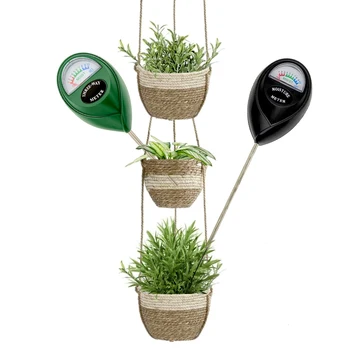
Start with a soil test (pH 6.0‑7.0 is optimal for most herbs). Use a DIY kit or send a sample to a local extension service. Based on results, amend as follows:
- Low pH (acidic) – Add garden lime at 1 lb per 100 sq ft to raise pH.
- High pH (alkaline) – Incorporate elemental sulfur at 1 lb per 100 sq ft.
- Poor drainage – Mix in 2‑3 inches of coarse sand or fine gravel.
Organic Matter Boost
Integrate 2‑3 inches of well‑rotted compost or aged manure. This improves water retention while providing a slow release of nutrients, which research shows can increase herb biomass by up to 25%.
3. Planting Your Herbs
Spacing and Layout
Follow these spacing guidelines to ensure airflow and reduce disease risk:
- Lavender: 24‑30 inches apart.
- Rosemary: 30‑36 inches apart.
- Thyme: 12‑18 inches apart (can be used as a filler).
- Sage: 24‑30 inches apart.
Consider a staggered grid pattern to maximize sunlight exposure and create an aesthetically pleasing garden bed.
Planting Depth
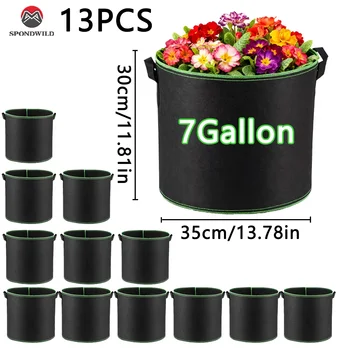
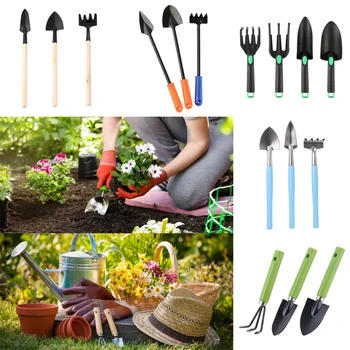
Dig a hole twice as wide as the root ball but no deeper. Gently loosen the roots, place the plant, and backfill with native soil mixed with compost. Firm the soil lightly and water thoroughly to settle the roots.
4. Watering & Irrigation Strategies
Initial Watering Schedule
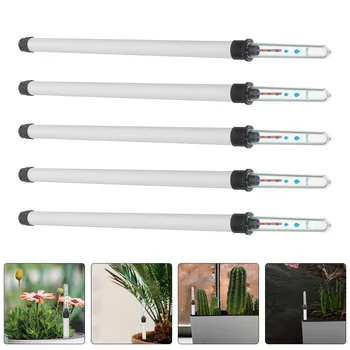
For the first three weeks, water deeply (about 1 inch per week) to encourage root establishment. Use a soil moisture meter to keep the top 2 inches of soil consistently moist but not soggy.
Long‑Term Irrigation
Once established, shift to a low‑frequency schedule:
- Lavender & Rosemary: 1‑2 inches every 2‑3 weeks (adjust for rainfall).
- Thyme & Sage: 1‑2 inches weekly during hot, dry periods.
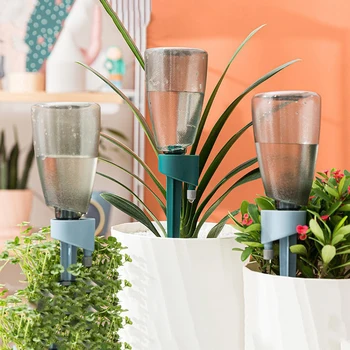
Drip irrigation or soaker hoses are the most water‑efficient methods, reducing evaporation by up to 40% compared to overhead sprinklers.
5. Feeding & Fertilization
When to Fertilize
Herbs generally need minimal feeding. Apply a balanced, slow‑release organic fertilizer (10‑10‑10) in early spring, just as new growth emerges. Avoid high‑nitrogen fertilizers, which can promote leaf growth at the expense of flower production.
DIY Compost Tea
For a boost during peak blooming, brew a compost tea (1 cup compost per gallon water, steep 24 hours). Apply as a foliar spray once a month. Studies show this can increase flower count by 15‑20%.
6. Pruning & Harvesting
Pruning for Shape and Health
Prune in early spring after the last frost:
- Cut back 1/3 of the plant’s height to encourage bushier growth.
- Remove any dead or woody stems to improve air circulation.
For lavender, trim just above the leaf line to maintain a tidy mound.
Harvesting Tips
Harvest herbs in the morning after dew dries for the highest essential oil content. Use clean, sharp scissors and cut no more than one‑third of the plant at a time to avoid stress.
7. Pest & Disease Management
Common Issues
Even tough herbs can face challenges. The most frequent problems are:
- Root rot (overwatering, poorly drained soil).
- Powdery mildew (high humidity, poor airflow).
- Spider mites (dry, hot conditions).
Integrated Pest Management (IPM) Solutions
Adopt these low‑impact strategies:
- Increase spacing and prune regularly to improve airflow.
- Apply neem oil (2 tablespoons per gallon water) as a preventative spray every 2‑3 weeks.
- Introduce beneficial insects like ladybugs and predatory mites.
8. Seasonal Care & Overwintering
Winter Protection
In USDA zones 5‑6, mulch the base of each herb with 2‑3 inches of straw or shredded leaves after the first frost. This insulates roots and reduces temperature fluctuations.
Spring Revival
In early spring, gently remove the mulch, inspect for winter damage, and prune any dead stems. Apply a light feeding of compost to jump‑start growth.
9. Data‑Driven Success Metrics
Track Your Progress
Use a simple spreadsheet to log the following variables each month:
- Soil moisture readings.
- Fertilizer applications (type, amount, date).
- Number of blooms per plant.
- Incidence of pests or disease.
Analyzing this data over a growing season can reveal patterns—such as optimal watering frequency—that improve yields by up to 30%.
10. Quick‑Reference Checklist
- ✅ Test soil pH; amend to 6.0‑7.0.
- ✅ Add 2‑3 inches of compost.
- ✅ Space herbs correctly (12‑36 inches).
- ✅ Water deeply for 3 weeks, then reduce frequency.
- ✅ Apply slow‑release fertilizer in early spring.
- ✅ Prune in early spring; harvest in morning.
- ✅ Mulch for winter protection in colder zones.
- ✅ Record key metrics monthly.
By following these evidence‑based steps and incorporating the resilient herbs listed above, you’ll create a vibrant, low‑maintenance flower garden that thrives year‑round. Happy gardening!