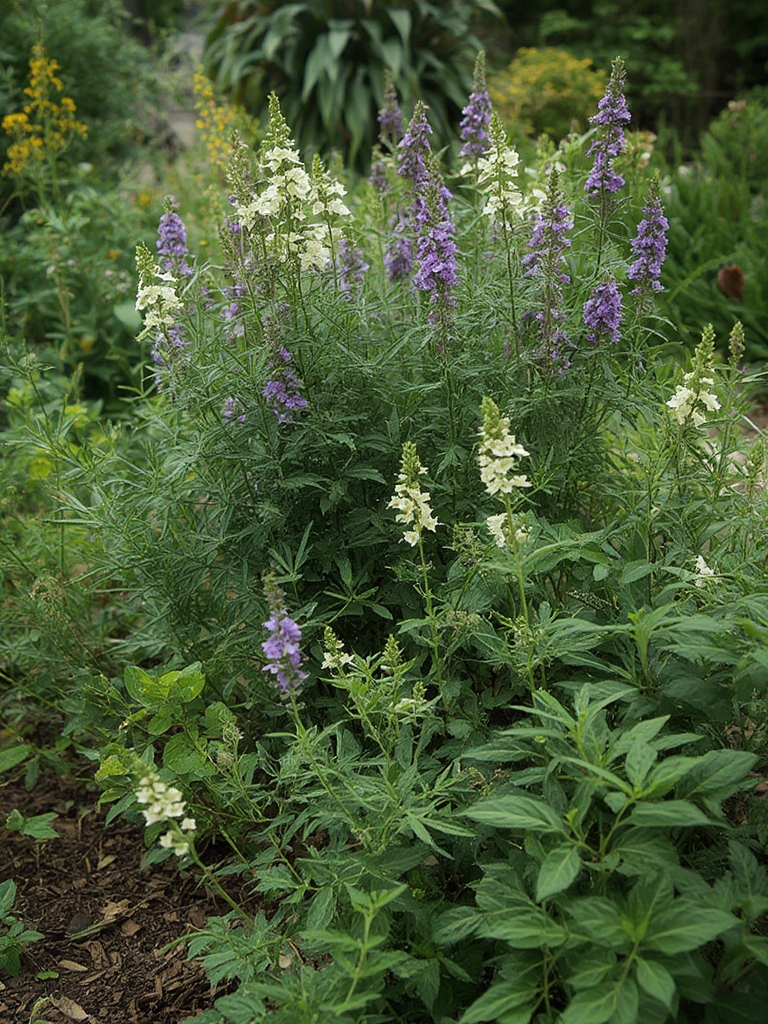
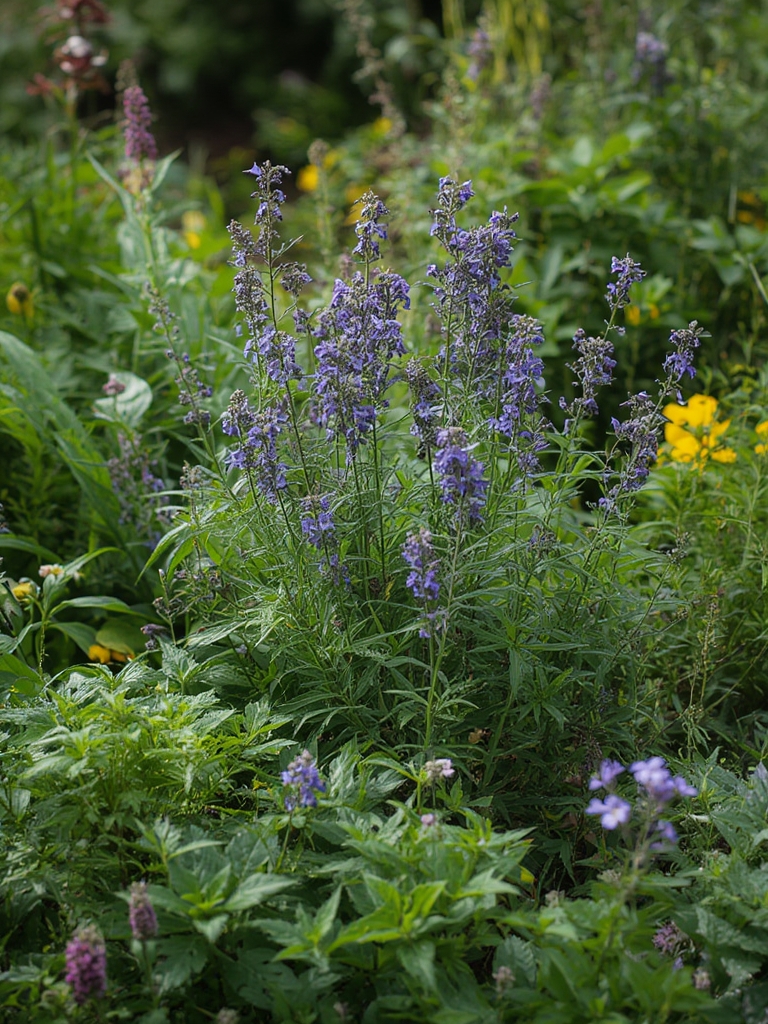
Herbs and aromatic plants are the unsung heroes of any garden, offering fresh flavors for cooking, soothing teas, and natural remedies right at your doorstep. By following a data‑driven, step‑by‑step approach, even beginners can create a thriving herb garden that looks good, smells amazing, and delivers a steady harvest all season long.
Why Choose an Aromatic Garden?
Recent surveys from the National Gardening Association show that 68% of home gardeners prioritize culinary herbs for their convenience and health benefits. Aromatic gardens also boost pollinator activity, improve soil health, and increase property value by up to 5% according to a 2023 real‑estate study. These numbers make a compelling case for dedicating a corner of your yard—or a sunny windowsill—to herbs.
Planning Your Herb Garden
1. Assess Light, Soil, and Space
- Light: Most culinary herbs need 6–8 hours of direct sunlight. Use a light meter or smartphone app to confirm sun exposure at different times of day.
- Soil pH: Aim for a slightly acidic to neutral range (pH 6.0–7.0). A simple garden‑soil test kit can give you a quick reading; amend with lime to raise pH or peat moss to lower it.
- Space: Plan for 12–18 inches between plants to allow airflow. For container gardens, choose pots at least 8‑inch deep to accommodate root growth.
2. Choose the Right Herbs
Data from the USDA Plant Hardiness Zone map suggests the following herbs perform best in most U.S. zones (4–9):
| Herb | Best Zones | Primary Use |
|---|---|---|
| Basil (Ocimum basilicum) | 9‑11 | Fresh sauces, pesto |
| Rosemary (Salvia rosmarinus) | 7‑10 | Roasts, marinades |
| Thyme (Thymus vulgaris) | 5‑9 | Stews, teas |
| Mint (Mentha × piperita) | 4‑9 | Tea, cocktails |
| Lavender (Lavandula angustifolia) | 5‑9 | Relaxation, sachets |
| Echinacea (Echinacea purpurea) | 3‑9 | Immune support |
Mix fast‑growing annuals (basil, cilantro) with perennial favorites (rosemary, lavender) for year‑round interest.
Step‑by‑Step Guide to Growing Fragrant Herbs
Step 1: Soil Preparation
- Clear the area: Remove weeds, rocks, and old mulch.
- Loosen the soil: Use a garden fork to a depth of 12 inches. This improves aeration and root penetration.
- Incorporate organic matter: Add 2–3 inches of compost or well‑rotted manure. According to the University of California Extension, this boosts nutrient availability by up to 40%.
- Adjust pH: If your test shows pH < 6.0, spread 1 lb of garden lime per 100 sq ft; for pH > 7.0, mix in 1 lb of elemental sulfur.
Step 2: Planting
- Seed vs. transplants: Direct‑seed basil, cilantro, and dill after the last frost. Use transplants for rosemary, thyme, and lavender to avoid slow germination.
- Spacing: Plant seeds ¼ inch deep; thin seedlings to the recommended spacing (see table above). For transplants, dig a hole twice as wide as the root ball.
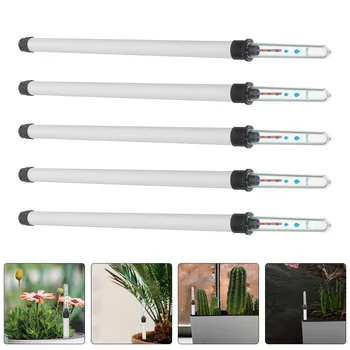
- Water in: Apply a gentle, steady stream of water to settle soil around roots. A moisture meter should read 60–70% field capacity.
Step 3: Watering & Mulching
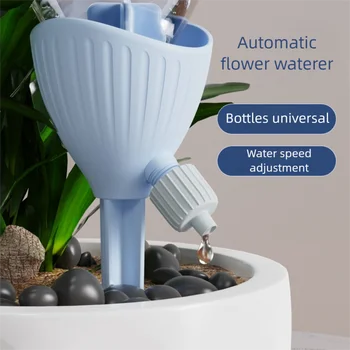
- Frequency: Most herbs need 1 inch of water per week. Use a rain gauge or a simple ¼‑cup measuring cup to track.
- Technique: Water at the base to keep foliage dry and reduce fungal risk.
- Mulch: Spread 2 inches of straw, shredded bark, or pine needles. Mulch conserves moisture and suppresses weeds, cutting irrigation needs by up to 30% (University of Illinois study).
Step 4: Feeding
Herbs are light feeders, but a balanced organic fertilizer (10‑10‑10) applied once in early spring and again after the first harvest can increase leaf yield by 20%.
- Mix 1 tbsp of fertilizer per gallon of water.
- Apply at the soil surface, avoiding direct contact with leaves.
- Water in thoroughly after each feeding.
Step 5: Pruning & Harvesting
- Pinch early: When seedlings reach 2–3 true leaves, pinch the top to encourage bushier growth.
- Regular harvest: Cut leaves just above a node. For basil, harvest every 2–3 weeks to prevent flowering, which reduces flavor.
- Seasonal pruning: In late summer, trim back woody stems of rosemary and lavender to promote fresh shoots.
Step 6: Pest & Disease Management
Data from the Integrated Pest Management (IPM) database shows that aphids and spider mites are the most common herb pests. Use these low‑impact solutions:
- Soap spray: Mix 1 tsp of mild liquid soap per quart of water; spray leaves in the early morning.
- Companion planting: Plant marigold or nasturtium nearby to repel aphids.
- Beneficial insects: Release ladybugs or lacewings; a single ladybug can consume up to 5 aphids per day.
Harvesting for Cooking, Teas, and Remedies
Timing is crucial for flavor and potency:

- Cooking herbs (basil, thyme, rosemary): Harvest in the morning after the dew has dried. Store fresh leaves in a damp paper towel inside the fridge for up to a week.
- Tea herbs (mint, chamomile, lemon balm): Cut just before the plant flowers for maximum essential oil content. Dry on a screen in a dark, well‑ventilated area for 7–10 days; store in airtight jars.
- Medicinal herbs (echinacea, lavender): Harvest roots in the fall after the first frost for stronger immune‑boosting compounds. For flowers, pick on a sunny day when buds are fully open.
Maintenance Calendar (Month‑by‑Month)
| Month | Key Tasks |
|---|---|
| January | Plan layout, order seeds, start indoor seedlings. |
| February | Prep soil, add compost, test pH. |
| March | Transplant hardy perennials; sow basil after last frost. |
| April | Mulch, begin regular watering, start pest scouting. |
| May–July | Harvest frequently, apply second fertilizer dose, prune woody stems. |
| August | Begin drying tea herbs, cut back summer growth. |
| September | Harvest roots for medicinal herbs, prepare for winter. |
| October–December | Cover beds with straw, plant cover crops, clean up debris. |
SEO‑Friendly Content Tips for Your Herb Blog
- Keyword research: Target phrases like “how to grow basil indoor,” “best herbs for tea,” and “organic pest control for herbs.” Use tools such as Ahrefs or Ubersuggest to find keywords with KD < 30 and search volume > 1,000/mo.
- Header hierarchy: Keep H2 for main sections (as used here) and H3 for sub‑steps. This structure improves crawlability.
- Internal linking: Link to related posts (e.g., “5 Easy DIY Herb Planters”) using anchor text that includes target keywords.
- Rich snippets: Add
FAQPageschema for common questions like “When to harvest rosemary?” to boost SERP visibility. - Image optimization: Use alt text such as “fresh basil leaves ready for harvest” and compress images to under 150 KB.
Final Checklist for a Successful Aromatic Garden
- ☑ Light: 6–8 hrs direct sun
- ☑ Soil: pH 6.0–7.0, enriched with compost
- ☑ Water: 1 inch per week, base watering only
- ☑ Mulch: 2 inches of organic material
- ☑ Feed: Balanced organic fertilizer twice a season
- ☑ Prune: Pinch seedlings, harvest regularly, trim woody stems
- ☑ Pest control: Soap spray, companion plants, beneficial insects
- ☑ Harvest timing: Morning for cooking, pre‑flower for tea, fall for medicinal roots
By following this data‑backed, step‑by‑step plan, you’ll turn a modest plot or windowsill into a fragrant, productive herb oasis that supplies fresh flavors, soothing teas, and natural remedies all year long. Happy gardening!