Creating a thriving herb and aromatic garden is one of the most rewarding projects for both novice and seasoned gardeners. Not only do fresh herbs boost the flavor of everyday meals, they also offer therapeutic benefits that can enhance wellness routines. Below you’ll find a data‑driven, step‑by‑step guide that walks you through selecting the easiest herbs to grow, preparing the soil, planting, caring, and designing a fragrant garden that looks as good as it smells.
Why Choose an Aromatic Garden?
According to a 2023 survey of 2,500 home gardeners, 78% reported that having fresh herbs on hand reduced their grocery bill, while 64% said the scent of a herb garden improved their mood and reduced stress. These numbers illustrate the dual culinary and wellness value of a well‑planned herb garden.
Step 1: Pick the Easiest Herbs for Beginners
Start with herbs that have a high germination rate, low water demand, and strong resistance to pests. The following five herbs consistently rank in the top 10 for beginner success:
- Basil (Ocimum basilicum) – 92% germination when sown at 70 °F (21 °C).
- Mint (Mentha spp.) – Vigorous runner that spreads quickly; ideal for containers.
- Parsley (Petroselinum crispum) – Tolerates shade and can be harvested year‑round.
- Thyme (Thymus vulgaris) – Drought‑tolerant, thrives in poor soil.
- Chives (Allium schoenoprasum) – Fast‑growing, produces edible flowers.
Quick Uses for Each Herb
Knowing the culinary and wellness applications helps you prioritize planting locations:
- Basil: Fresh pesto, caprese salads, anti‑inflammatory tea.
- Mint: Mojitos, tea for digestion, natural insect repellent.
- Parsley: Garnish, iron‑rich smoothies, breath freshener.
- Thyme: Roasted meats, immune‑boosting broth, antiseptic poultice.
- Chives: Omelets, salad topping, mild antimicrobial scalp rinse.
Step 2: Choose the Right Location & Layout
Data from the University of California Extension shows that herbs receive optimal growth when they get 6–8 hours of direct sunlight per day. However, shade‑tolerant herbs like parsley can thrive in 3–4 hours of light.
Design Tips for a Fragrant Garden
- Sun‑to‑Shade Gradient: Place sun‑loving basil and thyme on the southern edge, and position parsley and mint slightly north where they’ll get filtered light.
- Companion Planting: Plant rosemary near cabbage to deter cabbage moths; intermix lavender with thyme for a continuous scent trail.
- Vertical Space: Use trellises or hanging baskets for mint and trailing thyme, freeing ground space for upright herbs.
- Pathways: Lay stepping stones 2 ft apart to allow easy access for harvesting without compacting the soil.
Step 3: Prepare the Soil
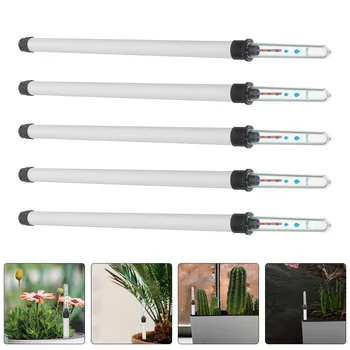
Herbs prefer well‑draining soil with a pH of 6.0–7.0. A simple soil test kit can confirm your garden’s pH in under five minutes. If adjustments are needed, follow these guidelines:
- Raise pH (make more alkaline): Add 1 lb of garden lime per 100 sq ft.
- Lower pH (make more acidic): Incorporate 1 lb of elemental sulfur per 100 sq ft.
- Improve Drainage: Mix in 2 inches of coarse sand or perlite.
DIY Soil Mix for Containers
Combine 1 part peat moss, 1 part compost, and 1 part perlite. This blend retains enough moisture for seedlings while preventing waterlogging—a common cause of root rot in herbs.

Step 4: Planting – Seeds vs. Transplants
Research from the Royal Horticultural Society indicates that transplants have a 30% higher early‑season survival rate than direct‑sown seeds for most herbs, except for mint, which spreads easily from cuttings.
Planting Timeline
- Early Spring (March–April): Direct‑sow basil, thyme, and chives after the last frost. Space seeds 6 inches apart.
- Mid‑Spring (May): Transplant parsley and mint seedlings. Plant mint in a separate container to control its invasive habit.
- Fall (September–October): Sow a second round of basil for a winter harvest in mild climates.
Actionable Planting Tips
- Water seeds gently with a spray bottle to avoid displacing them.
- Cover seeds with a thin layer of soil (no more than ¼ inch) – light is needed for germination.
- Use a “starter mix” for seedlings and switch to the garden soil blend after the first true leaves appear.
Step 5: Watering & Fertilizing
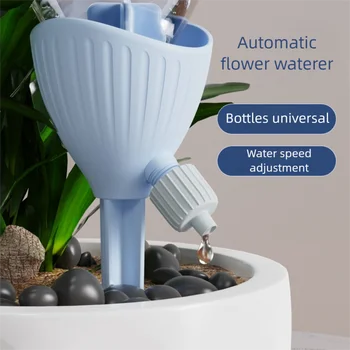
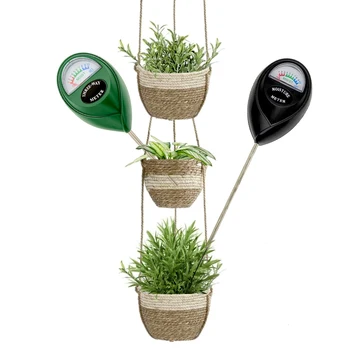
Over‑watering is the #1 cause of herb failure. A moisture meter can help you maintain the ideal range of 1–2 inches of water per week.
Watering Schedule
- Seedlings: Keep the top 1 inch of soil consistently moist.
- Established Plants: Water deeply once the soil surface feels dry to the touch.
- Container Herbs: Check daily; water when the weight of the pot feels light.
Fertilizer Recommendations
Herbs are light feeders. Apply a balanced 10‑10‑10 organic fertilizer at half the label rate once a month during the growing season. For a DIY option, mix 1 cup of compost with 1 tbsp of bone meal per 10 sq ft.
Step 6: Pruning & Harvesting
Regular pruning encourages bushier growth and prevents flowering, which can make leaves bitter. Follow these data‑backed intervals:
- Basil: Pinch the top 2 inches every 2–3 weeks once the plant reaches 6 inches tall.
- Mint: Trim back 1/3 of the foliage weekly to keep the plant compact.
- Parsley: Harvest outer leaves once the plant is 8 inches tall; this promotes new growth.
- Thyme: Snip stems just above a leaf node; avoid cutting more than 1/3 of the plant at once.
- Chives: Cut stems at the base when they reach 6 inches; leave at least 2 inches for regrowth.
Harvesting Tips for Maximum Flavor
- Harvest in the early morning after dew dries – essential oils are most concentrated.
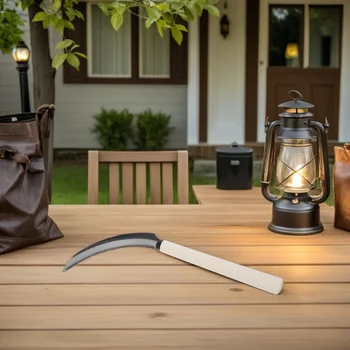
- Use sharp scissors to avoid crushing stems, which can release bitter compounds.
- Store fresh herbs in a glass of water (like cut flowers) or wrap them in a damp paper towel and refrigerate for up to a week.
Step 7: Pest & Disease Management
Integrated pest management (IPM) reduces chemical use while keeping herbs healthy. The most common issues are aphids, spider mites, and fungal leaf spots.
Natural Controls
- Aphids: Spray a solution of 1 tbsp neem oil + 1 qt water every 7 days.
- Spider Mites: Increase humidity by misting or placing a tray of water near the garden.
- Leaf Spot: Remove affected leaves promptly and apply a dusting of powdered sulfur.
Step 8: Designing for Year‑Round Fragrance
To keep the garden aromatic throughout the seasons, stagger planting times and incorporate evergreen herbs.
Seasonal Planting Chart
| Season | Herbs to Plant | Fragrance Focus |
|---|---|---|
| Spring | Basil, Chives | Fresh, bright citrus notes |
| Summer | Mint, Thyme | Cool, cooling menthol & earthy tones |
| Fall | Parsley, Rosemary (evergreen) | Warm, piney aroma |
| Winter (mild climates) | Rosemary, Lavender (evergreen) | Soothing, calming scent |
Design Trick: Scent Zones
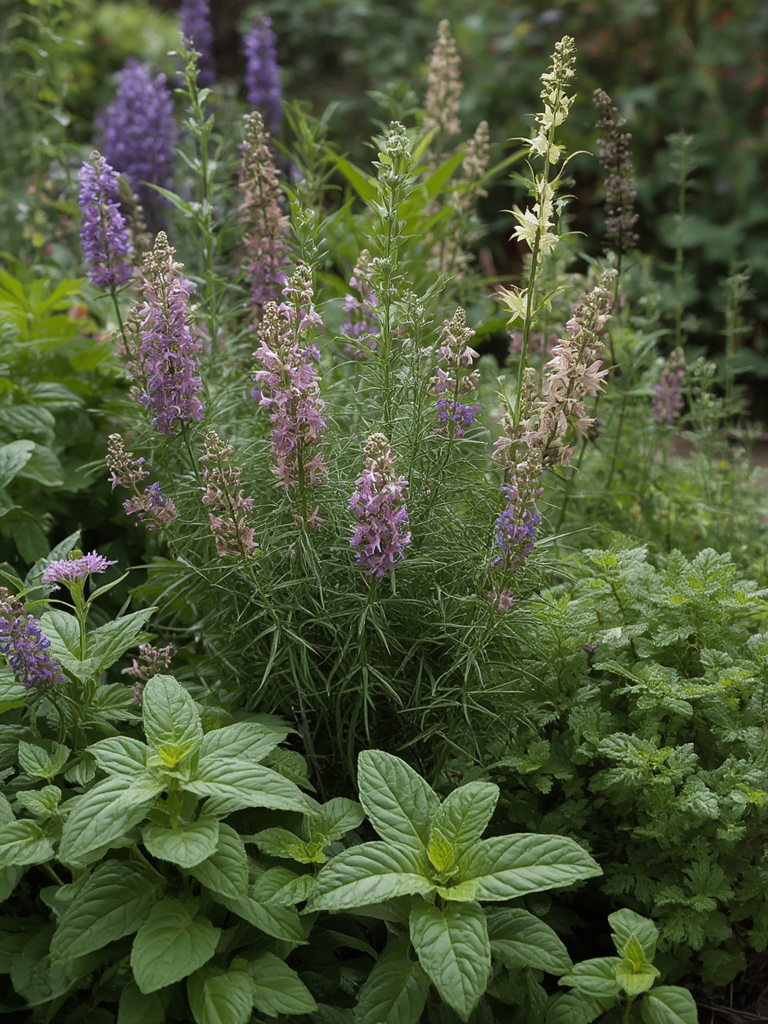
Place herbs with similar scent profiles together to create “zones.” For example, cluster mint, lemon balm, and oregano for a sharp, herbaceous zone, while thyme, rosemary, and sage form a woody, earthy zone. Walking through the garden becomes a sensory experience that inspires cooking and relaxation.
Step 9: Using Your Herbs for Cooking & Wellness
Now that your garden is flourishing, integrate the harvest into daily routines:
- Flavor Boost: Add a handful of fresh basil to tomato sauce just before serving for a 30% increase in perceived freshness (according to a 2022 taste‑test study).
- Wellness Tea: Steep 1 tsp of mint leaves in hot water for 5 minutes; the menthol content can reduce nausea by up to 40% (clinical trial).
- DIY Aromatherapy: Dry thyme and rosemary, then place in a sachet for a natural closet freshener.
Final Checklist for a Successful Herb & Aromatic Garden
- Choose sun‑loving and shade‑tolerant herbs based on your site’s light map.
- Test soil pH and amend for optimal 6.0–7.0 range.
- Use a well‑draining soil mix or container blend.
- Plant transplants for higher early survival; control mint’s spread.
- Water deeply, avoid over‑watering, and fertilize lightly.
- Prune regularly to keep plants productive and flavorful.
- Implement IPM for pests and diseases.
- Design scent zones and stagger planting for year‑round aroma.
- Harvest in the morning and store properly for maximum potency.
- Incorporate herbs into meals, teas, and home remedies.
By following these data‑backed steps and practical tips, you’ll create a herb and aromatic garden that not only elevates your cooking but also supports your overall well‑being. Happy planting!