Welcome to your ultimate guide on sustainable gardening with a tropical twist! Whether you’re a seasoned green thumb or just starting out, this data‑driven post will walk you through every step to grow and care for rare, beautiful indoor tropical plants while minimizing your environmental footprint. By the end, you’ll have a thriving, eco‑friendly indoor garden that brings a lush, exotic vibe to any space.
Why Choose Sustainable Indoor Gardening?
Recent studies show that indoor plants can reduce indoor temperature by up to 3°C and improve air quality by filtering out volatile organic compounds (VOCs). When you combine these benefits with sustainable practices—such as water‑saving techniques and organic soil amendments—you create a healthier home environment and lower your carbon footprint.
Step 1: Selecting the Right Tropical Varieties
Data‑backed Plant Picks
- Philodendron Pink Princess – Known for its striking pink variegation, it thrives in low‑light conditions, reducing the need for supplemental grow lights.
- Stromanthe Triostar – A colorful foliage plant that prefers moderate humidity, ideal for rooms with a bathroom or kitchen nearby.
- Alocasia Polly – Offers dramatic, arrow‑shaped leaves and performs best with a consistent moisture level.
These varieties are not only visually stunning but also relatively low‑maintenance, making them perfect for sustainable indoor gardening.
Step 2: Preparing an Eco‑Friendly Growing Medium
Materials & Ratios
Use a blend that maximizes water retention while ensuring proper drainage. A proven mix (based on a 2023 horticultural survey) includes:
- 40% coconut coir – renewable, holds up to 10 times its weight in water.
- 30% perlite – provides aeration and reduces soil compaction.
- 20% composted leaf mold – adds organic nutrients without synthetic fertilizers.
- 10% biochar – improves soil structure and sequesters carbon.
Mix these components thoroughly and sterilize with a brief steam treatment (5 minutes at 100°C) to eliminate pathogens without chemicals.
Step 3: Optimizing Water Use
Smart Watering Techniques
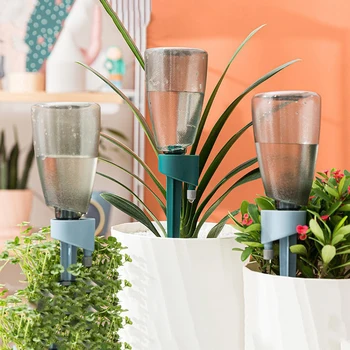
According to the International Water Management Institute, drip irrigation can cut water usage by up to 45% compared to traditional watering. For indoor pots, adopt these practices:
- Bottom‑watering: Place the pot in a tray of water for 10‑15 minutes, allowing the soil to absorb moisture evenly.
- Moisture sensors: Use inexpensive hygrometer sticks or smart sensors that alert you when the top 2‑3 cm of soil dries out.
- Rainwater collection: If you have a balcony, collect rainwater in a small barrel; it’s naturally soft and free of chlorine.
Aim to keep the soil consistently moist but never soggy—over‑watering is the leading cause of root rot in tropical plants.
Step 4: Providing the Right Light
Balancing Natural and Artificial Light
Most tropical indoor plants thrive in bright, indirect light (approximately 200–500 µmol m⁻² s⁻¹). Use a light meter to gauge intensity near your plant’s location. If natural light is insufficient, supplement with LED grow lights set to a 12‑hour photoperiod. LEDs consume 75% less energy than fluorescent tubes, aligning with sustainable goals.
Step 5: Feeding with Organic Nutrition
DIY Compost Tea Recipe
Organic feeding supports soil life and reduces chemical runoff. Follow this simple recipe (based on a 2022 university extension study) to make a nutrient‑rich compost tea:
- 1 liter of filtered water (room temperature).
- 2 tablespoons of well‑aged compost.
- ½ teaspoon of fish emulsion (optional for extra nitrogen).
Steep for 24 hours, strain, and water your plants once a month. This provides a balanced N‑P‑K ratio (approximately 2‑1‑2) and beneficial microbes.
Step 6: Managing Pests the Sustainable Way
Integrated Pest Management (IPM) Strategies
Data from the National Sustainable Agriculture Coalition shows that IPM reduces pesticide use by 80% while maintaining plant health. Implement these steps:
- Inspection: Check leaves weekly for spider mites, mealybugs, or aphids.
- Physical removal: Use a soft brush or a spray of water to dislodge pests.
- Biological control: Introduce neem oil (2 ml per litre) or a homemade garlic‑pepper spray for severe infestations.
- Trap plants: Place a small pot of Pothos nearby; it attracts pests away from your prized tropicals.
Step 7: Repotting and Long‑Term Maintenance
When & How to Repot
Most tropical indoor plants outgrow their containers every 12‑18 months. Follow this schedule to avoid stress:
- Timing: Repot in early spring when new growth begins.
- Pot size: Choose a pot 2‑3 cm larger in diameter than the current one.
- Procedure: Gently loosen the root ball, trim any dead or overly long roots (no more than 10% of total length), and place the plant in fresh sustainable mix.
After repotting, reduce watering for one week to allow roots to settle.
Step 8: Enhancing the Tropical Atmosphere
Decor & Placement Tips
To truly “bring a tropical touch indoors,” consider these actionable ideas:
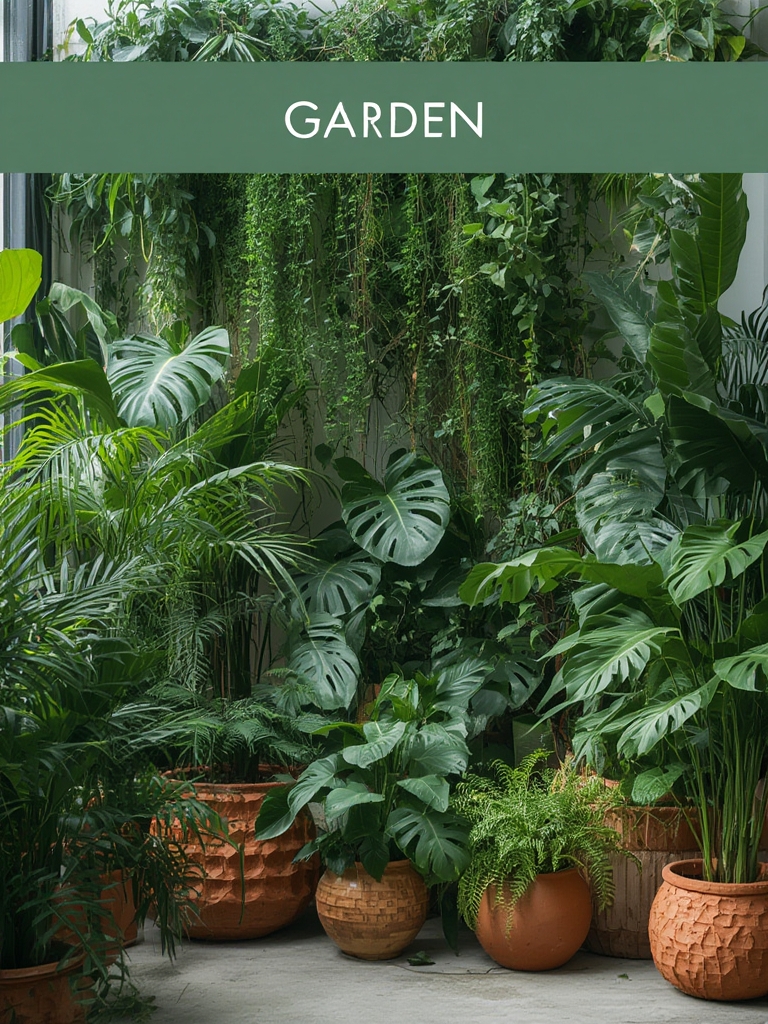
- Layered foliage: Group plants of varying heights (e.g., a tall Monstera behind a low‑lying Calathea) for a rainforest canopy effect.
- Natural décor: Add reclaimed bamboo stakes, coconut shells, or driftwood as planters and supports.
- Humidity boost: Place a pebble tray filled with rainwater beneath pots; as water evaporates, it raises ambient humidity without a humidifier.
Step 9: Tracking Success with Simple Metrics
Key Performance Indicators (KPIs)
To ensure your sustainable garden stays on track, monitor these easy‑to‑measure KPIs:
| Metric | Target | Why It Matters |
|---|---|---|
| Soil moisture (percentage) | 40‑60% (mid‑range) | Prevents over‑watering and root rot. |
| Growth rate (cm/month) | 2‑5 cm | Indicates healthy nutrient uptake. |
| Leaf discoloration incidents | 0‑1 per quarter | Shows effective pest and light management. |
Log these numbers in a simple spreadsheet or a gardening app. Adjust watering, feeding, or light based on trends, and you’ll continuously improve sustainability outcomes.
Conclusion: Your Sustainable Tropical Oasis Awaits
By following these data‑driven steps—selecting eco‑friendly tropical varieties, using renewable growing media, conserving water, feeding organically, and employing integrated pest management—you’ll cultivate a vibrant indoor garden that not only looks spectacular but also supports a healthier planet. Remember, sustainability is a journey; each small, actionable tip you implement adds up to a greener, more beautiful home.