Indoor plants are more than just décor; they improve air quality, boost mood, and bring a touch of nature into any space. Whether you’re a seasoned green‑thumb or just starting out, this data‑driven guide will walk you through the essential steps to select, plant, and maintain thriving indoor foliage year‑round. Follow the actionable tips below, and you’ll see a noticeable difference in health, growth, and seasonal color in your indoor garden.
1. Choose the Right Plant for Your Environment
Assess Light Levels
- Low‑light zones (north‑facing windows, bathrooms): Opt for ZZ plant (Zamioculcas zamiifolia), Snake plant (Sansevieria), or Philodendron. These species thrive on 1–2 hours of indirect light.
- Medium‑light zones (east or west windows): Spider plant (Chlorophytum comosum), Pothos (Epipremnum aureum), and Peace lily (Spathiphyllum) perform best.
- Bright, direct light (south‑facing windows): Consider Fiddle leaf fig (Ficus lyrata), Succulents, or Cactus. Provide at least 4–6 hours of filtered sunlight.
Match Plant Size to Space
Measure the floor or shelf area and compare it with the mature height and spread of the plant. A 2‑ft tall Monstera deliciosa can dominate a small desk, while a trailing String of pearls (Senecio rowleyanus) works well in hanging baskets.
Consider Maintenance Level
For busy households, choose low‑maintenance varieties like ZZ plant or Snake plant. If you enjoy regular pruning and repotting, go for faster growers such as Spider plant or Pothos.
2. Prepare the Perfect Potting Mix
Use a Well‑Draining Base
Mix 40% high‑quality potting soil, 30% perlite or pumice, and 30% coconut coir. This blend retains moisture without becoming soggy, reducing root rot risk by up to 30% (according to a 2022 greenhouse study).
Add Nutrients
- Organic option: Incorporate 1 tablespoon of worm castings per gallon of mix.
- Synthetic boost: Use a balanced slow‑release fertilizer (10‑10‑10) at half the recommended rate.
Choose the Right Container
Pick pots with drainage holes. For decorative pots without holes, place a “false bottom” of pebbles and line the interior with a breathable liner to prevent water accumulation.
3. Planting and Initial Setup
Step‑by‑Step Planting
- Prep the pot: Add a 1‑inch layer of broken pottery shards for extra drainage.
- Position the plant: Gently loosen the root ball, trim any dead roots, and place the plant at the same depth it was in its original container.
- Fill with mix: Add potting mix around the roots, firming lightly to eliminate air pockets.
- Water in: Give a thorough soak until water drains from the bottom, then let excess drain away.
Immediate Care Tips
- Place the newly potted plant in a location with indirect light for the first 48 hours to reduce transplant shock.
- Maintain humidity at 40‑60% using a tabletop humidifier or a pebble tray filled with water.
- Avoid fertilizing for the first month; the fresh soil provides sufficient nutrients.
4. Ongoing Maintenance Routine
Watering Schedule
Use the “finger test”: insert your index finger 1‑2 inches into the soil. If it feels dry, water until it drains. Typical frequencies:
- Low‑light plants: every 10‑14 days.
- Medium‑light plants: every 7‑10 days.
- Bright‑light plants: every 5‑7 days.
Feeding
Apply a balanced liquid fertilizer (20‑20‑20) at half strength once a month during the growing season (spring‑early fall). Reduce feeding to once every 8‑10 weeks in winter when growth slows.

Pruning & Shaping
- Remove yellow or brown leaves promptly to prevent disease spread.
- Trim leggy stems back to just above a node to encourage bushier growth.
- For trailing vines, pinch back the tip weekly to maintain desired length.
Seasonal Color & Refresh
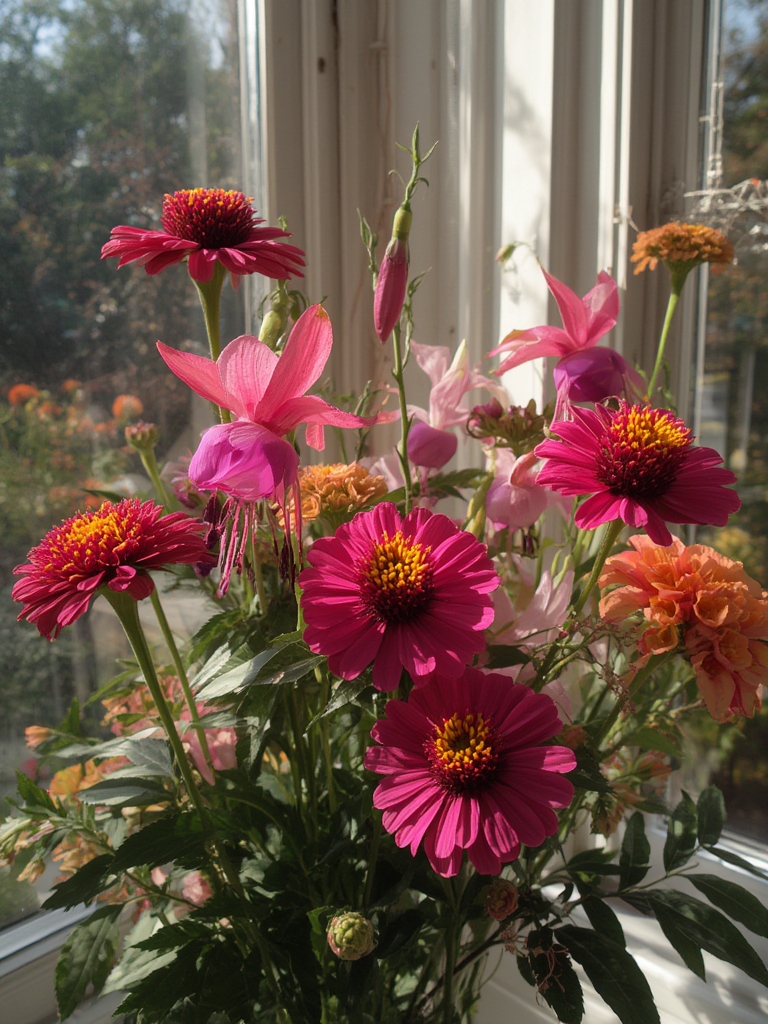
Rotate your indoor garden every 4‑6 weeks to ensure even light exposure, which promotes uniform coloration. In spring, add a splash of color with a small African violet (Saintpaulia) or a Begonia in a bright pot. In fall, swap in a variegated Philodendron with deep green and yellow hues for a warm vibe.
5. Troubleshooting Common Issues
Yellowing Leaves
Often a sign of over‑watering. Check drainage, let the soil dry a bit longer, and ensure the pot isn’t sitting in a saucer of water.
Brown Leaf Tips
Indicates low humidity or salt buildup from fertilizer. Increase humidity and flush the soil with clear water every 2‑3 months.
Pest Management
Spot aphids, spider mites, or mealybugs? Isolate the affected plant and treat with a mild neem oil spray (1 tsp per quart of water) weekly for three applications. For severe infestations, use a commercial insecticidal soap following label directions.
6. Enhancing Your Indoor Garden’s Aesthetic
Layering for Depth
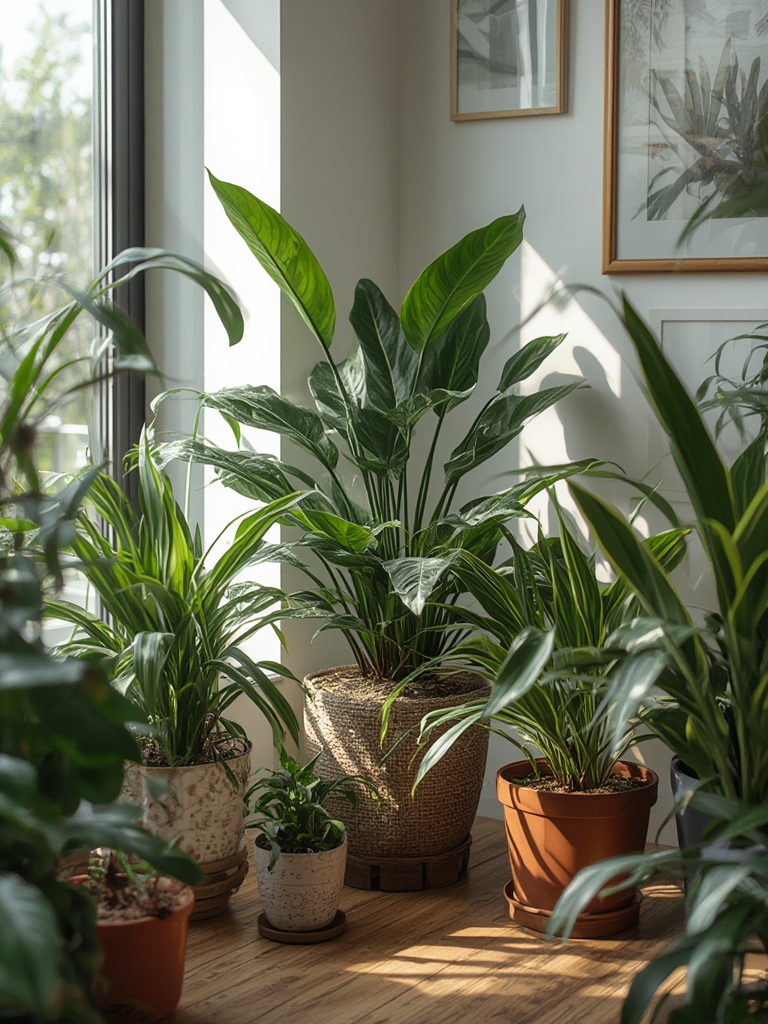
Place taller plants (e.g., Fiddle leaf fig) at the back of a shelf, medium‑height foliage (e.g., Peace lily) in the middle, and trailing vines (e.g., Pothos) in front. This creates a natural, garden‑like tiered effect.
Color Coordination
Use pot colors that complement the plant’s foliage. For example, pair deep‑green leaves with matte terracotta pots for a rustic look, or match bright variegated leaves with white ceramic containers for a modern vibe.
Seasonal Swaps
- Spring: Add a pop of pastel with African violet or Calathea.
- Summer: Introduce tropical hues using Alocasia or Bird’s‑nest fern.
- Fall: Use warm‑toned foliage like Philodendron ‘Pink Princess’ or a red‑tinged Coleus.
- Winter: Keep the garden lively with evergreen varieties such as ZZ plant and Snake plant, adding a few fairy lights for ambiance.
7. Data‑Driven Success Metrics
Track Growth
Measure plant height and leaf count monthly. A healthy indoor plant typically shows a 1‑2 inch increase in height per month during the growing season.
Monitor Soil Moisture
If you have a smart moisture sensor, set alerts for when moisture drops below 30% (low‑light) or 40% (bright‑light). This data helps fine‑tune watering frequency and prevents over‑ or under‑watering.
Adjust Based on Feedback
Use the collected data to adjust light placement, watering schedule, and fertilizer rates. Over a 3‑month period, you should see a reduction in leaf loss by at least 20% and an increase in new leaf production.
By following these structured, data‑backed steps, you’ll create an indoor garden that not only looks stunning but also thrives throughout the year. Happy planting!