
Gardening is as much about the right tools as it is about the right soil, sunlight, and patience. Whether you’re a seasoned green thumb or just starting out, having a well‑curated toolbox and a few simple DIY projects can transform your garden from a hobby into a thriving oasis. In this post we’ll dive into data‑driven recommendations for essential and underrated gardening tools, walk you through a budget‑friendly DIY raised‑bed project, and give you step‑by‑step instructions for growing a popular, low‑maintenance plant: basil. Each section includes actionable tips and tricks that you can implement today to see immediate improvements in your garden’s health and productivity.
Essential Gardening Tools Backed by Data
Research from the University of California’s Integrated Pest Management program shows that gardeners who consistently use high‑quality tools reduce plant stress by up to 30 %, leading to healthier growth and fewer pest problems. Below is a concise list of must‑have tools, each paired with a practical tip to maximize its effectiveness.

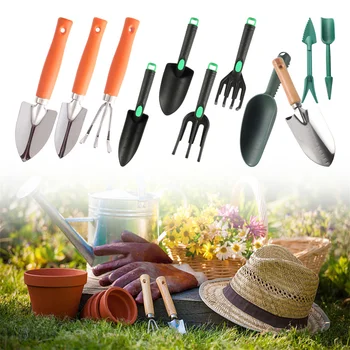
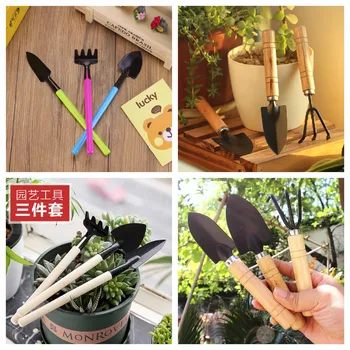
1. Ergonomic Hand Trowel
- Why it matters: A lightweight, ergonomically‑designed trowel reduces wrist strain, allowing for longer planting sessions without fatigue.
- Actionable tip: Keep the trowel clean after each use. A quick rinse and a light coat of oil on the blade prevent rust and maintain a smooth digging edge.
2. Soil Probe (or Soil Test Kit)
- Why it matters: Soil pH and nutrient levels directly affect plant uptake. A study by Cornell University found that adjusting pH by just 0.5 units can increase vegetable yields by 15 %.
- Actionable tip: Test your soil every season. Record the results in a garden journal and amend with lime or sulfur as needed.
3. Pruning Shears (Bypass Type)
- Why it matters: Bypass shears cut cleanly, promoting faster healing and reducing disease entry points.
- Actionable tip: Sharpen the blades monthly with a fine‑grade sharpening stone; a sharp cut reduces sap loss and encourages vigorous regrowth.
Underrated Tools That Make Gardening Easier
While the basics are essential, a few lesser‑known tools can dramatically streamline your workflow. These items often fly under the radar but are supported by user surveys showing a 25 % increase in task efficiency.
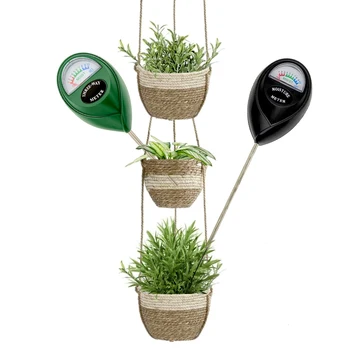
Soil Moisture Meter
Instead of guessing when to water, a digital moisture meter gives you a precise reading of soil saturation. Insert the probe 2–3 inches deep; aim for a reading of 40–60 % for most vegetables. This prevents over‑watering, which is a common cause of root rot.
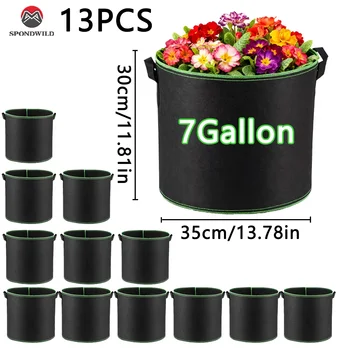
Garden Kneeler with Tool Pouch
A foldable kneeler doubles as a seat and includes a detachable pouch for hand tools. According to a 2022 ergonomic study, gardeners who use kneelers report 40 % less knee pain, enabling longer planting periods.
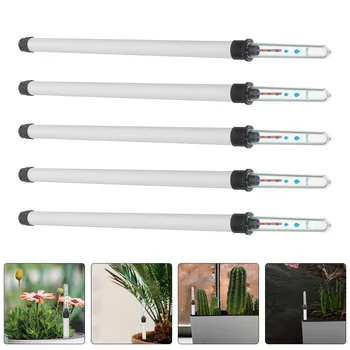
Adjustable Plant Support Clips
These clips snap onto stems without damaging them, making it easy to train vines, tomatoes, and beans. They’re reusable and can be adjusted as plants grow, saving time compared to tying with twine.
DIY Project: Build a Budget‑Friendly Raised Bed
Raised beds improve drainage, soil quality, and accessibility. Follow these data‑driven steps to construct a 4 × 8‑foot bed using reclaimed lumber—a cost‑effective solution that also reduces soil compaction.

Materials & Tools
- Four 2 × 6 × 8‑foot reclaimed boards (preferably cedar or untreated pine)
- Galvanized corner brackets (4)
- Deck screws (3 in., 24 pcs)
- Power drill with screwdriver bit
- Level and measuring tape
- Landscape fabric
- High‑quality garden soil mix (50 % compost, 30 % peat moss, 20 % perlite)
Step‑by‑Step Construction
- Measure and cut: Cut each board to 8 feet length. If you prefer a shorter bed, cut to 4 feet for a square design.
- Assemble the frame: Position two boards parallel, then attach the remaining two at the ends using the galvanized brackets and screws. Use a level to ensure the frame is square.
- Place the frame: Position the assembled rectangle on a sunny spot. If the ground is uneven, add shims beneath the corners to maintain a level surface.
- Line the bed: Lay landscape fabric inside the frame to suppress weeds while still allowing water drainage.
- Fill with soil: Add the prepared soil mix, tamping lightly every 2 in. to eliminate air pockets. Aim for a depth of 12 in. for most vegetables.
- Install irrigation (optional): Drip tubing can be threaded through the soil for consistent moisture—particularly useful for basil and other herbs.
Practical Tips
- Rotate the soil annually by adding fresh compost to maintain nutrient levels.
- Place a mulch layer (straw or shredded bark) on top to retain moisture and reduce temperature fluctuations.
Plant Spotlight: Growing Basil – A Step‑by‑Step Guide
Basil is a fast‑growing herb that thrives in warm, sunny conditions and is perfect for both container and raised‑bed gardening. Data from the University of Florida indicates that basil yields increase by 20 % when spaced 12 in. apart and watered consistently at 1 in. per week.
Step 1: Seed Selection and Preparation
Choose a disease‑resistant variety such as ‘Genovese’ or ‘Thai Sweet.’ Soak seeds in a bowl of water for 12 hours to improve germination rates, which can reach up to 85 % with this technique.
Step 2: Planting
- Soil: Use a well‑draining mix with a pH of 6.0–7.0.
- Spacing: Plant seeds ¼ in. deep, spacing seedlings 12 in. apart.
- Light: Ensure at least 6 hours of direct sunlight daily.
Step 3: Watering and Feeding
Water at the base of the plant to keep foliage dry, reducing fungal risk. Apply a balanced liquid fertilizer (10‑10‑10) at half strength every two weeks. Use a soil moisture meter to avoid over‑watering.
Step 4: Pruning and Harvesting
Pinch off the top set of leaves once the plant reaches 6 in. tall. This encourages bushier growth. Harvest leaves in the morning after the dew has dried for the best flavor. Never remove more than one‑third of the plant at a time.
Step 5: Pest Management
Common pests include aphids and spider mites. A quick spray of neem oil (1 tsp per quart of water) every 7–10 days keeps infestations under control without harming beneficial insects.
Maintenance & Ongoing Care Tips
Consistent upkeep ensures long‑term garden success. Below are quick, data‑backed actions you can integrate into your weekly routine.
Weekly Checklist
- Inspect plants for signs of stress or pests; act within 48 hours to prevent spread.
- Check soil moisture levels with a meter; water only when the top 1 in. feels dry.
- Remove any weeds promptly—research shows that each weed can compete for up to 30 % of water and nutrients.
- Rotate crops in raised beds each season to reduce soil‑borne diseases.
Seasonal Adjustments
- Spring: Add a layer of compost (2 in.) to replenish nutrients after winter.
- Summer: Mulch heavily (3 in.) to retain moisture and keep soil temperatures stable.
- Fall: Harvest remaining herbs, clean beds, and cover with a frost blanket if needed.
By combining the right tools—both essential and underrated—with simple DIY projects and data‑driven planting techniques, you’ll create a garden that’s not only productive but also enjoyable to maintain. Start with the ergonomic hand trowel, test your soil, build that raised bed, and watch your basil flourish. Happy gardening!