Creating a garden that looks vibrant year‑round doesn’t have to be a full‑time job. By focusing on low‑maintenance perennials that thrive in your climate, you can enjoy continuous color, texture, and fragrance with minimal effort. This guide walks you through a data‑driven approach to designing a “set‑and‑forget” garden, complete with step‑by‑step planting, watering, and care instructions that are backed by USDA hardiness zones, soil pH preferences, and sunlight requirements.
Step 1: Choose the Right Perennials for All‑Season Interest
Data‑Driven Plant Selection
- Early Spring: Heuchera (Coral Bells) – thrives in zones 4‑9, prefers partial shade, and tolerates a wide pH range (5.5‑7.5).
- Late Spring to Summer: Echinacea purpurea (Purple Coneflower) – zones 3‑9, full sun, needs well‑drained soil with pH 6.0‑7.5.
- Summer to Early Fall: Lavandula angustifolia (English Lavender) – zones 5‑9, full sun, best in alkaline soils (pH 6.7‑7.3).
- Fall: Aster novae-angliae (New England Aster) – zones 3‑8, full sun to part shade, tolerates pH 5.5‑7.5.
- Winter Interest: Helleborus orientalis (Lenten Rose) – zones 4‑9, part shade, prefers slightly acidic to neutral soil (pH 6.0‑7.0).
These five perennials provide a staggered bloom calendar, ensuring that at least one plant is in peak display during each season. Use the USDA zone map to confirm suitability for your region.
Step 2: Prepare the Soil – The Foundation of Success
Test, Amend, and Mulch
- Soil Test: Purchase a DIY kit or send a sample to your local extension service. Record pH, organic matter, and drainage rating.
- Amend Based on Results:
- If pH < 6.0 (acidic), add lime at 5 lb per 100 sq ft.
- If pH > 7.5 (alkaline), incorporate elemental sulfur at 2 lb per 100 sq ft.
- Boost organic matter with 2‑3 inches of compost for improved moisture retention.
- Improve Drainage: In heavy clay, mix in coarse sand or fine gravel at a 1:4 ratio (sand:soil).
- Mulch: Apply a 2‑inch layer of shredded bark or pine needles after planting. Mulch conserves moisture, suppresses weeds, and adds a tidy look.
Step 3: Planting Layout – Design for Low Effort and High Impact
Creating a Simple, Repeating Pattern
Use a 3‑by‑3 grid as a visual guide. Place taller perennials (Lavender, Coneflower) at the back or center, medium‑height plants (Heuchera, Aster) in the middle, and low‑growth varieties (Helleborus) toward the front. This arrangement reduces the need for frequent pruning and ensures each plant receives adequate sunlight.
Spacing Guidelines
- Lavender: 18‑24 inches apart.
- Coneflower: 24‑30 inches apart.
- Heuchera: 12‑18 inches apart.
- Aster: 18‑24 inches apart.
- Helleborus: 12‑15 inches apart.
Follow these distances to prevent overcrowding, which can lead to disease and extra watering.
Step 4: Watering Strategy – Optimize for Minimal Maintenance
Smart Irrigation Tips
- Initial Deep Watering: After planting, water each hole with 1 gallon of water to settle the root zone.
- Establishment Phase (Weeks 1‑4): Water twice weekly, delivering 0.5 inches per session. Use a rain gauge or a simple 2‑liter bottle placed in the soil as a visual cue.
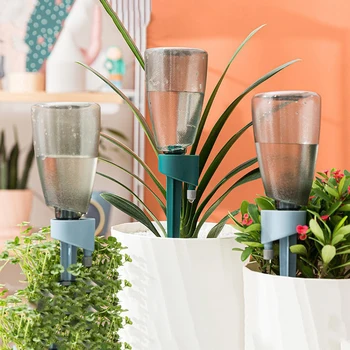
- Established Plants: Switch to a “deep, infrequent” schedule—once every 10‑14 days, providing 1‑1.5 inches. This encourages deep root growth and reduces weed competition.
- Rain Sensor: If you have a drip system, attach a rain sensor to pause watering after >0.2 inches of rain.
Water Conservation Hacks
- Group plants with similar water needs together (e.g., Lavender and Coneflower).
- Install a soaker hose beneath the mulch layer for slow, even distribution.
- Collect rainwater in a 50‑gallon barrel; it’s slightly acidic, which benefits Heuchera.
Step 5: Ongoing Care – Keep the Garden Thriving with Minimal Effort
Seasonal Checklist
| Season | Task | Quick Tip |
|---|---|---|
| Spring | Divide Heuchera clumps, prune dead foliage. | Use a garden fork; divide when soil is moist. |
| Summer | Deadhead spent blooms on Coneflower and Aster. | Pinch off flower heads to promote a second flush. |
| Fall | Apply a thin layer of compost around bases. | Works as a slow‑release fertilizer for winter. |
| Winter | Inspect mulch depth; add more if it thins. | Protect Lavender with a burlap screen in extreme cold. |
Low‑Effort Pest Management
- Slugs: Scatter diatomaceous earth around Heuchera after rain.
- Aphids: Spray a mild neem oil solution (1 tsp per quart water) early in the morning.
- Powdery Mildew: Increase air circulation by trimming overlapping branches; apply a potassium bicarbonate spray if needed.
Step 6: Harvest and Enjoy – Turning Your Garden into a Living Space
Practical Uses for Each Plant
- Heuchera: Harvest leaves for a colorful salad garnish.
- Coneflower: Cut stems for fresh bouquets; seeds are great for bird feeders.
- Lavender: Dry stems for sachets, potpourri, or culinary infusions.
- Aster: Use blooms in autumn arrangements; they attract pollinators late in the season.
- Helleborus: Enjoy the early‑season flowers as a natural centerpiece.
Creating a Relaxation Nook
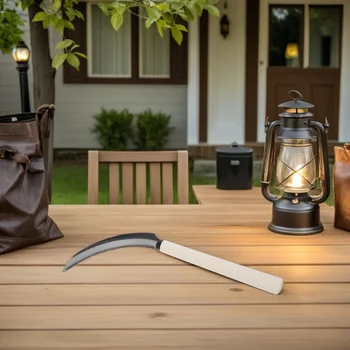
Place a simple wooden bench or a weather‑proof chair near the center of the grid. Position a small solar lantern to illuminate the garden after dusk. The combination of year‑round color and a cozy seating area turns your low‑effort garden into a personal retreat.
SEO Boost: How to Make This Post Rank
Keyword Integration
Target long‑tail phrases such as “low maintenance perennial garden,” “year‑round garden perennials,” and “easy garden design for beginners.” Sprinkle these naturally in headings, first paragraph, and alt‑text for images (e.g., alt="Heuchera coral bells in partial shade").
Internal & External Linking
- Link to a local cooperative extension service page for soil testing kits.
- Reference a reputable USDA hardiness zone map for credibility.
- Include an internal link to a related post on “How to Build a DIY Drip Irrigation System.”
Structured Data & Meta Description
Use schema.org’s Article markup to highlight the author, publish date, and featured image. Write a concise meta description (155 characters) like: “Design a low‑effort, year‑round garden with five easy‑care perennials. Follow data‑driven steps for planting, watering, and maintenance.”
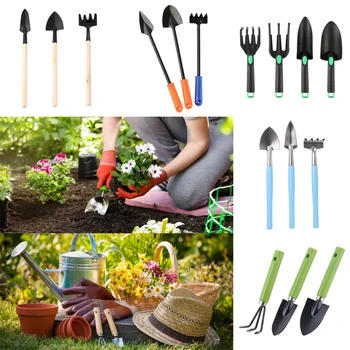
By following this step‑by‑step, data‑backed plan, you’ll create a garden that looks polished without demanding daily attention. The combination of smart plant selection, proper soil preparation, efficient watering, and seasonal upkeep ensures that your garden stays vibrant from the first spring buds to the winter hush of Helleborus.