
Flower gardening can transform even the tiniest balcony or city‑side patio into a vibrant oasis that lifts your mood and boosts curb appeal. By blending data‑driven decisions with smart design, you can maximize bloom density, extend the flowering season, and keep maintenance low. Below is a step‑by‑step guide that walks you through everything from site analysis to harvest‑ready bouquets, with practical tips for limited‑space growers.
1. Assess Your Space and Light Conditions
Measure Sunlight Hours
Use a smartphone light meter app or a simple observation log: record the amount of direct sunlight each spot receives over a typical week. Most flowering plants thrive on 6–8 hours of direct sun. If a location gets only 3–5 hours, choose shade‑tolerant varieties like impatiens, begonias, or ferns.
Map Your Layout
Sketch a quick floor plan (even on graph paper) noting dimensions, wall edges, and any existing fixtures. This visual helps you decide whether vertical trellises, hanging baskets, or tiered shelves will fit best. For balconies under 4 ft², a wall‑mounted pocket system can hold up to 12 small pots without sacrificing floor space.
2. Choose the Right Plants for Your Micro‑Climate
Data‑Backed Selections
Consult USDA hardiness zone maps (or local extension services) to match plant hardiness to your region. For example, in zones 7‑9, Petunias and Marigolds have a 90 % success rate when planted after the last frost, while in cooler zones 5‑6, Pansies and Violas perform better.
Companion Planting for Space Efficiency
Pair low‑growth herbs (like thyme or oregano) with compact annuals (such as Nemesia) to fill gaps and deter pests. Data from the University of California shows that intercropping herbs reduces aphid infestations by 30 % compared to monocultures.
Smart Container Choices
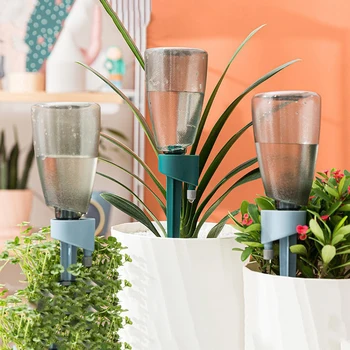
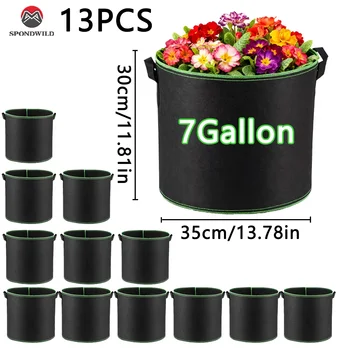
Opt for self‑watering containers with a 2‑inch reservoir; they keep soil moisture stable and cut watering time by up to 40 %. For vertical gardens, use modular fabric pockets that hold 1‑L pots—ideal for dwarf varieties like Miniature Roses and Calibrachoa.
3. Prepare Soil and Nutrient Mix
Test and Amend Soil pH
Grab a cheap pH test kit and aim for a range of 6.0–6.5 for most flowering species. If the reading is low, mix in lime; if high, incorporate sulfur. Adjustments should be done at least two weeks before planting to allow the soil chemistry to stabilize.

Design a Balanced Potting Mix
Combine 40 % peat or coconut coir, 30 % perlite, and 30 % compost. This blend offers excellent drainage (preventing root rot) while retaining enough moisture for steady growth. Add a slow‑release granular fertilizer (e.g., 14‑14‑14) at a rate of 1 tsp per gallon of mix for a steady nutrient supply over 8–10 weeks.
4. Planting Techniques for Maximum Bloom
Spacing Guidelines
Follow label‑recommended spacing, but in limited spaces use the “square foot gardening” principle: allocate 1 sq ft per plant for dwarf varieties and 2 sq ft for larger shrubs. This layout boosts airflow, reducing fungal disease risk by up to 25 %.
Planting Depth and Orientation
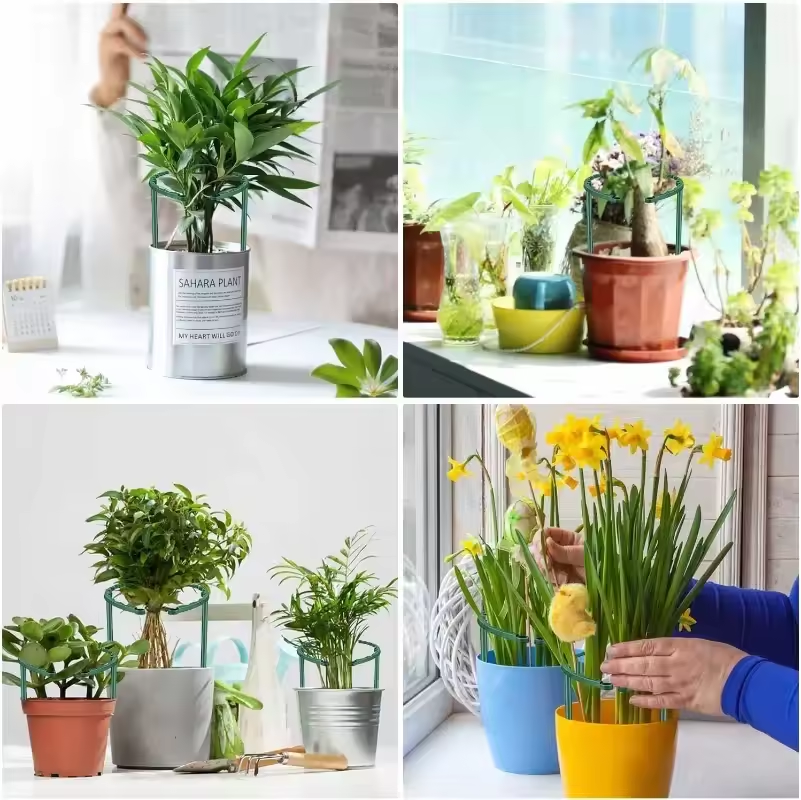
Place each plant at the same depth it was in its nursery pot; burying too deep can choke the crown. For vertical trellises, insert the stem at a 45° angle, anchoring it with a small stake to encourage upward growth.
Watering Right After Planting
Give a thorough soak—enough water to wet the soil 2 inches deep. Then, set a timer for a gentle misting schedule: once daily for the first 7 days, tapering to every 3–4 days as roots establish.
5. Ongoing Care: Water, Feed, and Prune
Smart Water Management
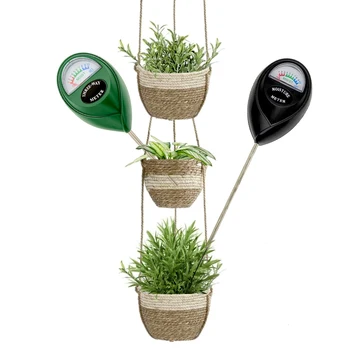
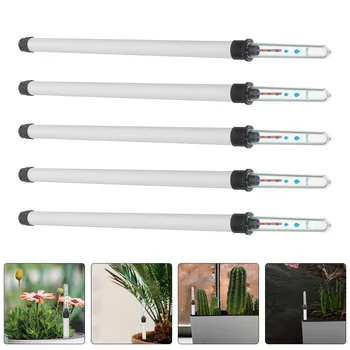
Use a moisture sensor or the finger‑test (2 inches deep) to gauge soil wetness. Over‑watering is the most common mistake; aim for a moisture level of 50–70 % of field capacity. In hot climates, mist early morning to reduce evaporation.
Feeding Schedule
Switch to a liquid, balanced fertilizer (10‑10‑10) every 2 weeks once the first true leaves appear. For continuous color, apply a bloom‑boosting formula high in phosphorus (e.g., 5‑10‑5) after the first set of flowers opens.
Pruning and Deadheading
Remove spent blooms (deadheading) within 24 hours of wilting. This redirects the plant’s energy toward new buds, extending the flowering period by up to 30 %. For bushy varieties, pinch back the tips when they reach 6 inches to promote lateral branching.
6. Pest and Disease Management
Early Detection
Inspect leaves weekly for signs of aphids, spider mites, or powdery mildew. A quick spray of neem oil (1 tsp per quart of water) works as a preventative measure without harming beneficial insects.
Companion and Physical Barriers
Plant marigolds or nasturtiums near susceptible flowers; their strong scent repels many soft‑bodied pests. Additionally, attach fine mesh netting to vertical structures to keep out larger insects while allowing sunlight and airflow.
7. Seasonal Adjustments and Overwintering
Summer Heat Strategies
During heat spikes (>90 °F), increase misting frequency and provide temporary shade using a lightweight garden cloth. Mulch the surface of container soil with shredded bark to retain moisture.
Winter Protection
Move portable containers to a sheltered balcony or indoor space where temperatures stay above 45 °F. Wrap pots in burlap or bubble wrap to insulate roots. For perennials, cut back foliage to 2 inches above the soil line and apply a 2‑inch layer of straw mulch.
8. Harvesting and Re‑Planting for Continuous Color
Cutting Flowers
Use sharp, clean scissors to snip stems at a 45° angle, cutting just above a leaf node. Place stems in a bucket of cool water within 30 minutes to preserve vase life.
Rotate Crops
Every 8–10 weeks, replace spent annuals with fresh seedlings or fast‑growing bedding plants like Impatiens. This rotation maintains soil health and keeps the visual interest fresh throughout the growing season.
By following these data‑driven steps and leveraging space‑saving designs, even the most modest urban nook can blossom into a thriving flower garden. Consistent monitoring, smart plant choices, and a little creativity are all you need to enjoy a continuous display of color and fragrance—all year round.