
Welcome to your step‑by‑step guide on sustainable gardening – a practical, data‑backed approach that helps you grow a thriving garden while reducing your environmental footprint. By integrating proven techniques such as water‑wise irrigation, native plant selection, and organic soil management, you’ll create a resilient garden that supports biodiversity, conserves resources, and delivers bountiful harvests.
1. Plan with Purpose: Choose the Right Site and Plants
Assess Sunlight, Soil, and Microclimate
- Sunlight mapping: Use a simple sun‑tracking app or a notebook to record the amount of direct sun each area receives over a typical week. Aim for at least 6 hours of sun for most vegetables, but consider shade‑tolerant greens for partially shaded spots.
- Soil testing: A DIY soil test kit can reveal pH, organic matter, and nutrient levels. Target a pH of 6.0–7.0 for most garden crops; amend with lime or sulfur as needed.
- Microclimate notes: Note wind patterns, frost pockets, and heat‑absorbing surfaces (like walls or driveways) that can affect plant performance.
Select Native and Drought‑Resistant Species
- Native plants are adapted to local conditions, often requiring 30‑50 % less water than non‑native varieties (USDA data).
- Examples for temperate zones: Coreopsis, Echinacea, and Salvia. For Mediterranean climates: Lavandula, Thymus, and Olea europaea (olive).
- Mix perennials with annuals to maintain year‑round cover, reducing soil erosion and weed pressure.
2. Build Healthy Soil: The Foundation of Sustainability
Compost and Organic Matter
- Start a kitchen compost bin; aim for a 2:1 carbon‑to‑nitrogen ratio (e.g., shredded newspaper + vegetable scraps).
- Apply a 2‑inch layer of finished compost to beds each spring. This can increase soil organic matter by up to 15 % within a year, improving water retention.
- Incorporate cover crops such as clover or rye during off‑season months. They fix nitrogen and suppress weeds, reducing the need for synthetic fertilizers.
Mulching for Moisture and Weed Control
- Use organic mulches (straw, wood chips, shredded leaves) at a depth of 3‑4 inches. Mulch can cut evaporation by up to 70 % (University of California Extension).
- Re‑apply mulch annually to maintain a protective barrier and add organic matter as it decomposes.
- For a decorative touch, combine mulch with low‑maintenance groundcovers like Thymus serpyllum (creeping thyme).
3. Water Wisely: Reduce Consumption While Keeping Plants Healthy
Install Efficient Irrigation Systems
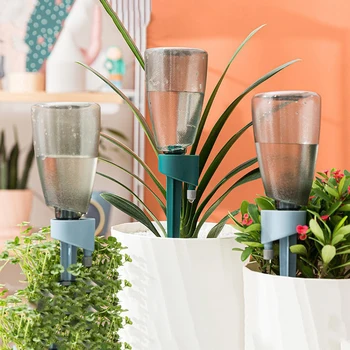
- Drip irrigation: Delivers water directly to the root zone, reducing loss to evaporation by 30‑50 % compared with overhead sprinklers.
- Smart timers: Program watering early morning (4–6 am) when temperatures are low, and adjust based on rainfall sensors.
- Use a flow‑meter to track gallons per week; aim for a target of 0.5–1 gallon per square foot for most vegetable beds.
Rainwater Harvesting
- Install a 200‑gallon rain barrel with a fine mesh screen to collect runoff from roof gutters.
- Use a simple diverter valve to prevent overflow and direct excess water to a soakaway or dry creek bed.
- Harvested water is typically softer (lower in chlorine) than tap water, benefiting sensitive plants.
4. Integrated Pest Management (IPM): Keep Pests in Check Without Harmful Chemicals
Monitor and Identify
- Perform weekly visual inspections; use a magnifying glass to spot early signs of aphids, spider mites, or fungal spores.
- Maintain a pest log with dates, species, and severity. Over time, patterns emerge that guide preventive actions.
Biological Controls and Habitat Enhancement
- Plant insectary strips with yarrow, buckwheat, and marigold to attract beneficial insects like lady beetles and parasitic wasps.
- Install a small bat house or bird feeder; bats and birds consume large quantities of nocturnal insects.
- Use neem oil or insecticidal soap only as a last resort, applying early in the morning or late afternoon to protect pollinators.
5. Harvest and Maintain: Keep the Garden Productive Year After Year
Crop Rotation and Succession Planting
- Rotate families (e.g., legumes → brassicas → nightshades) every season to break pest cycles and balance soil nutrients.
- Plan succession planting: sow a new batch of fast‑growing greens (radish, lettuce) every 2‑3 weeks for continuous harvest.
Seasonal Clean‑Up and Soil Renewal
- At season’s end, cut back perennials to a few inches above ground, leaving roots intact for spring regrowth.
- Remove spent plant material to reduce disease carryover, but compost disease‑free parts.
- Apply a light top‑dressing of compost or aged manure before winter to replenish nutrients.
6. Track Your Success: Data‑Driven Adjustments
Simple Garden Journal
- Record planting dates, varieties, yields, water usage, and any pest incidents.
- Use a spreadsheet or free garden‑tracking app to visualize trends; for example, a 10 % increase in yield after adding a 2‑inch mulch layer.
Measure Environmental Impact
- Calculate water savings: compare gallons used before and after drip installation. Many gardeners report a reduction of 40‑60 %.
- Track carbon reduction by noting the amount of compost produced versus commercial fertilizer purchased.
- Share your data on social media or local gardening forums to inspire community adoption.
By following these evidence‑based steps, you’ll cultivate a garden that not only flourishes but also contributes positively to the planet. Sustainable gardening is a continuous learning process—use the data you collect to refine your practices, experiment with new native varieties, and enjoy the rewarding blend of productivity and environmental stewardship.