
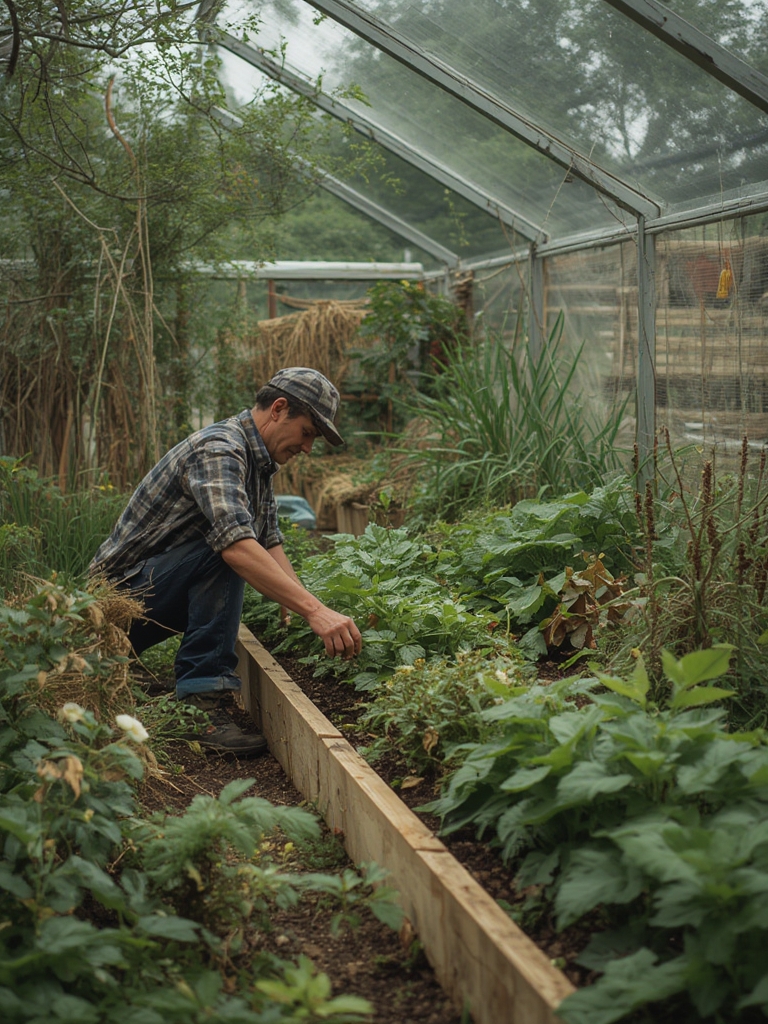
Welcome to your sustainable gardening journey! This guide walks you through data‑backed, eco‑friendly practices that will help you grow vibrant, healthy flowers while conserving resources and supporting local biodiversity. By following these steps, even beginners can create a thriving garden that looks great and does good for the planet.
1. Choose the Right Plants for Your Climate
Start with a plant list that matches your USDA hardiness zone, soil type, and sunlight exposure. According to the USDA NRCS soil health data, native and well‑adapted species require up to 30% less water and fertilizer than non‑native alternatives.

Actionable Tips
- Research native perennials: In zones 5‑7, consider Echinacea purpurea, Rudbeckia hirta, and Coreopsis verticillata. These plants attract pollinators and thrive with minimal inputs.
- Use online zone finders: Input your zip code on the Garden.org Plant Finder to generate a tailored list.
- Plan for succession: Choose varieties that bloom at different times to ensure continuous color from spring to fall.
2. Prepare Soil with Sustainable Amendments
Healthy soil is the foundation of any garden. A 2022 study from the Journal of Sustainable Agriculture shows that adding compost reduces the need for synthetic fertilizers by 40% while improving water retention.
Step‑by‑Step Soil Prep
- Test your soil: Use a DIY kit or send a sample to your local extension service. Look for pH (ideal 6.0‑6.8) and nutrient levels (N‑P‑K).
- Incorporate organic matter: Spread a 2‑inch layer of well‑rotted compost and work it into the top 6‑8 inches of soil.
- Add mycorrhizal fungi: These beneficial microbes enhance root absorption. Sprinkle a handful per square foot and lightly mix.
- Mulch for moisture: Apply 3‑4 inches of shredded bark or straw to suppress weeds and keep soil temperature stable.
Practical Tips
- Reuse kitchen scraps (vegetable peels, coffee grounds) to boost compost nutrients.
- Rotate compost piles every 3‑4 months to maintain aerobic conditions and prevent odor.
- Consider a cover crop like clover during the off‑season to fix nitrogen naturally.
3. Water Wisely with Conservation in Mind
Efficient irrigation saves water and prevents root diseases. Data from the EPA WaterSense program indicates drip irrigation can cut water use by up to 50% compared with overhead sprinklers.
Watering Schedule
- Morning watering: Aim for 6‑8 am to reduce evaporation.
- Depth over frequency: Water until the soil is moist 6 inches deep; this encourages deep root growth.
- Use a rain gauge: Track natural precipitation and adjust supplemental watering accordingly.
Actionable Tricks
- Install a drip line with a timer set to 15‑20 minutes per zone, depending on soil type.
- Group plants with similar water needs together (hydrozoning) to avoid over‑watering.
- Collect rainwater in a 200‑gallon barrel; a single barrel can provide enough water for a 100‑square‑foot garden during a dry spell.
4. Implement Integrated Pest Management (IPM)
IPM reduces reliance on chemical pesticides by combining monitoring, cultural, biological, and mechanical controls. The University of California Integrated Pest Management Program reports a 70% drop in pesticide use when IPM is applied consistently.
Monitoring and Identification
- Inspect plants weekly for signs of damage or pests.
- Use a magnifying glass to identify insects; beneficial predators (ladybugs, lacewings) are allies.
- Keep a garden journal to track pest patterns and weather conditions.
Control Strategies
- Cultural: Rotate crops annually and maintain proper spacing for airflow.
- Mechanical: Hand‑pick pests or use row covers during peak infestation periods.
- Biological: Introduce nematodes for soil‑dwelling larvae or spray a neem oil solution (1 tsp per gallon) for aphids.
- Chemical (last resort): Choose organic options like spinosad, applying only when thresholds exceed 5% leaf damage.
5. Encourage Pollinators and Biodiversity
Pollinator-friendly gardens boost fruit set and seed production. A 2021 pollinator index shows that planting a mix of native flowering species can increase local bee populations by 25% within two years.
Planting Strategies
- Provide a continuous bloom sequence: early‑season Salvia nemorosa, mid‑season Liatris spicata, and late‑season Aster novae-angliae.
- Include a water source: a shallow birdbath with pebbles offers safe landing spots.
- Install nesting habitats: leave a small pile of bare soil or a bee house for solitary bees.
Quick Wins
- Replace a 10‑square‑foot lawn patch with a wildflower meadow; this can attract up to 15 different pollinator species.
- Use pesticide‑free zones near flowering beds to protect foraging insects.
6. Harvest and Maintain for Ongoing Success
Regular maintenance extends the life of your garden and maximizes sustainable yields.

Harvest Practices
- Pick spent blooms early in the morning when nectar levels are highest.
- Deadhead regularly to encourage rebloom; this also prevents seed set that could become weeds.
- Save seeds from native varieties for next season—store them in a cool, dry container labeled with date and species.
Seasonal Care
- Fall: Apply a thin layer of compost and mulch to protect roots over winter.
- Spring: Conduct a soil test again and top‑dress with compost if nutrients are low.
- Summer: Monitor moisture levels daily; increase drip irrigation during heat waves.
7. Track Your Progress with Data
Using simple metrics helps you refine practices and share results with the community.
Key Metrics to Record
- Water usage (gallons per week)
- Compost volume added (cubic feet)
- Number of pollinator visits (count per hour)
- Yield of flowers (stems per plant)
Tools and Apps
- Gardenize: Log plant health, watering, and observations.
- Smart irrigation controllers: Connect to weather APIs for automated adjustments.
- Google Sheets: Create a simple dashboard to visualize trends over months.
By integrating these data‑driven steps, you’ll cultivate a sustainable garden that not only dazzles with color but also supports the environment. Remember, consistency and observation are the keys—adjust as you learn, and enjoy the rewarding process of watching your garden flourish responsibly.
