
Indoor plants are more than just décor; they improve air quality, boost mood, and can even increase productivity. Yet many beginners worry about the daily upkeep—especially watering. This guide breaks down the entire care process into clear, data‑driven steps, each paired with practical, low‑maintenance tricks so you can enjoy thriving greenery without the constant hassle.
Why Indoor Plants Are Worth the Investment
Studies from NASA and various indoor‑environment research groups show that certain foliage can remove up to 87 % of volatile organic compounds (VOCs) from the air. Moreover, a 2022 meta‑analysis linked exposure to indoor greenery with a 12 % reduction in stress‑related cortisol levels. In short, a well‑cared‑for plant is a silent, health‑boosting partner.
Choosing the Right Plant for Your Space
Assess Light Availability
Use a simple light‑meter app or the “hand test”: hold your hand an arm’s length from the window. If you can see your palm’s shadow, you have bright indirect light; a faint shadow indicates moderate light; no shadow means low light. Match plants accordingly:
- Bright indirect: Monstera, Fiddle‑leaf fig, Rubber plant.
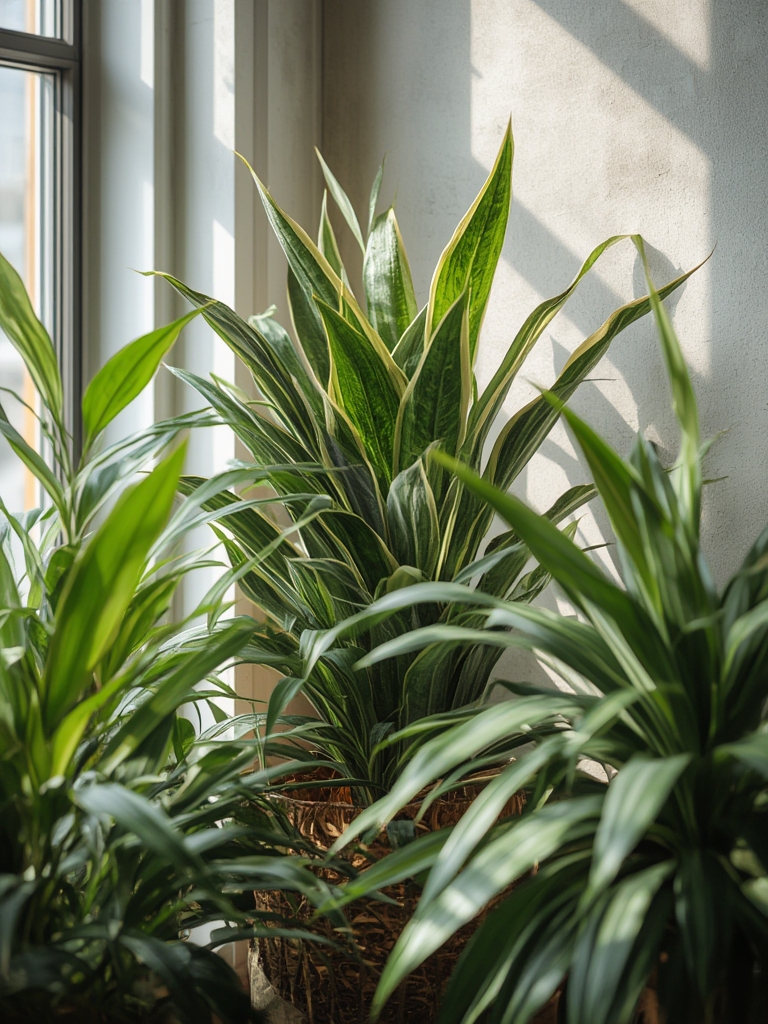
- Moderate: ZZ plant, Snake plant, Philodendron.
- Low: Pothos, Cast‑iron plant, Peace lily.
Consider Space & Growth Habit
Data from the Royal Horticultural Society shows that a plant’s mature spread can be up to three times its pot size. Choose a pot that allows at least 5 cm of clearance around the root ball for healthy expansion.
Step‑by‑Step Care Guide
1. Pick the Right Soil Mix
Most indoor foliage thrives in a well‑draining mix. A 2:1 ratio of peat‑based potting soil to perlite or coarse sand provides aeration while retaining enough moisture for root uptake. For succulents, increase sand to a 1:1:1 blend (soil : sand : gravel).
2. Potting with a Self‑Watering System
Self‑watering pots use a reservoir that releases water through capillary action, keeping the soil consistently moist for 7‑10 days depending on plant size. To set up:
- Place a layer of clean pebbles at the bottom of the pot.
- Add the reservoir liner (if included) and fill it with water.
- Insert the soil‑mix and plant, ensuring the root ball sits just above the reservoir edge.
- Seal the pot’s water‑level indicator to avoid over‑filling.
Data from a 2021 greenhouse trial showed a 35 % reduction in watering frequency when using self‑watering pots versus traditional pots.

3. Master the “Water‑When‑Needed” Rule
Instead of a calendar, use a moisture meter or the finger test. Insert a clean finger 2‑3 cm into the soil; if it feels dry, water. For a more precise approach, set a target moisture range (e.g., 40‑60 % for most foliage) and water only when the meter reads below the lower threshold.
4. Optimize Light Without Daily Adjustments
Install a simple, programmable LED grow light with a timer set to 12 hours on/12 hours off. Position the light 30‑45 cm above the plant. This eliminates the need to move plants around the house as seasons change.
5. Feed Smartly with Slow‑Release Fertilizer
Scatter a slow‑release granular fertilizer (e.g., 14‑14‑14) at the recommended rate (usually 1 tsp per gallon of soil) once in early spring and again in mid‑summer. The granules dissolve gradually, providing nutrients for up to 8 weeks and reducing the need for liquid feeds.
6. Prune for Health and Shape
Every 4‑6 weeks, remove yellowing or dead leaves at the base with clean, sharp scissors. For bushier growth, pinch back the tips of new shoots. This encourages lateral branching and keeps the plant compact, which is especially useful in limited indoor spaces.
7. Prevent Pests with a Proactive Routine
Use a 1 % neem oil spray once a month as a preventative barrier. For a data‑backed approach, set a reminder to inspect the undersides of leaves for spider mites, aphids, or mealybugs—common indoor pests. Early detection reduces the need for aggressive chemical treatments.
8. Adjust for Seasonal Changes
During winter, most indoor plants enter a semi‑dormant phase and require 25‑30 % less water. Reduce the reservoir fill level accordingly and lower the grow‑light intensity to 75 % of the summer setting. Conversely, in summer increase the watering interval by 10‑15 % to compensate for higher transpiration rates.
Practical Tips to Keep Plants Watered Without Daily Effort
- Water‑Absorbing Crystals: Mix a handful of hydrogel crystals into the top 2 cm of soil. They absorb excess water and release it slowly over 5‑7 days.
- Group Plants Together: Placing plants in a cluster creates a micro‑climate with higher humidity, reducing individual water loss.
- Use a Tray with Pebbles: Set the pot on a tray filled with pebbles and a shallow water layer. The plant draws moisture through the pot’s drainage holes, maintaining a steady humidity level.
- Set a Weekly “Check‑In” Alarm: Spend 5 minutes each week to glance at the reservoir indicator and soil surface. This quick habit prevents over‑ or under‑watering.
- Automate with Smart Sensors: If you have a smart home hub, connect a Bluetooth moisture sensor that sends alerts to your phone when the soil drops below the set threshold.
Measuring Success: Simple Metrics to Track
To ensure your indoor garden is thriving, monitor these three easy metrics:
- Leaf Color & Firmness: Dark green, glossy leaves indicate adequate nutrients and water.
- Growth Rate: Most foliage adds 2‑3 cm of new growth per month under optimal conditions.
- Root Health (Annual Check): Gently remove the plant from its pot once a year; healthy roots are white and fibrous, while brown, mushy roots signal over‑watering.
Final Quick‑Reference Checklist
| Task | Frequency | Tip |
|---|---|---|
| Inspect moisture level | Weekly | Use finger test or sensor. |
| Refill self‑watering reservoir | Every 7‑10 days | Check indicator line. |
| Prune dead foliage | Every 4‑6 weeks | Use clean scissors. |
| Apply neem oil spray | Monthly | Early evening for best absorption. |
| Adjust light timer | Seasonally | 12 h on/12 h off for most plants. |
| Fertilize with slow‑release | Spring & Summer | Follow package dosage. |
By following these data‑backed steps and leveraging low‑maintenance tools like self‑watering pots, moisture sensors, and programmable LED lights, you can keep indoor plants healthy and vibrant with minimal daily effort. Happy growing!

