Welcome to your ultimate guide on sustainable gardening—a green, budget‑friendly approach that not only nurtures thriving plants but also supports the planet. Whether you’re a city dweller with a sunny balcony or a homeowner with a backyard, this step‑by‑step plan will help you create a low‑impact garden that cleans the air, conserves resources, and adds natural beauty to your space. Below you’ll find data‑driven techniques, practical tips, and actionable advice for each stage, plus a curated list of indoor plants that excel at purifying air, require minimal maintenance, and look stunning in any décor.
Why Choose Sustainable Gardening?
Research from the Journal of Environmental Management shows that gardens using organic soil amendments and water‑saving practices can reduce household water use by up to 30 % while increasing biodiversity. Sustainable gardening also cuts down on chemical runoff, improves soil health, and creates habitats for pollinators—key factors for long‑term ecological balance.
Step 1: Assess Your Space and Climate
Measure Sunlight Exposure
Use a simple sunlight tracker app or a DIY method: place a piece of white paper on the ground and note the shadow length at 9 am, noon, and 3 pm for a week. Record the hours of direct sun—most sustainable plants need 4–6 hours of light.
Check Soil Type
Perform a jar test: fill a clear jar with soil, water, and shake. Let it settle for 24 hours. Sand settles fastest, then silt, then clay. Aim for loamy soil (balanced sand, silt, and clay) for optimal drainage and nutrient retention.
Actionable Tip
Map your garden zones on graph paper, labeling each area with its sun exposure (full sun, partial shade, full shade). This visual guide will streamline plant placement and reduce trial‑and‑error.
Step 2: Choose Sustainable Plants
Best Indoor Air‑Purifying Plants
- Snake Plant (Sansevieria trifasciata) – Removes formaldehyde and thrives on low light.
- Peace Lily (Spathiphyllum) – Excellent for removing benzene and trichloroethylene; blooms with minimal care.
- Spider Plant (Chlorophytum comosum) – Great for beginners; filters xylene and carbon monoxide.
- ZZ Plant (Zamioculcas zamiifolia) – Tolerates drought and low light, perfect for office corners.
- Aloe Vera – Provides medicinal gel and absorbs pollutants like formaldehyde.
Outdoor Sustainable Selections
- Native Wildflowers – Support local pollinators and require no extra watering once established.
- Herbs (Basil, Mint, Rosemary) – Harvestable, low‑maintenance, and deter pests naturally.
- Perennial Vegetables (Asparagus, Kale) – Provide harvests year after year, reducing seed purchases.
- Compost‑Ready Cover Crops (Clover, Buckwheat) – Improve soil nitrogen and suppress weeds.
Actionable Tip
When selecting plants, prioritize those rated “low water” and “native” by the USDA Plant Hardiness Zone map. This ensures they’re already adapted to your climate, cutting down on irrigation needs.
Step 3: Build Healthy Soil the Eco‑Friendly Way
Start a Compost Bin
Collect kitchen scraps (fruit peels, coffee grounds) and garden waste (leaf litter, grass clippings). A balanced carbon‑to‑nitrogen ratio of 30:1 accelerates decomposition. Turn the pile weekly to maintain aeration and speed up the process.
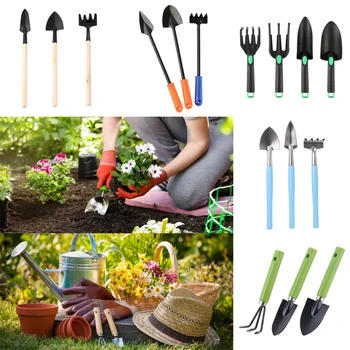
Use Organic Amendments
Incorporate worm castings (rich in beneficial microbes) and aged compost at a rate of 2–3 inches per square foot. For sandy soils, add a thin layer of biochar to improve water retention.
Actionable Tip
Test soil pH with a simple kit; aim for 6.0–7.0 for most vegetables and herbs. Adjust with lime (to raise pH) or elemental sulfur (to lower pH) in small increments—over‑correction can harm microbes.
Step 4: Implement Water‑Saving Techniques
Drip Irrigation & Soaker Hoses
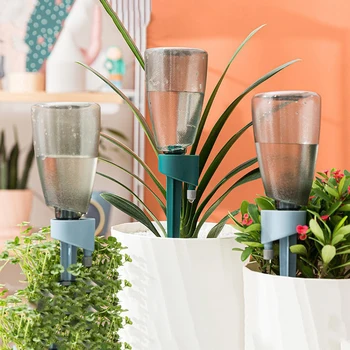
Install a drip system that delivers water directly to the root zone. According to the EPA WaterSense program, drip irrigation can reduce water use by up to 50 % compared to overhead sprinklers.
Mulch for Moisture Retention
Spread 2–3 inches of organic mulch (straw, shredded leaves) around plants. Mulch not only conserves moisture but also suppresses weeds and adds organic matter as it breaks down.
Rainwater Harvesting
Set up a rain barrel with a mesh screen to collect runoff from gutters. Use the stored water for irrigation during dry spells—this reduces reliance on municipal water.
Actionable Tip
Water early in the morning (5–7 am) to minimize evaporation. Use a moisture meter to check soil dampness 2 inches below the surface—water only when the reading is below 30 %.
Step 5: Integrated Pest Management (IPM)
Encourage Beneficial Insects
Plant nectar‑rich flowers like marigold and dill to attract ladybugs, lacewings, and predatory wasps. These natural predators keep aphids and spider mites in check without chemicals.
Physical Barriers
Use row covers or fine mesh netting to protect seedlings from insects. For indoor plants, sticky traps placed near the pot can catch flying pests.
Organic Remedies
Mix a spray of neem oil (1 teaspoon per quart of water) and apply weekly to affected foliage. For severe fungal issues, a copper‑based fungicide works effectively while remaining plant‑safe.
Actionable Tip
Inspect plants weekly—early detection of pests reduces the need for stronger interventions. Keep a garden journal noting pest sightings, weather conditions, and treatment outcomes to refine your IPM strategy over time.
Step 6: Harvest, Recycle, and Refresh
Seasonal Harvesting
Pick herbs and vegetables at peak maturity to encourage continuous growth. For indoor plants, trim dead leaves regularly to improve air flow and light penetration.
Re‑use Plant Material
Compost spent plant cuttings and use them as mulch. This closes the nutrient loop and reduces waste.
Rotate Crops
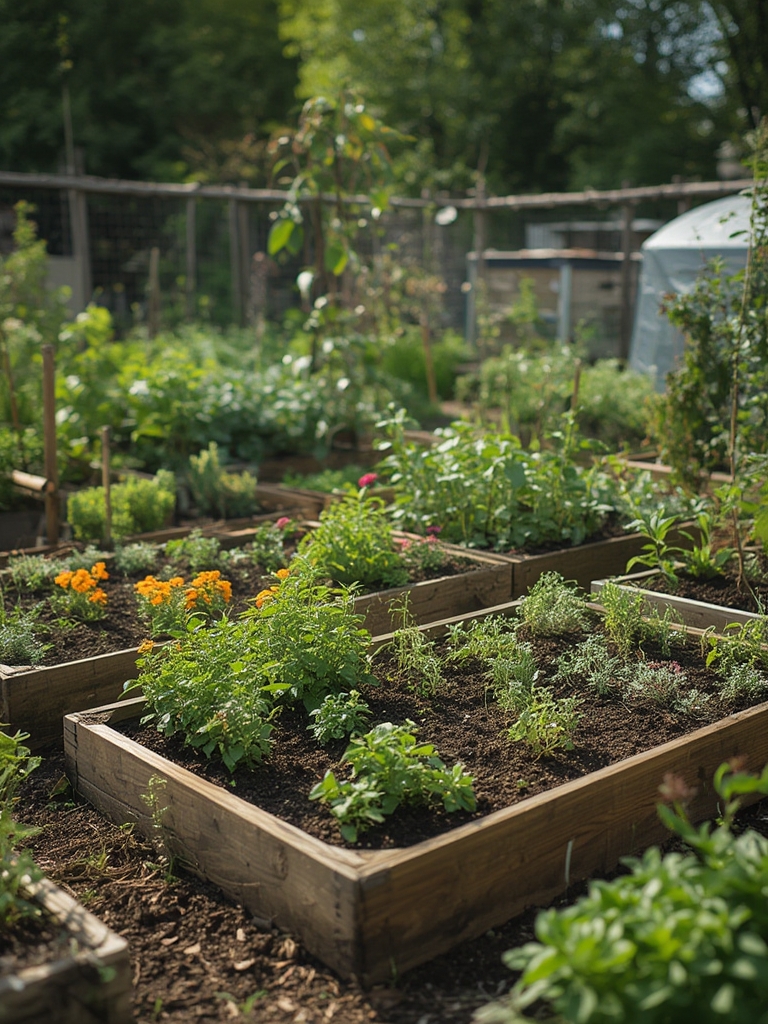
In outdoor beds, rotate plant families each season (e.g., legumes → leafy greens → root crops) to prevent soil‑borne diseases and balance nutrient depletion.
Actionable Tip
Set a reminder on your phone for a monthly “garden audit.” During this check, assess soil moisture, plant health, and compost levels, then adjust watering schedules or add fresh compost as needed.
Bonus: Styling Your Sustainable Garden for Home Décor
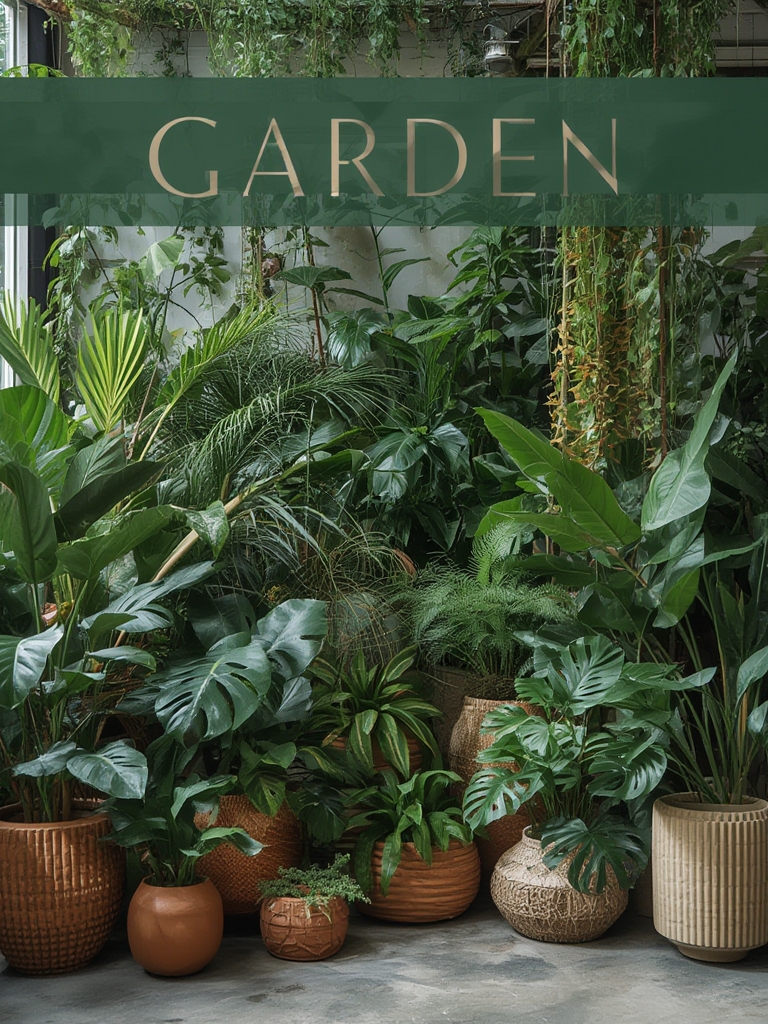
Combine function with aesthetics by arranging plants in varying heights and textures. Use reclaimed wood pallets as vertical planters, and incorporate decorative terracotta pots made from recycled clay. For indoor spaces, place a snake plant near the bedroom for improved sleep quality, a peace lily in the living room for elegance, and a trailing pothos on a bookshelf to add a touch of greenery without taking up floor space.
Final Thoughts
By following these data‑backed steps—assessing your environment, selecting the right plants, building fertile soil, conserving water, managing pests organically, and continuously recycling—you’ll create a thriving, sustainable garden that benefits both your home and the planet. Remember, the key to lasting success is consistency and observation. Keep track of what works, adapt to seasonal changes, and enjoy the rewarding process of growing greener, cleaner, and more beautiful spaces.