
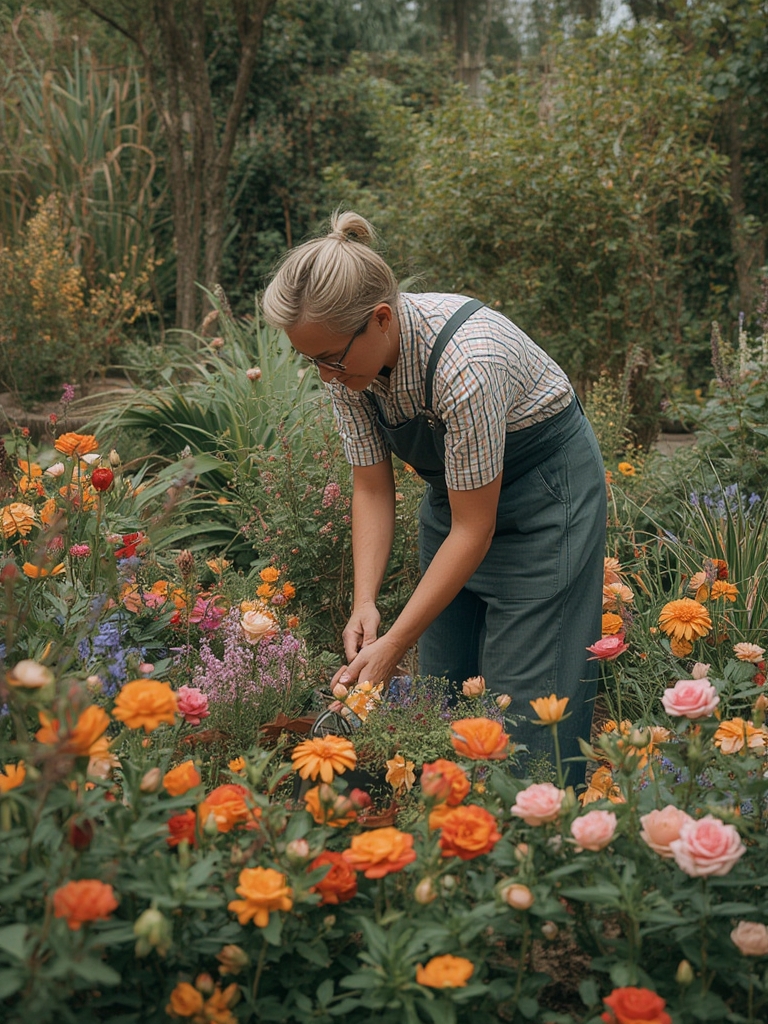
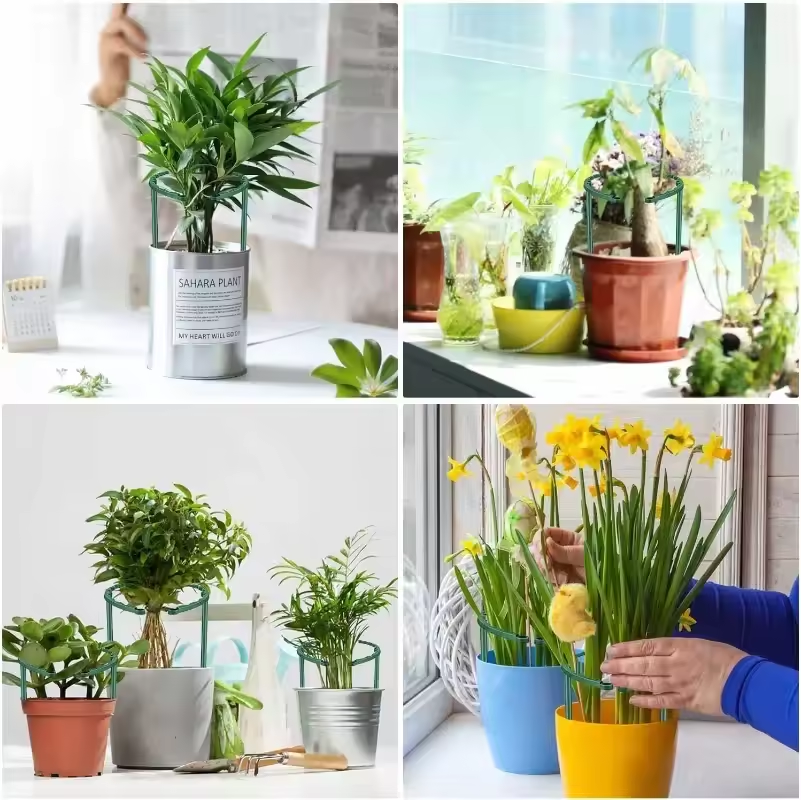
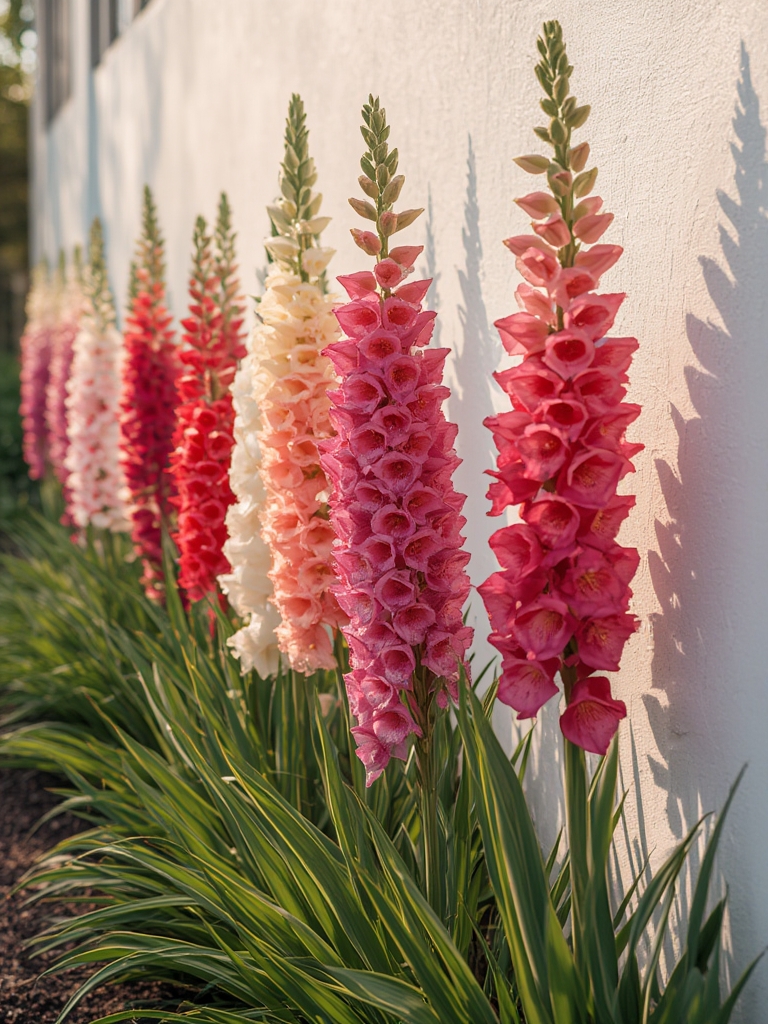
Flower gardening is both an art and a science, and with the right data‑driven approach you can turn any plot—big or small—into a vibrant, thriving showcase. By combining proven horticultural practices with creative touches, you’ll not only boost bloom density and longevity but also improve soil health and attract beneficial wildlife. Below is a step‑by‑step guide that walks you through every phase, from site selection to seasonal maintenance, with actionable tips you can implement right away.
1. Choose the Right Site and Flowers
Analyze Sunlight and Microclimate
- Use a smartphone light meter app or a simple shadow‑tracking chart to record sunlight exposure in 2‑hour increments over three days.
- Classify the area as full sun (6+ hours), part shade (3‑6 hours), or full shade (under 3 hours). Most flowering species need at least 6 hours of direct sun for optimal bloom.
- Note wind patterns; a wind‑break (e.g., a low fence or tall shrub) can protect delicate petals and reduce moisture loss.
Select Flowers Based on Data
- Consult regional USDA hardiness zone maps and local extension service reports to pick varieties proven to thrive in your climate.
- Mix fast‑blooming annuals (e.g., marigold, petunia) with perennials (e.g., coneflower, lavender) for continuous color and soil stability.
- Consider bloom time charts: stagger planting dates so that at least one species is in flower every month from spring to fall.
2. Prepare Soil for Maximum Growth
Test and Amend Soil
- Send a sample to a local lab or use a DIY test kit to measure pH, organic matter, and nutrient levels (N‑P‑K).
- If pH is outside the 6.0‑7.0 range, amend with lime (to raise) or elemental sulfur (to lower) according to the lab’s dosage recommendations.
- Incorporate 2‑3 inches of well‑rotted compost or aged manure to boost microbial activity and improve water retention.
Improve Drainage and Structure
- For heavy clay soils, mix in coarse sand or perlite at a 1:4 ratio (one part amendment to four parts soil).
- Create raised beds (12‑18 inches high) if the site has poor drainage; this also makes soil management easier and reduces compaction.
3. Planting Techniques That Boost Success
Timing and Spacing
- Plant after the last frost date for your zone; use historical frost data from the National Weather Service to pinpoint the safest week.
- Follow seed‑packet or plant label spacing guidelines—generally 12‑18 inches for medium‑sized perennials—to ensure adequate air flow and reduce disease pressure.
Planting Steps
- Dig a hole twice as wide and the same depth as the root ball.
- Loosen the root ball gently; prune any dead or tangled roots.
- Place the plant at the same depth it was in the nursery pot; backfill with a mix of native soil and compost.
- Water thoroughly (about 10 minutes of steady flow) to settle soil around the roots.
- Apply a 2‑inch mulch ring (shredded bark, straw, or cocoa hulls) to retain moisture and suppress weeds.
4. Watering, Feeding, and Ongoing Care
Smart Watering Strategies
- Install a drip‑irrigation system with a timer set to 20‑30 minutes early morning, 2‑3 times per week, adjusting for rainfall using a rain gauge.
- Use a soil moisture sensor; when readings drop below 30% volumetric water content, increase watering frequency.
Fertilization Schedule
- Apply a balanced, slow‑release fertilizer (10‑10‑10) at planting time, then again in early summer when the first flush of blooms appears.
- For a natural boost, side‑dress with a 1‑inch layer of compost in spring and fall.
Pruning and Deadheading
- Deadhead spent flowers daily to redirect energy into new buds; use clean, sharp scissors to avoid tearing stems.
- In late summer, cut back perennials to about 6 inches above ground to encourage a second growth wave before winter.
5. Pest Management and Plant Health
Integrated Pest Management (IPM)
- Monitor weekly with sticky traps and visual inspections; record pest counts in a simple spreadsheet to spot trends.
- Introduce beneficial insects (ladybugs, lacewings) by planting companion herbs like dill and fennel.
- If aphids exceed 10 per leaf, spray a neem‑oil solution (2 tablespoons per gallon) early morning or late evening.
Disease Prevention
- Maintain at least 12 inches of spacing between rows for airflow.
- Remove any diseased foliage immediately and sanitize tools with a 10% bleach solution.
- Apply a thin coat of copper fungicide at first sign of powdery mildew; repeat every 14 days if conditions stay humid.
6. Creative Touches to Make Your Garden Unique
Color Theory and Plant Pairings
- Use a color wheel to pair complementary hues (e.g., purple lavender with yellow coreopsis) for striking visual contrast.
- Group plants with similar water needs together to simplify irrigation zones.
Functional Art Elements
- Install reclaimed wooden trellises for climbing roses; the rustic texture adds depth and provides habitats for pollinators.
- Incorporate a small water feature—like a solar‑powered fountain—to increase humidity, which benefits moisture‑loving blooms such as impatiens.
Seasonal Accents
- Plant dwarf ornamental grasses that turn golden in fall; they frame flower beds and create movement with the wind.
- Add a handful of ever‑green shrubs (e.g., boxwood) for winter structure, ensuring the garden looks appealing year‑round.
7. Tracking Success and Adjusting Your Plan
Data‑Driven Garden Journal
- Log planting dates, soil test results, watering volumes, and fertilizer applications in a spreadsheet or garden app.
- Take weekly photos and note bloom intensity; use simple metrics like “number of flower heads per plant” to gauge performance.
- At season’s end, review the data to identify which varieties performed best and adjust next year’s plant list accordingly.
Continuous Learning
- Join local gardening clubs or online forums; share your data and learn from regional successes.
- Attend extension service workshops on soil health and integrated pest management to keep your knowledge current.
By following these evidence‑based steps and sprinkling in a few personalized design ideas, you’ll create a flower garden that not only looks spectacular but also thrives with minimal stress. Remember, the key to long‑term success lies in regular observation, data tracking, and a willingness to adapt—just like any successful SEO strategy, but with soil instead of search engines.
