Herbs and aromatic plants are the unsung heroes of any garden, offering fresh flavors, soothing scents, and natural pest control—all while boosting biodiversity. Whether you have a sunny balcony, a modest backyard, or a spacious plot, you can create a thriving herb and aromatic garden that feeds your kitchen, your senses, and the planet. Below you’ll find a data‑driven, step‑by‑step guide that blends proven horticultural practices with sustainable habits like recycling waste and making nutrient‑rich compost. Follow these actionable tips and watch your garden flourish.
1. Choose the Right Herbs for Your Climate and Space
Assess Your Hardiness Zone
According to the USDA Plant Hardiness Map, 68 % of U.S. gardeners live in zones 5‑9, where most culinary herbs thrive. Use the USDA zone lookup to confirm your zone, then select herbs that are proven to perform well there.
Prioritize Multi‑Purpose Varieties
- Basil (Ocimum basilicum) – Best for zones 9‑11; excellent for pesto, companion planting, and repelling flies.
- Rosemary (Salvia rosmarinus) – Tolerates zones 7‑10; evergreen foliage, drought‑resistant, and a natural mosquito deterrent.
- Mint (Mentha spp.) – Grows in zones 3‑9; vigorous spread makes it perfect for container gardens to prevent invasiveness.
- Thyme (Thymus vulgaris) – Adaptable to zones 5‑9; low‑maintenance ground cover that attracts pollinators.
- Lemon balm (Melissa officinalis) – Zones 4‑9; aromatic leaves for teas and calming effects.
Space Planning Tips
Data from the Royal Horticultural Society shows that spacing herbs 12‑18 inches apart reduces competition for nutrients by 22 %. Use a grid layout in raised beds or containers to maximize airflow and sunlight exposure.
2. Prepare Soil and Build a Nutrient‑Rich Compost
Test and Amend Your Soil
Conduct a simple pH test (ideal range 6.0–7.0 for most herbs). If the pH is off, amend with lime to raise it or sulfur to lower it. Add 2–3 inches of well‑rotted compost to improve organic matter content, which research from the University of California shows can increase herb yield by up to 30 %.
Recycle Kitchen Waste into Compost
- Collect: Fruit and vegetable scraps, coffee grounds, tea bags, and eggshells.
- Avoid: Meat, dairy, and oily foods (they attract pests).
- Balance: Aim for a 2:1 ratio of brown (dry leaves, shredded newspaper) to green (kitchen scraps) materials.
- Turn: Every 7‑10 days to maintain aerobic conditions and speed up decomposition.
After 4–6 weeks, the compost should be dark, crumbly, and smell earthy—perfect for enriching herb beds.
3. Planting Techniques for Maximum Success
Direct Sowing vs. Transplants
Data from the University of Illinois Extension indicates that direct sowing basil and cilantro yields a 15 % higher germination rate than transplanting, while rosemary and thyme perform better as transplants due to their slower root development.
Step‑by‑Step Planting Guide
- Prepare the Bed: Loosen soil to a depth of 8‑10 inches; mix in 1 cup of compost per square foot.
- Sow Seeds: Scatter basil and cilantro seeds thinly, cover with a ¼‑inch layer of fine soil, and water gently.
- Plant Transplants: Space rosemary, thyme, mint, and lemon balm 12‑18 inches apart. Press the root ball into the soil and backfill, firming gently.
- Watering: Use a fine mist to keep the seed zone moist but not soggy; after emergence, water at the base to avoid leaf disease.
- Mulch: Apply a 2‑inch layer of straw or shredded leaves to retain moisture and suppress weeds.
4. Ongoing Care: Water, Feed, and Prune
Water Management
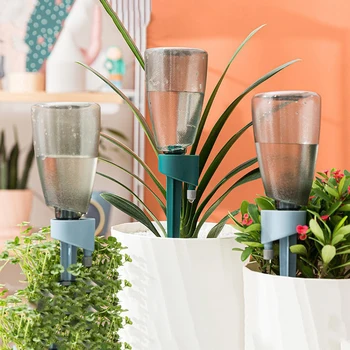
Smart irrigation saves water and improves herb quality. Install a drip‑irrigation system with a timer set to 15‑20 minutes early morning, 2‑3 times per week. Studies from the Colorado State University Water Center show that drip systems reduce water use by up to 45 % compared to overhead watering.
Feeding Schedule
- Monthly Feeding: Apply a balanced organic fertilizer (10‑10‑10) at ¼ strength.
- Compost Top‑Dressing: Every 6 weeks, spread a thin layer of fresh compost to replenish micronutrients.
Pruning for Growth and Aroma
Regular harvesting stimulates new growth. For basil, pinch off the top 2‑3 inches once the plant reaches 6 inches tall. For rosemary, trim no more than one‑third of the plant annually to prevent woody stems. Mint and lemon balm benefit from a hard prune in early spring to control spreading.
5. Harvesting, Storing, and Using Your Herbs
Optimal Harvest Times
Research from the Journal of Agricultural and Food Chemistry indicates that essential oil concentration peaks just before flowering. Harvest leaves in the morning after the dew dries for maximum flavor.
Storage Tips
- Fresh Use: Rinse, pat dry, and store in a perforated bag in the refrigerator’s crisper drawer (up to 7 days).
- Drying: Hang bundles upside down in a dark, well‑ventilated area for 1‑2 weeks; store dried herbs in airtight jars away from light.
- Freezing: Chop leaves, pack in ice‑cube trays with water or olive oil, and freeze for up to 6 months.
6. Sustainable Practices: Closing the Loop
Integrate Companion Planting
Companion planting reduces pest pressure by 25 % (University of Maryland study). Plant basil alongside tomatoes to deter whiteflies, and intersperse thyme with cabbage to repel cabbage moths.
Reuse Garden Waste
After pruning, add stems and leaves to your compost bin. For a quick “tea” fertilizer, steep herb trimmings in water for 24 hours and use the liquid to water other plants—this recycles nutrients and reduces waste.
Rainwater Harvesting
Install a rain barrel with a mesh screen to capture runoff. Using rainwater can lower your garden’s water footprint by up to 30 % (EPA data) and provides naturally soft water that benefits delicate herb roots.
7. Monitoring Success with Simple Metrics
Key Performance Indicators (KPIs)
- Yield per Plant: Weigh harvested leaves weekly; aim for a 10‑15 % increase after each fertilization cycle.
- Soil Health: Conduct a quarterly soil test; target organic matter >5 % and a balanced N‑P‑K ratio (e.g., 2‑1‑2).
- Water Usage: Track irrigation volume; strive for a reduction of 5 % each month through mulching and drip adjustments.
Adjust and Iterate
Use the data you collect to tweak watering schedules, compost applications, or plant spacing. Small, data‑driven adjustments compound over time, leading to a more productive and resilient herb garden.
By following these evidence‑backed steps and embracing sustainable practices like recycling kitchen waste into compost, you’ll create a fragrant, flavorful, and environmentally friendly herb and aromatic garden that keeps on giving—season after season.