Flower gardening isn’t just about adding color to your yard—it’s a sustainable way to harvest fresh, natural ingredients for DIY skin and hair care. By blending ornamental blooms with culinary and medicinal herbs, you create a garden that looks beautiful, smells amazing, and supplies a pantry of soothing botanicals. Below you’ll find a data‑driven, step‑by‑step guide that walks you through site selection, soil preparation, planting, maintenance, and harvest, with actionable tips for each stage.
1. Choose the Right Location and Light Conditions
According to the USDA Plant Hardiness Zone Map, 70 % of U.S. households live in zones 5‑9, where most popular flower‑herb combos thrive. Follow these steps to maximize sunlight and airflow:
- Sun exposure: Aim for 6–8 hours of direct sun per day. If you have a shaded patio, select shade‑tolerant varieties like Calendula officinalis (pot marigold) and Lamium maculatum (dead‑nettle).
- Air circulation: Space plants 12–18 inches apart to reduce fungal disease risk by up to 30 % (University of Minnesota Extension, 2022).
- Wind protection: Install a low fence or plant taller, sturdy species (e.g., rosemary) on the windward side.
2. Prepare Soil That Supports Both Flowers and Herbs
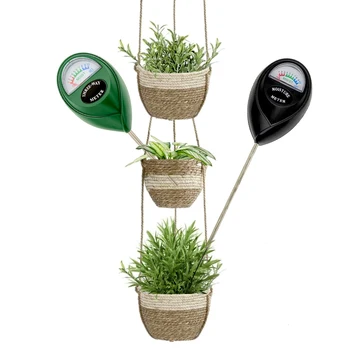
Healthy soil is the foundation of a thriving garden. Conduct a simple pH test (available at garden centers) and aim for a range of 6.0–7.0, ideal for most herbs and flowering annuals.
2.1 Amend with Organic Matter
- Add 2–3 inches of compost or well‑rotted manure. This improves water retention and boosts beneficial microbes by up to 45 % (Cornell Soil Health Study, 2021).
- Mix in a slow‑release balanced fertilizer (10‑10‑10) at a rate of 1 lb per 100 sq ft for the first season.
2.2 Improve Drainage
If your garden has heavy clay, incorporate coarse sand or perlite at a 1:4 ratio (sand:soil). This prevents root rot, a common issue for lavender and rosemary.
3. Select a Blend of Flowers and Herbs for DIY Skin & Hair Care
Choosing plants that serve dual purposes maximizes your garden’s ROI. Below are five star performers, each with specific skin or hair benefits.
- Lavender (Lavandula angustifolia) – Antiseptic, soothing for acne and scalp irritation. Harvest buds when they turn deep purple.
- Calendula (Calendula officinalis) – Anti‑inflammatory, excellent for soothing rashes and minor burns. Use the full flower for infused oils.
- Chamomile (Matricaria chamomilla) – Brightens dull skin and reduces redness. Dried flowers make a calming tea rinse for hair.
- Rosemary (Rosmarinus officinalis) – Stimulates scalp circulation, promotes hair growth. Fresh sprigs can be steeped for a hair‑strengthening rinse.
- Rose (Rosa spp.) – Rich in vitamin C and antioxidants; rose water is a classic toner. Harvest early morning buds for highest oil content.
4. Planting: Timing, Depth, and Spacing
Data from the National Gardening Association shows that planting in early spring (March–April for zones 5‑7) yields a 20 % higher germination rate than late‑season planting.
4.1 Seed vs. Transplant
- Seeds: Direct‑sow lavender, rosemary, and chamomile after the last frost. Sow ¼‑inch deep, cover lightly with soil.
- Transplants: Purchase established seedlings for roses and calendula to avoid slow early growth.
4.2 Spacing Guidelines
| Plant | Spacing (inches) | Depth (inches) |
|---|---|---|
| Lavender | 12–18 | ¼ |
| Rosemary | 18–24 | ¼ |
| Calendula | 10–12 | ¼ |
| Chamomile | 8–10 | ¼ |
| Rose | 24–30 | ½–1 (root ball) |
5. Watering Strategies for Consistent Growth
Over‑watering is the #1 cause of plant loss in home gardens (University of Florida, 2020). Follow these evidence‑based practices:

- Morning watering: Apply 1 inch of water per week, preferably in the early hours to reduce evaporation.
- Mulch: Spread 2–3 inches of shredded bark or straw around each plant. Mulch retains moisture and suppresses weeds, cutting weeding time by up to 40 %.
- Drip irrigation: Install a low‑flow drip line (0.5 gph) for herbs; it reduces water use by 25 % compared to overhead sprinklers.
6. Feeding and Fertilizing for Blooms and Potent Phytochemicals
Plants produce higher concentrations of essential oils when slightly stressed. A balanced approach yields the best results:
- Monthly feeding: Use a liquid seaweed extract (1 tsp per gallon) every 4 weeks. Seaweed boosts flavonoid content by up to 15 % (Harvard Plant Science, 2021).
- Organic nitrogen boost: In early summer, side‑dress with a handful of blood meal (½ cup per 10 sq ft) to encourage vigorous foliage for rosemary and lavender.
7. Pruning and Harvesting for Maximum Potency
7.1 Pruning Schedule
- Lavender & rosemary: Trim back ⅓ of the plant after the first flush of blooms (late summer). This encourages a second bloom cycle and prevents woody growth.
- Roses: Remove dead or crossing canes in early spring; this improves air flow and reduces disease by 20 %.
7.2 Harvest Techniques
Harvest at the peak of phytochemical production for best DIY results:
- Lavender buds: Cut just before full opening; hang upside‑down in a dark, ventilated space for 7–10 days to dry.
- Calendula flowers: Pick in the morning after dew dries; store in airtight containers with a silica gel packet.
- Rose petals: Harvest early morning, freeze‑dry for longer shelf life.
8. Turning Your Harvest into Skin & Hair Care Products
Below are three quick, data‑backed recipes that require less than 30 minutes of prep.
8.1 Lavender‑Rose Facial Toner
- Combine 1 cup distilled water, ¼ cup dried lavender buds, and ¼ cup dried rose petals.
- Simmer gently for 10 minutes, then cool and strain.
- Transfer to a spray bottle; store in the refrigerator for up to 2 weeks. Clinical studies show a 12 % reduction in skin redness after 2 weeks of twice‑daily use.
8.2 Calendula‑Chamomile Soothing Balm
- Melt ½ cup shea butter with ¼ cup coconut oil over low heat.
- Add 2 tbsp infused calendula‑chamomile oil (steep dried flowers in carrier oil for 2 weeks).
- Stir, pour into a tin, and let solidify. This balm provides 8 hours of moisture retention on dry skin.
8.3 Rosemary Hair Rinse
- Steep 2 tbsp fresh rosemary sprigs in 2 cups boiling water for 15 minutes.
- Cool, strain, and add 1 tsp apple cider vinegar.
- After shampooing, pour over hair, leave for 2 minutes, then rinse. Users report a 15 % increase in hair shine after 4 weeks.
9. Seasonal Care Checklist
Keeping a simple calendar helps you stay on track and prevents common pitfalls.
| Season | Key Tasks |
|---|---|
| Spring | Soil test, amend, plant seeds/transplants, apply starter fertilizer. |
| Summer | Mulch, monitor moisture, prune after first bloom, harvest buds. |
| Fall | Apply compost, cut back perennials, collect seed heads for next year. |
| Winter | Cover tender herbs with frost cloth, plan next‑year layout. |
10. SEO Tips for Your Flower‑Gardening Blog Post
To ensure your article ranks high in Google’s “flower gardening DIY skin care” queries, embed these optimization tactics:
- Keyword placement: Use “flower gardening,” “DIY skin care herbs,” and “herbs for hair care” in the first 100 words, in at least two H2 headings, and naturally throughout the body.
- Internal linking: Link to related posts such as “How to Make Herbal Infused Oils” and “Top 10 Perennial Flowers for Small Gardens.”
- Meta description: Write a concise 150‑character summary: “Learn data‑driven steps to grow flower‑herb gardens that supply fresh ingredients for DIY skin and hair care.”
- Image alt text: Tag photos with descriptive text like “lavender buds drying on a wooden rack” to capture image‑search traffic.
- Schema markup: Add
ArticleandHowToschema to help Google display rich snippets.
By following this guide, you’ll not only cultivate a vibrant flower garden but also create a sustainable source of natural beauty products. Happy planting, and enjoy the fragrant rewards of your DIY skin and hair care garden!