Whether you’re nurturing your first seedling or you’re a seasoned green thumb, a garden is a living, breathing thing that always has new lessons to teach. That patch of soil, container on a balcony, or raised bed in the backyard holds the potential for immense beauty, tranquility, and even a tasty harvest. But how do you go from a hopeful plot to a lush, thriving oasis?
The secret lies in understanding a few fundamental principles. Gardening isn’t about having a “green thumb”—it’s about knowledge, patience, and working with nature. This ultimate guide bundles over 25 essential tips to help you cultivate not just plants, but confidence.
Part 1: The Foundation – Setting Your Garden Up for Success
1. Right Plant, Right Place
This is the golden rule of gardening. Every plant has preferences for sun, soil, and space.
- Sun Savvy: Observe your garden throughout the day. Is it full sun (6+ hours), part sun (4-6 hours), or full shade? Match sun-loving tomatoes to a sunny spot and hostas to a shady nook.
- Know Your Zone: Understand your USDA Hardiness Zone. This tells you which perennial plants are likely to survive your winter. A tropical hibiscus won’t last in a Minnesota winter, no matter how much you love it.
2. Test Your Soil
Your soil is the stomach of your plants. You can’t fix what you don’t know.
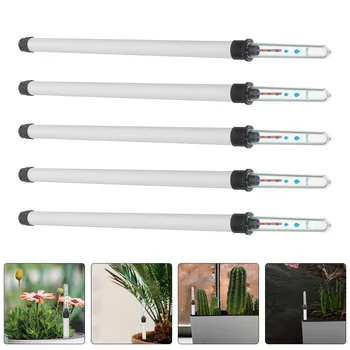
- Simple Test: Get a basic soil test kit from a garden center. It will reveal your soil’s pH (acidity/alkalinity) and key nutrient levels.
- The Fix: Most vegetables love slightly acidic to neutral soil (pH 6.0-7.0). To lower pH (make more acidic), add sulfur. To raise pH (make more alkaline), add garden lime.
3. Feed the Soil, Not Just the Plants
Healthy soil is teeming with microbial life that helps plants absorb nutrients.
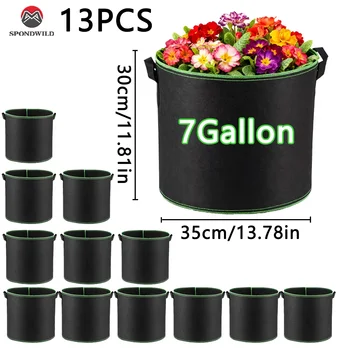
- Compost is King: Regularly mix compost into your garden beds. It improves soil structure, provides slow-release nutrients, and helps retain moisture.
- Mulch, Mulch, Mulch: A 2-3 inch layer of organic mulch (shredded bark, straw, wood chips) is a game-changer. It suppresses weeds, retains soil moisture, regulates soil temperature, and breaks down to feed the soil.
Part 2: The Art of Planting & Watering
4. Plant at the Correct Depth
This seems simple, but it’s a common mistake.
- Rule of Thumb: For most plants, the top of the root ball should be level with the soil surface. Planting too deep can cause stems to rot.
- Notable Exception: Tomatoes are the rebels. You should plant them deep, burying a portion of the stem, as it will grow additional roots.
5. Water Deeply and Less Frequently
Frequent, shallow watering encourages weak, shallow roots.

- The Goal: Encourage deep, drought-resistant roots by watering slowly and deeply. A thorough soaking once or twice a week is better than a daily sprinkle.
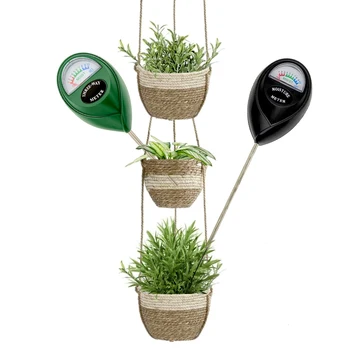
- The Finger Test: Stick your finger 2 inches into the soil. If it’s dry, it’s time to water. If it’s moist, wait.
- Water the Soil, Not the Leaves: Watering leaves can promote fungal diseases. Aim your hose or watering can at the base of the plant.
6. Timing is Everything (for Watering)
The best time to water is in the early morning. This gives leaves time to dry off in the sun, reducing the risk of disease, and provides plants with moisture to face the heat of the day. Evening watering is the second-best option, but avoid it if your plants are prone to mildew.
Part 3: Maintenance & Problem-Solving
7. Embrace Succession Planting
Don’t let your garden go bare after one harvest.
- How it Works: After harvesting a cool-season crop like lettuce or radishes in early summer, replant that space with a warm-season crop like beans or zucchini.
8. Deadhead for More Blooms
For flowering plants like roses, marigolds, and petunias, regularly remove spent flowers (a process called deadheading). This tricks the plant into producing more blooms instead of putting energy into making seeds.
9. Prune with Purpose
- For Shape and Health: Prune dead, damaged, or diseased branches anytime. For shaping, prune spring-flowering shrubs right after they bloom and summer-flowering shrubs in late winter or early spring.
- Pinch for Bushiness: For herbs like basil and flowers like chrysanthemums, pinching off the top set of leaves when the plant is young encourages it to grow bushy and full instead of tall and leggy.
10. Go Easy on the Fertilizer
More fertilizer is not always better. It can lead to lush, weak growth that is more attractive to pests.
- Organic & Slow-Release: Opt for organic, slow-release fertilizers that feed plants gradually. Follow package instructions carefully.
11. Identify Before You Act (The 90/10 Rule of Pests)
Beneficial insects do far more good than harm.
- Don’t Panic Spray: If you see a bug, don’t immediately reach for insecticide. Identify it first. Is it a helpful ladybug larva (which eats aphids) or a destructive Japanese beetle?
- The Power of the Hose: A strong blast of water from your hose is often enough to dislodge aphids and other small pests.
Part 4: Pro-Tips for Specific Gardens
For Vegetable Gardens:
- Rotate Your Crops: Don’t plant the same family of vegetables (e.g., tomatoes, peppers, eggplant) in the same spot year after year. This prevents soil-borne diseases from building up.
- Grow Up: Use trellises, cages, and stakes for vining plants like cucumbers, peas, and tomatoes. This saves space, improves air circulation, and keeps fruit clean.
For Container Gardens:
- Bigger is Better: A larger pot holds more soil, which retains moisture longer and gives roots room to grow.
- Drainage is Non-Negotiable: Ensure your pots have drainage holes. Soggy soil is the #1 killer of container plants.
- Use Quality Potting Mix: Don’t use garden soil in containers. It compacts and doesn’t drain well. A quality potting mix is formulated for container success.
For Flower Gardens:
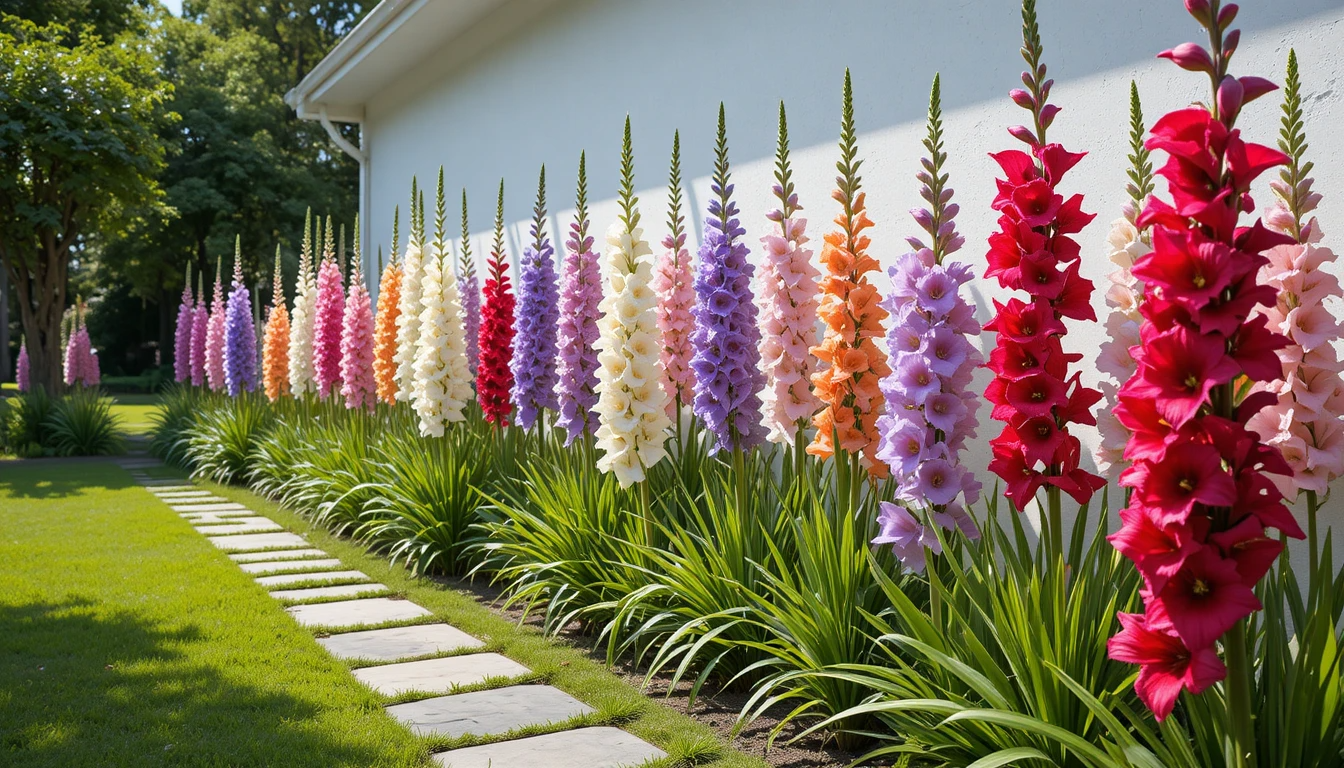
- Think in Layers: Plant tall plants (like sunflowers or hollyhocks) in the back, medium plants (like zinnias or salvia) in the middle, and low-growing plants (like alyssum or marigolds) in the front.
- Choose for Pollinators: Include native plants like coneflower, bee balm, and milkweed to attract bees, butterflies, and other beneficial pollinators.
Part 5: The Gardener’s Mindset
12. Keep a Garden Journal
This is the most underrated tip. Note what you planted, where, and when. Record what worked and what didn’t. This becomes an invaluable record for planning next year’s garden.
13. Observe Every Day
Spend just five minutes in your garden each day without any tools. You’ll notice a pest problem early, see the first ripe tomato, and catch a wilting plant before it’s too late.
14. Don’t Fear Failure
Every gardener has killed plants. It’s not a failure; it’s a learning experience. A dead plant is just a lesson in what not to do next time.
15. Enjoy the Process
Gardening is a journey, not a destination. Savor the quiet moments, the smell of damp earth, the wonder of a sprouting seed, and the taste of a sun-warmed strawberry you grew yourself.
Conclusion: Your Garden Awaits
Armed with these tips, you’re ready to create a space that brings you joy. Remember, the best garden is not a perfect one, but one that is loved and nurtured. So grab your trowel, get your hands dirty, and watch your little patch of earth come to life.
What’s your number one gardening challenge or your best-kept secret? Share your thoughts and questions in the comments below—let’s grow together!