There’s a special kind of magic in the garden. It’s the magic of a tiny seed, a bit of soil, and water transforming into a vibrant, living plant that nourishes you. But what if I told you that you don’t even need seeds to experience this wonder? What if the key to a continuous, cost-free harvest was hiding in your kitchen compost bin all along?
Welcome to the fascinating, empowering, and downright thrifty world of regrowing food from kitchen scraps. This isn’t a complex gardening manual; it’s a guide to becoming a culinary alchemist. It’s about looking at the stub of a green onion, the heart of a head of lettuce, or the eyes of a potato not as waste, but as potential. It’s about cultivating a mindset of “nothing is wasted,” and in the process, creating a beautiful, ever-renewing windowsill garden.
In this guide, we will move beyond the simple novelty of watching a potato sprout in your cupboard. We will delve into the practical, step-by-step methods for turning your most common vegetable ends and seeds into a reliable source of fresh produce. Get ready to look at your kitchen scraps with entirely new eyes.
The Philosophy of Regrowth: Why Bother?
Before we get our hands (and jars) dirty, let’s explore the profound “why” behind this practice. It’s more than just a fun project for a rainy day.
- The Ultimate in Sustainability: This is recycling in its purest form. You are diverting waste from the landfill and giving it a second, third, or even fourth life. You are reducing your food miles to mere feet and eliminating all packaging. Your carbon footprint shrinks with every snip of a regrown herb.
- A Masterclass in Frugality: In an era of rising food costs, the ability to create an endless supply of green onions, herbs, and lettuce from a one-time purchase is a small act of domestic rebellion. It’s free food, plain and simple. That $2 bunch of cilantro can now provide for you for months.
- Unbeatable Freshness and Flavor: There is no comparison between a limp head of lettuce that has traveled hundreds of miles and the crisp, vibrant leaves you snap off a plant that’s been growing in your kitchen for weeks. The flavor is more intense, the texture is superior, and the nutritional value is at its peak.
- A Connection to Your Food: Regrowing scraps fosters a deep, tangible connection to what you eat. You witness the entire life cycle, from end to new beginning. It’s a powerful lesson in botany, patience, and the resilience of life, right on your windowsill.
- Accessibility for All: You don’t need a garden. You don’t need a balcony. All you need is a sunny windowsill, some water, and a few old jars. This makes it the perfect gateway into the world of gardening for apartment dwellers, students, and anyone with limited space.
The Science Behind the Magic: How Does It Work?
At its core, regrowing from scraps is about harnessing the power of plant cells. Unlike animal cells, many plant cells are totipotent. This means that a single cell has the ability to regenerate into a whole new plant. When you cut a celery base or place a green onion root in water, you are providing the conditions for this cellular magic to happen.
The scrap contains:
- Meristematic Tissue: This is the plant’s “growth tissue,” found in root tips and buds (the “eyes” on a potato). It contains undifferentiated cells that are ready to become whatever the plant needs—new roots, new stems, or new leaves.
- Stored Energy: The scrap has a reserve of carbohydrates and nutrients it was using to grow. This stored energy is what powers the initial burst of new growth before the plant can sustain itself.
By placing this tissue in water or soil, you are signaling to the plant that the conditions are right to reactivate growth. It will first focus on regenerating a root system (to seek out water and nutrients) and then on producing new leafy greens.
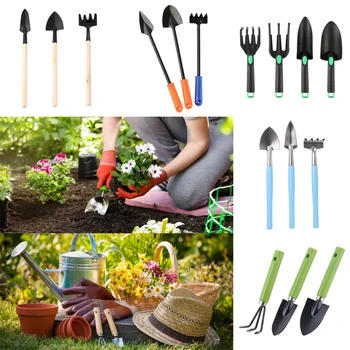
Your Regrowing Toolkit: What You’ll Need
The beauty of this endeavor is its simplicity. You likely have everything you need already.
- Containers: Small jars, glasses, or bowls for the water-propagation phase. For the long term, you’ll need small pots, containers, or a dedicated planter box with drainage holes.
- Fresh, High-Quality Scraps: This is crucial. You cannot revive a limp, yellowing, or moldy scrap. Start with the freshest, healthiest-looking ends you have.
- Water: Fresh, clean water. Change it regularly to prevent bacterial growth.
- Toothpicks (Optional): Useful for suspending certain scraps (like onions and avocados) in water.
- Potting Mix: Once your scraps have developed roots, they’ll need a high-quality potting mix to thrive long-term.
- A Sunny Windowsill: Most of these plants need a good amount of indirect or direct sunlight to photosynthesize and grow strongly.
The Regrower’s Guide: From Scrap to Harvest
Let’s get to the practical magic. Here is a detailed breakdown of the most common and successful vegetables and herbs to regrow.
Category 1: The Cut-and-Come-Again Leafy Greens & Stalks
These are the workhorses of the windowsill regrowing world. They are fast, reliable, and provide multiple harvests.
1. Green Onions, Leeks, and Scallions
This is the gateway regrow. It’s almost foolproof and provides results in days.
- The Scrap: The white root end with a little bit of the green stalk attached (about 1-2 inches).
- The Method:
- Place the root ends in a jar with enough water to cover the roots but not submerge the entire stump.
- Place on a sunny windowsill.
- Change the water every other day.
- You will see new green shoots emerging from the center in just 2-3 days.
- The Harvest: Once the new shoots are 4-6 inches tall, you can snip them off with scissors, leaving the white root base in the water. It will continue to produce new shoots. For a stronger, more robust plant, transfer it to a pot of soil after the first or second water harvest.
- Pro Tip: You can keep a perpetual jar of green onions going. Just add new scraps to the jar as you use them.
2. Lettuce, Bok Choy, and Cabbage
Watching a new head of lettuce form from its core is one of the most satisfying sights.
- The Scrap: The hard, compact core or base of the head, about 1-2 inches tall.
- The Method:
- Place the core in a shallow bowl or jar with about half an inch of water, just enough to cover the bottom.
- Place it in a spot with good light.
- Change the water every day to prevent rot.
- After 3-4 days, you will see new, smaller leaves beginning to sprout from the center. In about a week, you’ll have a miniature, loose-leaf lettuce head.
- The Harvest: You can harvest the tender new leaves as a “cut-and-come-again” lettuce. For a larger head, it’s best to transplant the rooted core into soil after about a week of water growth.
- Important Note: You won’t regrow a single, tight head of romaine, but you will get a steady supply of fresh, loose leaves for salads and sandwiches.
3. Celery
Very similar to lettuce, with a dramatic transformation.
- The Scrap: The solid, white base of a celery bunch, 2-3 inches tall.
- The Method:
- Place the base in a shallow bowl with about half an inch of water.
- Put it in a bright spot.
- Change the water frequently.
- You will see tiny yellow leaves, then darker green stalks, emerge from the center within a week.
- The Harvest: Once you have significant new growth and a network of roots, transplant it into soil. The new stalks will be thinner and more herb-like than the original, but they are packed with flavor, perfect for soups, stocks, and chopping into salads.
Category 2: The Rooty Regrows
These plants focus their energy on growing new roots and shoots, often giving you both greens and a (smaller) root vegetable.
4. Ginger and Turmeric
Regrowing a ginger “farm” on your windowsill is surprisingly easy and highly rewarding.
- The Scrap: A fresh, plump piece of ginger or turmeric rhizome with several “eyes” or buds (they look like little horns or nubs).
- The Method:
- Soak the piece overnight in water to wake it up.
- Plant it in a wide, shallow pot with well-draining potting mix, with the eyes pointing upward and just barely covered with soil.
- Water lightly and place in a warm spot with indirect light.
- Keep the soil slightly moist but never soggy.
- The Harvest: In a few weeks, you will see green shoots emerge. After several months, when the leaves start to yellow and die back, you can carefully dig up the entire plant. You’ll find a whole new network of rhizomes! You can break off a piece to use and replant the rest to continue the cycle.
5. Potatoes and Sweet Potatoes
A classic grade-school science experiment that actually works.
- The Scrap: A potato or sweet potato that has started to sprout (grown “eyes”). Organic potatoes are best, as conventional ones are often treated with a sprout-inhibitor.
- The Method:
- You can suspend a sweet potato in a jar of water using toothpicks, with the bottom third submerged.
- For regular potatoes, it’s better to “chit” them first: cut them into chunks, ensuring each chunk has 1-2 eyes, and let them sit out for a day or two to callous over.
- Plant the chunks 4-6 inches deep in a large pot or grow bag filled with soil.
- The Harvest: The plant will grow into a large vine (sweet potato) or a bushy plant (regular potato). After the plant flowers and then dies back, you can harvest your new, homegrown potatoes! You won’t get a huge yield from one scrap, but it’s a fascinating process.
Category 3: The Herb Garden Revival
Never buy living pots of herbs from the supermarket again.
6. Basil, Mint, and Cilantro
You can easily propagate new plants from cuttings.
- The Scrap: A 4-6 inch stem cutting from a healthy plant. Make the cut just below a leaf node (the bump on the stem where leaves grow).
- The Method:
- Remove the leaves from the bottom half of the cutting.
- Place the stem in a jar of water, ensuring no leaves are submerged.
- Place on a bright windowsill.
- Change the water every few days.
- In 1-2 weeks, you will see white roots developing from the nodes.
- The Harvest: Once the roots are an inch or two long, transplant the cutting into a small pot of soil. You now have a brand new, genetically identical plant to the mother herb.
Category 4: The Long-Game Projects
These require more patience and space but offer a huge payoff.
7. Garlic
Incredibly simple and gives you two crops: garlic scapes and new bulbs.
- The Scrap: A single clove of garlic, preferably organic.
- The Method:
- Plant a clove (pointy end up) about an inch deep in a pot of soil.
- Place in a sunny spot.
- Keep the soil lightly moist.
- The Harvest: In a few weeks, green shoots will appear. You can snip these “garlic greens” and use them like chives for a mild garlic flavor. If you leave it to grow, the clove will eventually form a whole new bulb underground, which you can harvest once the tops turn brown and fall over (this takes several months).
8. Pineapple
The ultimate regrowing challenge and a stunning houseplant.
- The Scrap: The leafy top (the crown) of a pineapple. Twist or cut it off, ensuring you get a little of the fruit flesh.
- The Method:
- Peel off the lower leaves until you see a nub of a stem. Let this dry out for a day or two.
- Suspend the crown over a jar of water using toothpicks, so the bottom of the stem is just in the water.
- Place in bright, indirect light and change the water weekly.
- Once a healthy root system develops (this can take weeks), plant it in a large pot with well-draining cactus/succulent mix.
- The Harvest: You now have a beautiful bromeliad houseplant. It can take 2-3 years to produce a new pineapple, and it requires a lot of sun and patience, but the bragging rights are immense.
Troubleshooting: Why Isn’t My Scrap Growing?
Not every attempt will be successful, and that’s okay. Here are common reasons for failure:
- The Scrap Wasn’t Fresh: It was already past its prime and didn’t have the energy to regenerate.
- It Rotted in the Water: The water wasn’t changed frequently enough, or the entire scrap was submerged.
- Insufficient Light: The new growth became “leggy” and weak, stretching for a light source that wasn’t there.
- Lack of Nutrients: A plant can only live on its stored energy for so long. If you don’t transplant it into soil, it will eventually become stunted and die.
The Bigger Picture: A Cycle of Abundance
Regrowing food from scraps is more than a collection of techniques; it’s a philosophy. It teaches us to see the potential for life where we once saw only waste. It turns our kitchens into living laboratories and our windowsills into productive gardens.
This practice connects us to an ancient cycle of growth, decay, and rebirth. We are not just consumers; we are active participants in the creation of our own food. We become less reliant on complex supply chains and more in tune with the simple, powerful rhythms of nature.
So, the next time you’re about to toss that celery butt or green onion root, pause. See it for what it truly is: not an end, but a promise of a new beginning. Place it in a jar of water, give it some light, and witness the everyday magic of regrowth. Your windowsill, your wallet, and your planet will thank you for it.