Creating a thriving herbs & aromatic garden is both an art and a science. By blending data‑driven decisions with simple, actionable steps, you can grow a fragrant oasis that not only flavors your kitchen but also elevates your outdoor space. Below is a step‑by‑step guide that walks you through site selection, soil preparation, planting, maintenance, and even sustainable evening lighting that feels magical ✨🌙. Follow each tip, track your results, and adjust based on what the data tells you—your garden will reward you with abundant harvests and a soothing scent‑filled ambiance.
1. Choose the Right Herbs for Your Climate and Space
Research Local Hardiness Zones
- Consult the USDA Plant Hardiness Zone map (or your country’s equivalent) to identify which herbs thrive in your region.
- For zones 5‑9, reliable choices include lavender, rosemary, thyme, sage, and oregano. In warmer zones 10‑11, consider basil, lemon verbena, and mint.
- Log the performance of each herb in a simple spreadsheet:
Herb | Zone | Sun Hours | Yield (g/season). This data will guide future planting cycles.
Match Herbs to Garden Layout
- Vertical growers like rosemary and thyme do well in raised beds or wall planters.
- Spreading herbs such as mint should be contained in pots to prevent invasiveness.
- Group herbs with similar water and light needs together—this reduces over‑watering and improves micro‑climate control.
2. Prepare Soil That Supports Aromatic Growth
Test and Amend Your Soil
- Use a home soil test kit to measure pH, nitrogen (N), phosphorus (P), and potassium (K). Ideal pH for most Mediterranean herbs is 6.0‑7.5.
- If pH is low, incorporate lime (1 cup per 10 sq ft). For high pH, add sulfur (½ cup per 10 sq ft).
- Amend with well‑draining compost (2‑3 inches) and a handful of perlite to improve aeration.
Design a Drainage System
- Excavate a shallow trench (4‑6 inches deep) around the planting area and fill with coarse gravel.
- Lay a permeable landscape fabric to keep soil from mixing with the gravel, then backfill with amended soil.
- Record drainage times (time for water to disappear after a 1‑inch pour). Aim for 15‑30 minutes—adjust soil composition if it’s slower.
3. Planting: Timing, Spacing, and Techniques
When to Plant
- For perennials (lavender, rosemary), plant in early spring after the last frost. For annuals (basil, cilantro), sow after soil reaches 65°F (18°C).
- Mark planting dates in a garden calendar; compare yields year‑over‑year to refine timing.
Spacing Guidelines
- Compact herbs (thyme, oregano): 8‑12 inches apart.
- Medium herbs (sage, rosemary): 18‑24 inches apart.
- Large spreaders (mint): 24‑30 inches apart, preferably in containers.
Planting Steps
- Create a hole twice the width of the root ball but no deeper.
- Gently loosen roots, place the plant, and backfill with a mix of native soil and compost.
- Water thoroughly (until water drains from the bottom) to settle soil around roots.
- Apply a mulch layer (2‑3 inches of shredded bark) to retain moisture and suppress weeds.
4. Watering, Feeding, and Ongoing Care
Smart Watering Practices
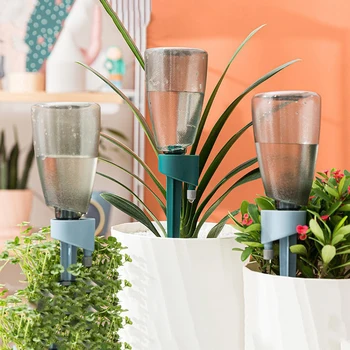
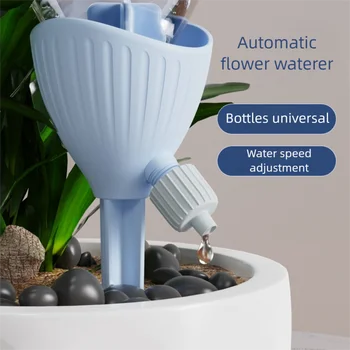
- Use a drip‑irrigation system with a flow rate of 0.5‑1 gallon per hour per plant. This reduces water waste and delivers moisture directly to the root zone.
- Water early in the morning; record the number of minutes needed to achieve a 1‑inch soil moisture depth (usually 15‑20 minutes for most herbs).
- Adjust frequency based on weather data: increase during heat waves, decrease after rain.
Fertilization Strategy
- Apply a balanced, organic fertilizer (10‑10‑10) at ¼ cup per 10 sq ft in early spring.
- For heavy feeders like basil, supplement with a liquid seaweed extract every 4 weeks.
- Track leaf color and growth rate; a nitrogen deficiency shows as yellowing older leaves, prompting a slight increase in N.
Pruning & Harvesting
- Pinch back new growth when plants reach 6‑8 inches tall to encourage bushier habit.
- Harvest herbs in the morning after dew dries for maximum essential oil content.
- Record harvest weight per plant; aim for a 20‑30 % increase each season by adjusting pruning intensity.
5. Light Up Your Garden Evenings with Sustainable Lighting that Feels Magical ✨🌙
Select Eco‑Friendly Fixtures
- Choose solar‑powered LED string lights with a warm 2700 K hue to mimic candlelight.
- Install motion‑sensor spotlights near pathways; set timers to dim after midnight to save energy.
Placement for Ambiance and Safety
- Wrap lights around trellises supporting climbing herbs (e.g., thyme vines) to highlight foliage.
- Place low‑profile lanterns among aromatic groundcovers like oregano for a subtle glow.
- Map light intensity on a garden diagram; aim for 5‑10 lux in seating areas and 2‑3 lux near herb beds to avoid photoinhibition.
Maintenance Tips
- Clean solar panels weekly to maintain charge efficiency.
- Replace LED strips every 2‑3 years; they retain >80 % brightness after 1 year of use.
- Integrate a smart plug to monitor energy consumption; keep nightly usage under 0.5 kWh for a truly sustainable setup.
6. Integrated Pest Management (IPM) for Aromatic Gardens
Monitor and Identify Pests
- Inspect leaves weekly for signs of aphids, spider mites, or whiteflies.
- Use sticky traps (yellow) along the garden perimeter; count captures to gauge population spikes.
Natural Controls
- Introduce beneficial insects such as ladybugs and lacewings—release 10 per sq ft in early spring.
- Spray a neem‑oil solution (1 tsp per quart of water) every 7‑10 days during outbreaks.
- Plant companion species like marigold or nasturtium to deter nematodes and attract pollinators.
7. Seasonal Adjustments and Long‑Term Success
Spring Reset
- Remove winter mulch, loosen soil, and apply a light compost top‑dressing.
- Re‑measure soil pH; adjust as needed before new growth starts.
Summer Heat Management
- Increase mulching depth to 3‑4 inches to keep roots cool.
- Shade delicate herbs (basil, cilantro) with a temporary shade cloth during peak afternoon sun.
Fall Preparation
- Trim back perennials to 4‑6 inches above ground to protect crowns from frost.
- Apply a slow‑release organic fertilizer (e.g., bone meal) to support root development over winter.
8. Quick Action Checklist
- ✅ Verify hardiness zone and select compatible herbs.
- ✅ Test soil pH; amend to 6.0‑7.5.
- ✅ Install drip irrigation and set timers.
- ✅ Plant with proper spacing; mulch immediately.
- ✅ Set up solar LED lighting for magical evenings.
- ✅ Conduct weekly pest inspections; use neem oil as needed.
- ✅ Record harvest yields and adjust fertilization accordingly.
- ✅ Perform seasonal clean‑ups and protect perennials for winter.
By following these data‑backed steps and integrating sustainable lighting, your herbs & aromatic garden will become a year‑round source of flavor, fragrance, and visual delight. Keep tracking your observations, tweak based on the numbers, and enjoy the magical glow of a well‑lit, thriving garden every evening.