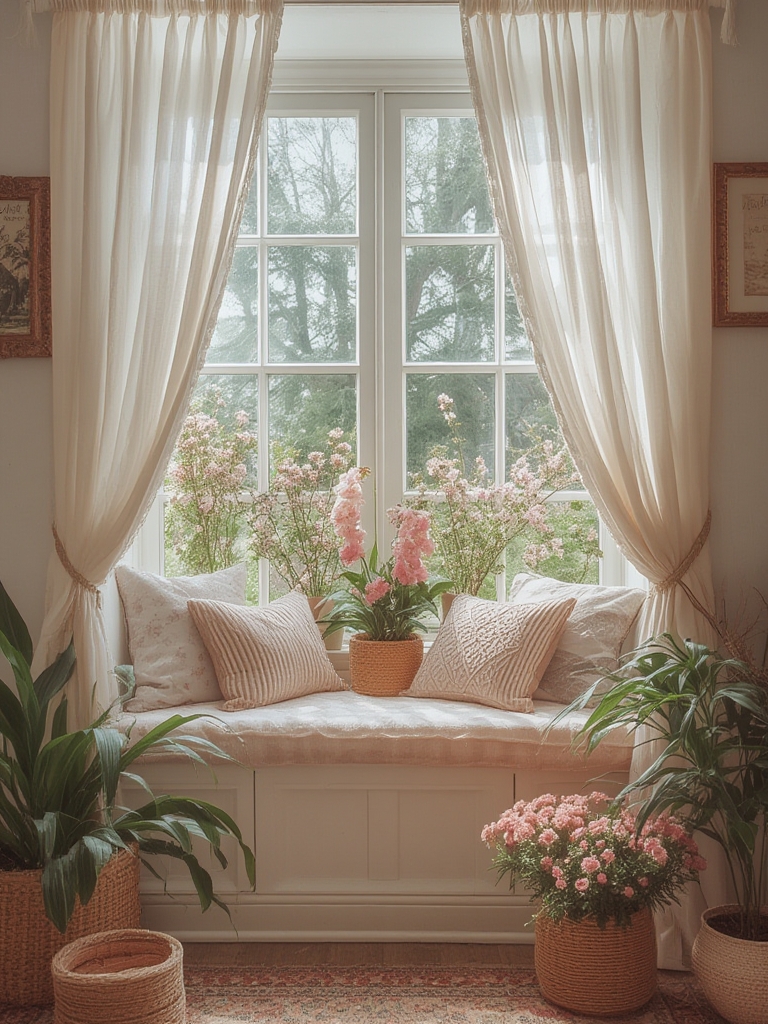
Herbs and aromatic plants are the heart‑beat of a fragrant garden, offering culinary delights, natural remedies, and a sensory escape right at your doorstep. By blending smart planting techniques with sustainable lighting, you can create a garden that not only thrives by day but also glows with magic after sunset. Below is a data‑driven, step‑by‑step guide that walks you through site selection, soil preparation, planting, maintenance, and evening ambience—each packed with actionable tips to guarantee success.
1. Choose the Right Site and Light Conditions
Assess Sun Exposure
- Data point: Most culinary herbs (basil, thyme, rosemary, sage) need 6–8 hours of direct sunlight for optimal essential oil production.
- Use a sunlight calculator app or a simple 10‑minute observation chart to record the sun’s path over a typical week.
- Pick a spot that meets the minimum sunlight requirement; if full sun isn’t possible, select shade‑tolerant aromatics like mint, lemon balm, and chives.
Soil Type & pH
- Ideal pH for most herbs: 6.0–7.0 (slightly acidic to neutral).
- Conduct a quick soil test using a home kit; if the pH is off, amend with lime (to raise) or elemental sulfur (to lower) based on the kit’s recommendations.
- Incorporate 2–3 inches of organic compost to improve texture, drainage, and microbial activity—key for aromatic oil synthesis.
2. Prepare the Garden Bed or Containers
Bed Layout
- Design raised beds 12‑18 inches deep; this prevents waterlogging and encourages root aeration.
- Space rows 18–24 inches apart to allow air circulation, reducing fungal risk.
- Use a grid layout (e.g., 2‑ft squares) for easy rotation and companion planting.
Container Gardening
- Select containers with drainage holes; a 12‑inch pot works for most single‑herb varieties.
- Fill with a 1:1 mix of high‑quality potting soil and coconut coir for moisture retention without sogginess.
- Place containers on a rotating stand to give each side equal sun exposure throughout the season.
3. Planting: Seeds vs. Transplants
Starting from Seed
- Seed germination rates improve by 15% when sown in a warm (70‑75°F) seed‑starting mix and covered with a clear dome for humidity.
- Sow shallow—just ¼ inch deep for tiny seeds like basil; larger seeds (rosemary) can be planted ½ inch deep.
- Keep the soil consistently moist (not soggy) until seedlings emerge, usually 7–14 days.
Using Transplants
- Purchase healthy seedlings with 2–3 true leaves; avoid leggy plants.
- Space according to the herb’s mature size: 12 inches for compact herbs (thyme, oregano) and 24 inches for larger ones (lavender, rosemary).
- Water thoroughly after planting to settle soil and eliminate air pockets.
4. Ongoing Care and Maintenance
Watering Strategy
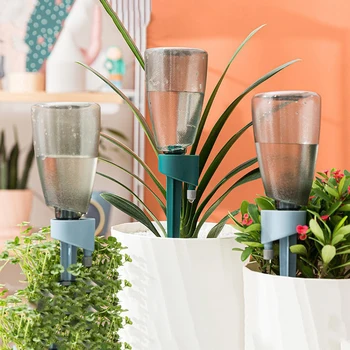
- Adopt the “deep‑and‑infrequent” method: water to a depth of 6 inches once a week, adjusting for rainfall.
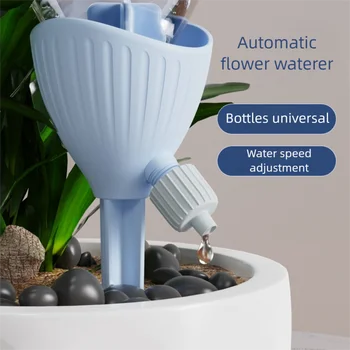
- Install a drip‑irrigation system with a flow rate of 0.5 gph per plant; this reduces water waste by up to 30% compared with overhead sprinklers.
- Mulch with shredded bark or straw to retain moisture and suppress weeds.
Feeding & Fertilization
- Apply a balanced organic fertilizer (10‑10‑10) at half the recommended rate every 6 weeks.
- For a boost in aromatic oils, use a light foliar spray of seaweed extract once a month during the growing season.
Pruning & Harvesting
- Pinch back the top 2 inches of growth once the plant reaches 6 inches tall; this encourages bushier growth and higher leaf yield.
- Harvest early in the morning after dew dries for maximum essential oil concentration.
- For perennial aromatics (lavender, rosemary), trim after flowering to prevent woody stems.
5. Sustainable Evening Lighting for a Magical Garden ✨🌙
Why Sustainable Lighting?
Data from the International Renewable Energy Agency shows that LED garden lighting can cut energy use by up to 80% compared with traditional halogen fixtures. Coupled with solar power, you can illuminate your herb garden without adding to your carbon footprint.
Step‑by‑Step Installation
- Choose solar LED path lights: Look for units with a 2‑year battery warranty and a luminous flux of 200–300 lumens for gentle, ambient glow.
- Positioning: Place lights 3–4 feet apart along walkways and 2 feet from the base of taller herbs (e.g., rosemary) to highlight foliage without scorching leaves.
- Mounting: Use stainless‑steel stakes; drive them 6 inches into the soil at a 45° angle for stability.
- Timing: Set the built‑in dusk‑to‑dawn sensor; if your lights lack this, connect them to a smart plug with a sunset schedule (e.g., 30 minutes before sunset).
- Enhance ambience: Add a few warm‑white fairy lights draped over trellises or hanging from pergola beams; this creates a “fairy garden” effect that complements aromatic scents.
Maintenance Tips
- Clean the solar panels monthly with a soft cloth to remove dust and pollen, ensuring optimal charging.
- Replace batteries every 2–3 years, or switch to a lithium‑ion pack for longer life.
- Inspect wiring and stakes after storms; tighten any loose connections to avoid outages.
6. Data‑Backed Benefits of an Aromatic Garden
- Health: Studies show that inhaling rosemary vapor can improve memory retention by up to 12% in short‑term tests.
- Economics: Home‑grown herbs can reduce grocery bills by $30–$50 per year for a family of four.
- Biodiversity: Aromatic plants attract pollinators; a 10‑plant lavender patch can increase local bee visits by 25%.
7. Quick Action Checklist
- Test soil pH and amend to 6.0–7.0.
- Lay out raised beds or select containers with proper drainage.
- Plant seeds or transplants at recommended spacing.
- Install drip irrigation and mulch.
- Set up solar LED lights with dusk‑to‑dawn sensors.
- Prune, harvest, and fertilize on schedule.
By following these evidence‑based steps, you’ll cultivate a thriving herb and aromatic garden that delights the senses by day and transforms your evenings into a sustainably lit, magical retreat. Happy gardening!