
Flower gardening can transform a modest plot into a vibrant oasis, even in challenging conditions like damp, shaded, or wet areas. By combining data‑driven plant selection with proven cultural practices, you can achieve reliable blooms and a garden that thrives year after year. Below is a step‑by‑step guide that walks you through site assessment, soil preparation, planting, maintenance, and seasonal care, with actionable tips for each phase.
1. Assess Your Garden Conditions
Measure Light Levels
Use a simple light meter or a smartphone app to record the average daily sunlight in each garden zone. Full sun is 6+ hours, partial shade is 3–6 hours, and deep shade is less than 3 hours. Record the data in a spreadsheet; this will help you match plants to the right light level.
Check Soil Moisture
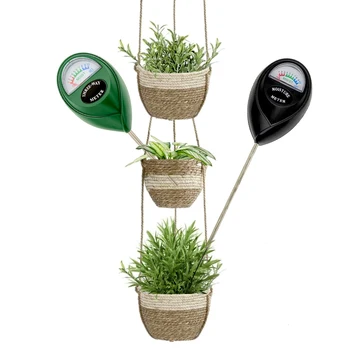
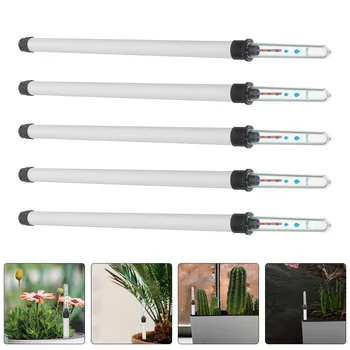
Insert a soil probe or a wooden dowel 6 inches deep and note how quickly it returns damp. Consistently wet soil indicates a low‑lying or poorly drained area, while dry soil after a rain suggests good drainage. Document the moisture rating (wet, moist, dry) for each zone.
Determine Soil pH
Collect a small sample from each zone and test with a home pH kit. Most flowering plants prefer a pH of 6.0–7.0, but some, like azaleas, thrive in more acidic soils (5.0–5.5). Record the results; you may need to amend the soil to suit your plant choices.
2. Choose the Right Flowers for Damp, Shaded, or Wet Areas
Based on the data you gathered, select varieties that are proven to perform well under specific conditions. Below are top picks, grouped by garden challenge.
Damp, Partially Shaded Gardens
- Astilbe (Astilbe spp.) – Thrives in moist, fertile soil with 4–6 hours of filtered light. Choose cultivars like ‘Fanal’ for deep pink blooms.
- Hosta (Hosta spp.) – Excellent foliage that tolerates damp shade; look for ‘Patriot’ for striking variegation.
- Bleeding Heart (Lamprocapnos spectabilis) – Prefers consistently moist soil and partial shade; the ‘Alba’ form offers white flowers.
Wet or Waterlogged Zones
- Japanese Iris (Iris ensata) – Grows in standing water up to 2 inches deep; choose ‘Variegata’ for colorful foliage.
- Marsh Marigold (Caltha palustris) – Early spring bloomer that loves soggy soil; spreads quickly, so plant in containment.
- Swamp Hibiscus (Hibiscus moscheutos) – Tolerates wet conditions and produces large, showy flowers; ‘Midnight’ offers deep magenta petals.
Deep Shade (Less Than 3 Hours Sun)
- Ferns (e.g., Athyrium filix-femina) – Provide texture and thrive in low‑light, moist environments.
- Impatiens (Impatiens walleriana) – The modern ‘New Guinea’ series tolerates shade and humidity, delivering continuous color.
- Heuchera (Heuchera spp.) – Known as coral bells; foliage adds interest where flowers may be sparse.
3. Prepare the Soil for Optimal Growth
Amend with Organic Matter
In each zone, incorporate 2–3 inches of well‑rotted compost or leaf mold. This improves structure, increases water‑holding capacity for dry spots, and enhances drainage in wet areas. Use a garden fork to blend the amendment to a depth of 12 inches.
Improve Drainage in Wet Areas
If your soil test shows poor drainage, create raised beds or install a French drain. A simple raised bed can be built with untreated lumber, filled with a 50/50 mix of garden soil and coarse sand or perlite. This elevates the root zone and prevents waterlogging.

Adjust pH as Needed
To raise pH (make soil more alkaline), spread garden lime at the rate recommended by your soil test (usually 5–10 lb per 100 sq ft). To lower pH, incorporate elemental sulfur. Re‑test after 2 weeks to confirm the target range.
4. Planting Techniques for Success
Timing
Plant cool‑season flowers (e.g., astilbe, hosta) in early spring or fall when soil temperatures are 50–65 °F (10–18 °C). Warm‑season varieties (e.g., Japanese iris) should be set out after the last frost, when night temperatures stay above 50 °F.
Spacing and Depth
Follow label recommendations, but a good rule of thumb is to space plants at 1.5× their mature width. Plant at the same depth they were in the nursery pot; for rhizomatous plants like iris, keep the crown just above the soil line to prevent rot.
Watering In
Immediately after planting, water thoroughly to settle the soil around the roots. Use a slow‑drip hose or soaker pipe to deliver 1 inch of water per week, adjusting for rainfall. In damp zones, aim for a gentle soak rather than a heavy pour to avoid compaction.
5. Ongoing Care and Maintenance
Mulching
Apply a 2–3 inch layer of shredded bark, pine needles, or straw. Mulch conserves moisture, suppresses weeds, and gradually adds organic matter. Keep mulch a few inches away from stems to prevent rot.
Fertilizing
Use a balanced, slow‑release fertilizer (10‑10‑10) at a rate of 1 lb per 100 sq ft in early spring. For shade‑loving plants, a light application of a high‑phosphorus fertilizer (e.g., 5‑10‑5) encourages root development without promoting excessive foliage.
Pruning and Deadheading
Remove spent blooms weekly to encourage repeat flowering. In late summer, cut back foliage of perennials like hosta to a few inches above ground; this reduces disease pressure in damp environments.
Pest and Disease Monitoring
Inspect leaves weekly for signs of slugs, aphids, or fungal spots. Use organic controls: hand‑pick slugs at night, spray neem oil for aphids, and apply a copper-based fungicide for early rust or leaf spot symptoms. Record any incidents in your garden log to spot patterns.
6. Seasonal Adjustments
Winter Protection
In colder climates, mulch heavily (4–6 inches) around the base of perennials in late fall. For tender wet‑area plants like Japanese iris, cover crowns with straw or burlap to insulate roots.
Spring Refresh
As new growth emerges, divide overcrowded clumps (e.g., hosta, astilbe) every 3–4 years. Dig up the plant, separate the sections with a sharp knife, and replant at the same depth. This rejuvenates vigor and prevents competition for nutrients.
7. Track Your Success with Data
Maintain a simple garden journal—digital or paper—where you log planting dates, weather conditions, fertilizer applications, and bloom performance. Over time, this data will reveal which varieties truly excel in your micro‑climate, allowing you to refine future plant selections and care routines.
By following these evidence‑based steps and tailoring choices to your garden’s specific moisture and light profile, you’ll enjoy a lush, colorful flower garden that thrives in damp, shaded, or wet areas. Happy planting!
