
Flower gardening is more than just adding color to your yard—it’s a rewarding blend of science, art, and ecology. By following a data‑driven, step‑by‑step approach, even beginners can create a thriving, pollinator‑friendly garden that attracts bees, butterflies, and beneficial insects while delivering stunning blooms all season long.
1. Choose the Right Site and Soil Conditions
Assess Sunlight Exposure
Most flowering plants need 6–8 hours of direct sunlight daily. Use a sunlight meter or a simple smartphone app to log light levels in different spots for a week. Record the average lux; aim for 30,000–50,000 lux for full‑sun species.
Test and Amend Soil
Conduct a basic soil test (pH, nitrogen, phosphorus, potassium). Ideal pH for most flowers is 6.0–7.0. If the pH is off, amend with:
- Dolomite lime to raise pH (add 5 lb per 100 sq ft for every 0.5 pH unit increase).
- Sulfur to lower pH (apply 2 lb per 100 sq ft for a 0.5 unit drop).
Incorporate 2–3 inches of compost to improve texture and microbial activity.
2. Select a Balanced Mix of Flowers and Pollinator‑Friendly Herbs
Core Blooming Plants
Choose a combination of early, mid, and late‑season bloomers to ensure continuous color and food sources for pollinators:
- Early: Crocus, Pansy, Sweet Alyssum.
- Mid: Lavender, Coneflower (Echinacea), Black-eyed Susan.
- Late: Asters, Sedum, Japanese Anemone.
Pollinator‑Friendly Herbs
Interplant herbs that double as culinary delights and insect magnets:
- Basil (Ocimum basilicum) – attracts bees with its aromatic foliage.
- Thyme (Thymus vulgaris) – low‑growth groundcover that provides nectar.
- Mint (Mentha spp.) – vigorous spread; plant in containers to prevent invasiveness.
- Fennel (Foeniculum vulgare) – tall umbels draw butterflies and predatory wasps.
Space herbs 12–18 inches apart to avoid competition while still offering easy access for pollinators 🐝🦋🌸.

3. Planting Techniques for Maximum Success
Timing and Depth
Plant in early spring after the last frost (average 32 °F/0 °C). Follow these depth guidelines:
- Bulbs: plant at a depth of 2–3× the bulb’s height.
- Perennials: set the crown 1–2 inches below soil surface.
- Herbs: sow seeds ¼‑½ inch deep; transplant seedlings at the same depth they grew in pots.
Spacing for Airflow
Proper spacing reduces disease pressure. Use the “two‑to‑three‑times” rule: leave a gap of 2–3× the mature plant’s width. This improves airflow, which lowers humidity and discourages fungal growth.
4. Watering, Feeding, and Maintenance
Smart Watering Schedule
Apply water early in the morning to minimize evaporation. A data‑driven rule of thumb:
- Newly planted beds: 1 inch of water per week (≈0.62 gal per sq ft).
- Established perennials: reduce to ½ inch per week, increasing during heat spikes (>90 °F/32 °C).
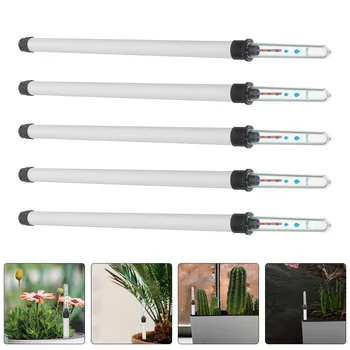
Use a rain gauge or moisture sensor to track actual soil moisture and avoid over‑watering.
Fertilization Strategy
Feed with a balanced, slow‑release fertilizer (10‑10‑10) at a rate of 0.5 lb per 100 sq ft in early spring. For a boost during peak bloom, apply a liquid sea‑weed extract (1 tbsp per gallon of water) every 4 weeks.
Mulching and Weed Control
Spread 2–3 inches of organic mulch (shredded bark, straw, or leaf mold). Mulch conserves moisture, moderates soil temperature, and suppresses weeds—reducing competition for nutrients.
5. Integrated Pest Management (IPM) and Beneficial Insects
Monitoring and Early Detection
Inspect plants weekly. Use a simple scoring system:
- 0 = No pests.
- 1 = Occasional aphids or spider mites.
- 2 = Visible damage (>5% leaf area).
- 3 = Outbreak requiring intervention.
When scores reach 2 or higher, act promptly.
Natural Controls
Introduce beneficial insects:
- Lady beetles – prey on aphids.
- Parasitic wasps – target caterpillars.
- Ground beetles – consume slugs.
Plant a “bug hotel” (stacked wooden blocks, straw, and bamboo) in a sunny corner to provide shelter.
Organic Sprays
For moderate infestations, use a homemade neem oil spray (1 tsp neem oil + 1 tsp liquid soap per quart water). Apply early morning or late afternoon to protect pollinators.
6. Enhancing Habitat for Bees, Butterflies, and Other Beneficials
Provide Nesting Sites
Leave patches of bare, sunny ground for ground‑nesting bees. Install bee houses (drilled wooden blocks, ½‑inch holes) at 3–5 ft height, facing southeast.
Water Sources
Place a shallow dish with pebbles and water near the garden. Keep the water level low to prevent drowning; refill weekly.
Seasonal Plant Rotation
Rotate annuals and herbs each year to maintain a fresh nectar supply. Keep a planting calendar that tracks bloom periods, ensuring at least 4–6 weeks of overlapping flowering.
7. Tracking Progress and Making Data‑Driven Adjustments
Garden Journal
Log key metrics:
- Planting dates and varieties.
- Soil pH and nutrient levels (quarterly).
- Water usage (gallons per week).
- Pollinator sightings (species, frequency).
Review entries at the end of each season to identify trends—e.g., a drop in bee activity may signal a need for more nectar‑rich plants.
Use Simple Analytics
Take weekly photos and use a free image‑analysis app to estimate bloom density (percentage of garden covered). Aim for a steady increase of 5–10% per month during the growing season.
By following these evidence‑based steps, you’ll cultivate a vibrant flower garden that not only dazzles the eye but also supports a healthy ecosystem of pollinators and beneficial insects. Happy gardening! 🐝🦋🌸
