Flower gardening isn’t just about adding color to your yard—it’s a rewarding blend of science, art, and seasonal strategy. By following a data‑driven approach, you can boost bloom density, extend flowering periods, and even turn your garden into a mini‑harvest for fresh bouquets, edible petals, and DIY crafts. Below is a step‑by‑step guide that walks you through every phase, from site selection to post‑harvest creativity, with practical tips you can implement today.
1. Choose the Right Location and Soil
Assess Sunlight and Microclimate
- Full sun (6‑8 hours): Ideal for most annuals and many perennials such as roses, lavender, and marigolds.
- Partial shade (3‑5 hours): Perfect for shade‑loving species like impatiens, begonias, and foxglove.
- Use a local weather station or a smartphone app to track average daily sunlight for your zip code. Aim for a minimum of 5 hours of direct sun for high‑bloom varieties.
Test and Amend Soil
Take a soil sample (about 6 inches deep) and send it to a local extension service. Target a pH of 6.0‑6.5 for most flowering plants. Amend as follows:
- Low pH (acidic): Add 1 lb of garden lime per 100 sq ft.
- High pH (alkaline): Incorporate 2 lb of elemental sulfur per 100 sq ft.
- Mix in 2‑3 inches of well‑rotted compost to improve structure and water retention.
2. Plan Your Planting Layout
Use a Simple Grid System
Sketch a garden plan on graph paper (1 sq in = 1 ft). Allocate space based on mature plant width:
- Small annuals (e.g., petunias): 8‑12 in spacing.
- Medium perennials (e.g., coneflowers): 18‑24 in spacing.
- Large shrubs (e.g., roses): 36‑48 in spacing.
This grid helps prevent overcrowding, which can reduce air flow and increase disease risk.
Companion Planting for Pest Management
Pair flowers that repel pests with those that attract beneficial insects:
- Nasturtiums deter aphids and attract predatory wasps.
- Marigolds release thiophene compounds that repel nematodes.
- Lavender draws bees for pollination while deterring moths.
3. Planting Techniques
Timing Is Key
Consult your USDA hardiness zone (e.g., Zone 7a). Plant cool‑season flowers (pansies, snapdragons) 4‑6 weeks before the last frost. Warm‑season varieties (zinnias, sunflowers) should be sown after soil temperatures consistently reach 65 °F.
Depth and Orientation
- Place the root ball at the same depth it was in the nursery pot; a shallow planting can cause root exposure.
- For tuberous perennials (e.g., dahlias), plant the “eyes” 2‑3 in below soil surface.
- Water in a slow, deep soak (≈10 minutes) to settle soil around roots.
4. Watering, Feeding, and Maintenance
Smart Watering Schedule
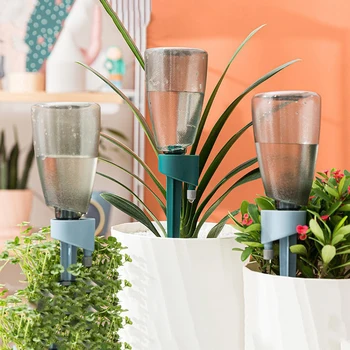
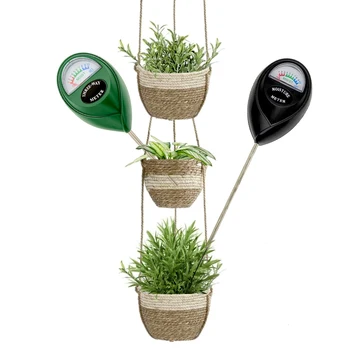
Use a moisture meter or the “finger test” (soil should feel moist 2 in down). Water early morning 2‑3 times per week, adjusting for rainfall. Over‑watering can lead to root rot, while under‑watering reduces bud formation.

Fertilization Strategy
- Starter fertilizer: 10‑10‑10 NPK at planting, 1 lb per 100 sq ft.
- Bloom booster: Switch to a high‑phosphorus formula (e.g., 5‑10‑10) every 4‑6 weeks during peak flowering.
- Apply organic options like fish emulsion or seaweed extract for a gentle, steady nutrient release.
Deadheading and Pruning
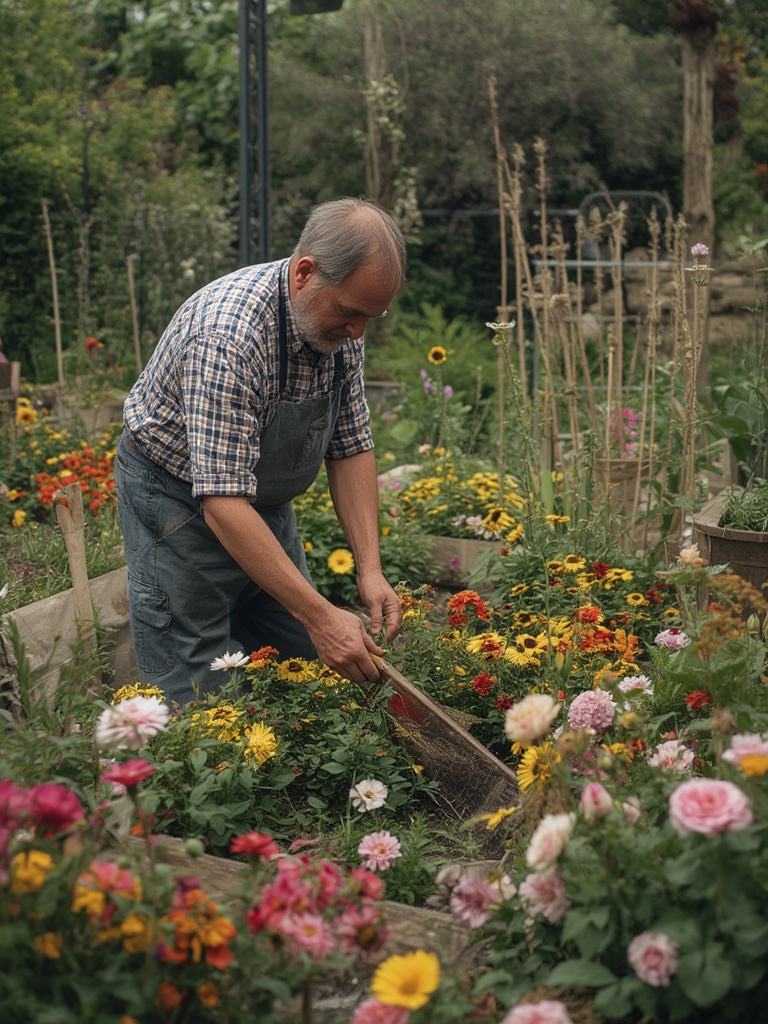
Remove spent blooms weekly to redirect energy into new flower production. For woody perennials, prune in early spring to shape and remove dead wood, encouraging vigorous growth.
5. Harvesting and Creative Uses
Cutting Fresh Bouquets
Harvest stems in the cool of the morning when water content is highest. Cut at a 45° angle, and immediately place stems in a bucket of cool water. Use a floral preservative (1 tsp per gallon) to extend vase life up to 10 days.
Edible Flowers and Culinary Ideas
- Calendula petals: Sprinkle over salads for a peppery zest.
- Rose hips: Simmer into a vitamin‑C rich tea.
- Lavender buds: Infuse into honey for a fragrant sweetener.
DIY Projects
- Pressed flower art: Place blooms between parchment paper and heavy books for 2‑3 weeks, then frame.
- Natural potpourri: Dry a mix of rose petals, lavender, and chamomile; store in airtight jars.
- Garden markers: Glue small dried flowers onto wooden sticks for a decorative labeling system.
6. Monitoring Success with Simple Metrics
Track Bloom Density
Count the number of open flowers per plant weekly. Aim for a 10‑15 % increase each month after initial establishment. Use a spreadsheet or a free garden app to log data and spot trends.
Analyze Pest Incidence
Record any pest sightings (type, location, severity). If you notice a >5 % increase in aphid populations, introduce ladybugs or apply a neem oil spray (2 tsp per gallon) as a corrective measure.
Soil Moisture Trends
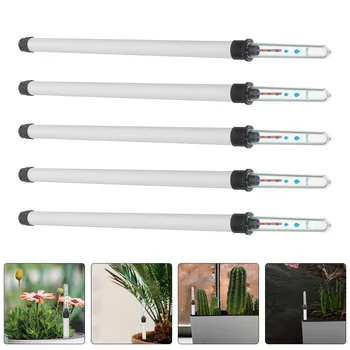
Install a simple rain gauge and a soil moisture sensor. Correlate watering events with bloom performance; adjust schedule accordingly to avoid over‑watering during humid periods.
7. Seasonal Wrap‑Up and Preparation for Next Year
End‑of‑Season Clean‑Up
After the first frost, cut back all perennials to 2‑3 in above ground. Mulch with shredded leaves to protect roots over winter and add organic matter.
Divide and Relocate
Every 3‑4 years, dig up clump‑forming perennials (e.g., geraniums, hostas) and divide them. This rejuvenates growth and provides extra plants for new garden beds.
Plan for the Next Growing Cycle
Review your metrics, note which varieties performed best, and adjust spacing or companion pairings for the upcoming season. A data‑driven review ensures continuous improvement and a more vibrant garden year after year.
By following these evidence‑based steps and sprinkling in a few creative harvest ideas, you’ll turn a simple flower garden into a thriving, multi‑purpose oasis that delights the eyes, palate, and imagination.