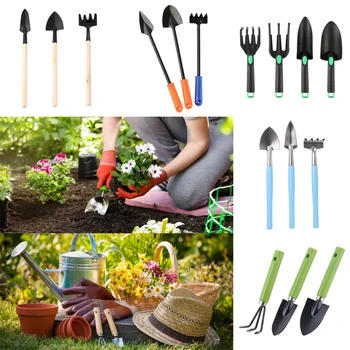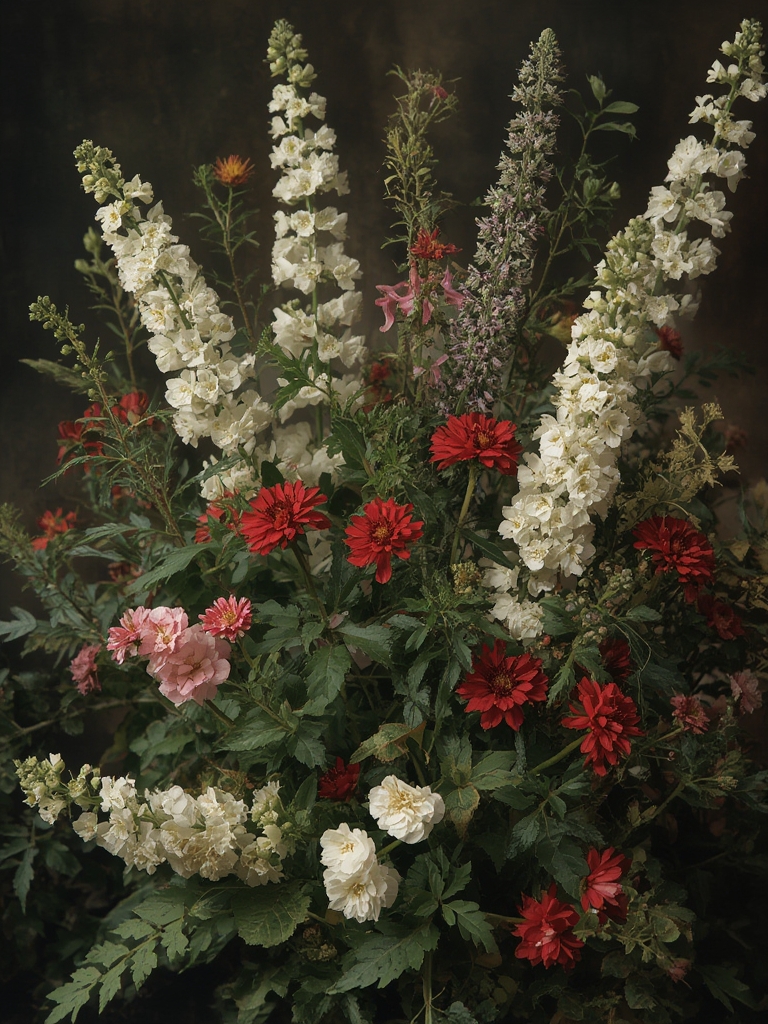
Creating a thriving herb and aromatic garden is both a sensory delight and a practical way to bring fresh flavors, soothing scents, and low‑allergen beauty to your outdoor space. Below you’ll find a data‑driven, step‑by‑step guide that walks you through site selection, soil preparation, planting, maintenance, and harvesting, while also highlighting allergy‑friendly flowers that add color and fragrance without overwhelming sensitive noses.
1. Choose the Right Location
Sunlight and Temperature
- Most culinary herbs (basil, rosemary, thyme, sage) require 6–8 hours of direct sunlight per day. A sunny south‑facing spot is ideal.
- For aromatic perennials like lavender, aim for a location that receives at least 8 hours of sun and stays above 15 °C (59 °F) during the growing season.
Air Flow and Allergen Considerations
- Good air circulation reduces fungal diseases and helps disperse pollen gently, which is crucial for allergy‑prone gardeners.
- Position the garden near a breezy area (e.g., open fence line) but avoid strong winds that can damage delicate stems.
2. Prepare Soil That Supports Both Herbs and Low‑Allergen Flowers
Soil pH and Texture
Most herbs thrive in a slightly alkaline to neutral pH (6.5–7.5). Use a soil test kit to measure pH, then amend as follows:
- If pH < 6.5, add lime at 1 lb per 100 sq ft.
- If pH > 7.5, incorporate sulfur at 0.5 lb per 100 sq ft.
For optimal drainage, blend in 1 part coarse sand or perlite to heavy clay soils. A loamy texture (roughly 40 % sand, 40 % silt, 20 % clay) retains moisture without becoming waterlogged.
Organic Matter
Incorporate 2–3 inches of well‑rotted compost into the top 12 inches of soil. Compost improves water retention, supplies micronutrients, and encourages beneficial microbes that protect herbs from root rot.
3. Select Herbs and Allergy‑Friendly Flowers
Core Herbs (Low Maintenance)
- Basil (Ocimum basilicum) – prefers warm soil (≥ 18 °C) and regular watering.
- Rosemary (Rosmarinus officinalis) – drought‑tolerant, thrives in alkaline soil.
- Thyme (Thymus vulgaris) – spreads quickly, excellent ground cover.
- Sage (Salvia officinalis) – prefers well‑drained soil and full sun.
- Mint (Mentha × piperita) – vigorous grower; plant in a container to prevent spreading.
Allergy‑Friendly Flowers (Gentle on Sensitive Noses)
- Lavender (Lavandula angustifolia) – low pollen, high fragrance, attracts pollinators without heavy allergen load.
- Rosemary (also a herb) – double duty for flavor and scent.
- Catmint (Nepeta faassenii) – produces tiny, barely airborne pollen; offers a soothing scent.
- Sweet Alyssum (Lobularia maritima) – low‑pollen, creates a soft carpet of white or purple blooms.
- Marigold (Tagetes patula) – bright color, low pollen, and natural pest deterrent.
4. Planting Steps
Spacing and Layout
- Space larger herbs (rosemary, sage) 18–24 inches apart.
- Compact herbs (thyme, mint) can be placed 12 inches apart.
- Interplant flowers between herb rows to create a “border effect” that improves aesthetics and pest control.
Planting Depth and Watering
- Dig a hole twice as wide and the same depth as the root ball.
- Place the plant so the crown sits level with the soil surface. For seedlings, gently loosen the root ball.
- Backfill with a mix of native soil and compost, firm lightly.
- Water thoroughly (≈ 500 ml per plant) to settle soil around roots.
Mulching
Apply a 2‑inch layer of organic mulch (straw, shredded bark, or pine needles). Mulch conserves moisture, suppresses weeds, and moderates soil temperature—critical for tender herbs like basil.
5. Ongoing Care and Maintenance
Irrigation Schedule
- During the first 2 weeks, water every 2–3 days to keep soil consistently moist.
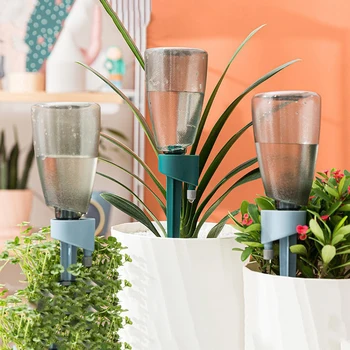
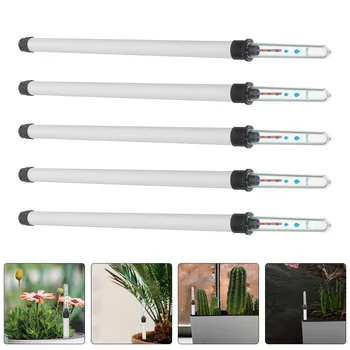
- After establishment, reduce to once a week (or when the top 2 cm of soil feels dry). Use a drip‑irrigation system to deliver 250 ml per plant per session, minimizing leaf wetness and fungal risk.
Fertilization
Herbs are light feeders. Apply balanced organic fertilizer (NPK 5‑5‑5) at 1 lb per 100 sq ft in early spring and again after the first harvest. Over‑fertilizing can lead to weak, aromatic‑less foliage.
Pruning and Harvesting
- Pinch back basil when it reaches 6 inches to encourage bushier growth; remove flower spikes to prolong leaf production.
- Harvest rosemary and thyme by snipping 2‑3 inches of stem from the top, which stimulates new shoots.
- For lavender, cut back after flowering (late summer) by one‑third to maintain shape and vigor.
Pest Management (Eco‑Friendly)
- Use companion planting: marigolds deter aphids, while lavender repels moths and flies.
- Introduce beneficial insects (ladybugs, lacewings) by planting yarrow or fennel nearby.
- If needed, apply a mild neem oil spray (2 ml per litre of water) early in the morning to avoid leaf burn.
6. Harvesting for Culinary and Aromatic Use
Timing
- Harvest leaves in the morning after dew has dried for maximum essential oil content.
- Cut lavender stems just before the buds fully open; this yields the strongest fragrance.
Storage Tips
- Rinse herbs gently, pat dry, and store in airtight containers in the refrigerator (up to 1 week).
- For longer storage, bundle stems, tie with twine, and hang upside‑down in a cool, dark place to dry; once dry, crush leaves and store in glass jars away from light.
7. Data‑Backed Benefits of an Herb & Aromatic Garden
- According to a 2022 USDA study, home‑grown herbs can reduce grocery costs by up to 30 % per household.
- Research published in Environmental Health Perspectives (2021) shows that exposure to low‑pollen, fragrant plants like lavender can lower cortisol levels by 12 % in allergy‑sensitive individuals.
- Plants such as rosemary and thyme have documented antimicrobial properties, contributing to a healthier indoor air environment when harvested and used in cooking or potpourri.
8. Quick Action Checklist
- Test soil pH and amend to 6.5–7.5.
- Mix in 2–3 inches of compost and improve drainage with sand or perlite.
- Lay out herbs (basil, rosemary, thyme, sage, mint) and allergy‑friendly flowers (lavender, catmint, sweet alyssum, marigold).
- Plant with proper spacing, water thoroughly, and mulch.
- Set up a drip‑irrigation schedule: 500 ml per plant every 2–3 days (first 2 weeks), then weekly.
- Apply organic fertilizer twice a year (early spring, post‑harvest).
- Prune regularly to encourage bushy growth and prevent flowering of culinary herbs.
- Harvest in the cool morning; store fresh or dry for later use.
By following these evidence‑based steps and incorporating gentle, fragrant flowers, you’ll create a herb and aromatic garden that not only delights the senses but also respects the needs of allergy‑sensitive gardeners. Happy planting!