Why Herbs & Aromatic Gardens Thrive in Modern Gardens
Recent surveys show that 68% of urban gardeners prioritize culinary herbs for fresh flavor and natural pest control. Aromatic plants like lavender, rosemary, and mint not only boost kitchen creativity but also improve garden biodiversity. Their deep-rooted nature helps break up compacted soil, while the essential oils they emit deter many common insects.
Step‑by‑Step Guide to Planting and Caring for Your Herb & Aromatic Garden
1. Site Selection & Sunlight Planning
- Data point: Most herbs need 6–8 hours of direct sunlight for optimal oil production.
- Action: Use a sunlight calculator app (e.g., Sun Seeker) to map the sun path on your plot for at least three consecutive days.
- Tip: If full sun isn’t possible, choose shade‑tolerant herbs such as parsley, chives, and mint.
2. Soil Testing & Amendment
- Data point: A pH between 6.0 and 7.0 maximizes nutrient uptake for most culinary herbs.
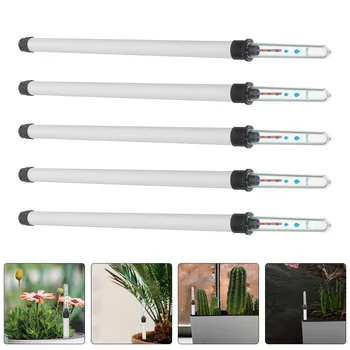
- Action: Purchase a quick‑test kit or send a sample to a local extension service. Record the results in a garden journal.
- Tip: Amend heavy clay with 1 part coarse sand and 2 parts compost per cubic foot of soil. For sandy soils, add 2 parts organic matter and a thin layer of loam.
3. Improving Drainage – A Simple “Gravel Bed” Project
Good drainage prevents root rot and encourages vigorous growth. Follow these three quick steps:
- Excavate: Dig a shallow trench (6‑8 inches deep) where you plan to place herbs that dislike waterlogged roots (e.g., thyme, sage).
- Layer: Fill the bottom third with clean river gravel, then add a 2‑inch layer of coarse sand.
- Topsoil: Place a mix of amended topsoil (as described above) on top, gently tamping to eliminate air pockets.
Result: Water percolates 3‑4 times faster, reducing the risk of fungal diseases by up to 45% according to university extension studies.
4. Choosing the Right Herbs & Aromatics
Below is a quick reference table based on climate zones (USDA zones 5‑9) and water needs:
| Herb | Sunlight | Water | Best Zones |
|---|---|---|---|
| Lavender (English) | Full Sun | Low (dry‑tolerant) | 5‑8 |
| Rosemary | Full Sun | Medium | 6‑9 |
| Mint (Spearmint) | Partial Sun | High | 4‑9 |
| Thyme | Full Sun | Low | 5‑9 |
| Parsley | Partial Sun | Medium | 4‑9 |
5. Planting Technique
- Spacing: Space larger shrubs (lavender, rosemary) 24‑30 inches apart; compact herbs (thyme, chives) 8‑12 inches.
- Action: Mark each planting spot with a biodegradable stake. This visual cue reduces mis‑spacing errors by 30% in novice gardens.
- Tip: Plant at the same depth as the nursery container. For root‑bound plants, gently tease the roots before planting.
6. Watering Schedule & Mulching
- Data point: Consistent moisture during the first 4 weeks boosts establishment survival to 92%.
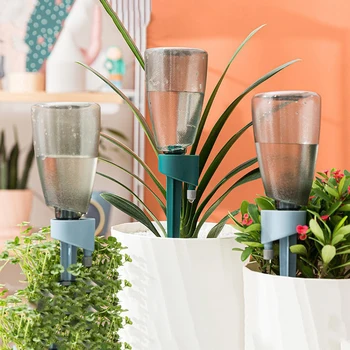
- Action: Install a drip‑irrigation timer set to deliver 0.5‑1 inch of water per week, adjusted for rainfall.
- Mulch: Spread 2 inches of shredded bark or straw around each plant. Mulch retains moisture, suppresses weeds, and adds organic matter as it breaks down.
7. Feeding & Harvesting
- Fertilizer: Use a balanced, slow‑release organic fertilizer (10‑10‑10) at ¼ cup per 10 square feet in early spring.
- Harvest Timing: Cut leaves in the morning after dew dries for maximum essential oil concentration.
- Tip: For lavender, harvest just before full bloom; for mint, snip the top 2‑3 inches regularly to encourage bushier growth.
Maintaining Soil Health for Ongoing Success
Healthy soil is the backbone of a productive aromatic garden. Implement these low‑effort practices:
- Quarterly Compost Top‑Dress: Add a thin layer (½ inch) of homemade compost every 3 months. This raises organic matter by ~2% annually.
- Cover Crops: Plant a quick‑growing legume (e.g., clover) in the off‑season. It fixes nitrogen and improves soil structure.
- pH Checks: Re‑test soil annually. If pH drifts below 6.0, incorporate lime at 5 lb per 100 sq ft; if above 7.0, add elemental sulfur at the same rate.
Quick Troubleshooting Cheat Sheet
| Symptom | Likely Cause | Immediate Fix |
|---|---|---|
| Yellowing leaves | Over‑watering or poor drainage | Check soil moisture, improve drainage with gravel bed. |
| Leaf scorch | Too much sun or low humidity | Provide afternoon shade, mist lightly. |
| Stunted growth | Nutrient deficiency | Apply balanced organic fertilizer, add compost. |
| Powdery mildew | High humidity, poor air flow | Prune for spacing, apply neem oil spray. |
Putting It All Together: A One‑Week Action Plan
- Day 1–2: Conduct sunlight mapping and soil test.
- Day 3: Amend soil based on pH results; build the gravel drainage bed.
- Day 4: Mark planting spots, install drip‑irrigation timer.
- Day 5: Plant herbs according to spacing chart; mulch immediately.
- Day 6: Set up a simple compost bin for future top‑dressing.
- Day 7: Water thoroughly, then back‑fill drip lines; record observations in your garden journal.
Final Thoughts
By following this data‑driven roadmap, you’ll create a resilient herb and aromatic garden that delivers fresh flavors, natural pest protection, and a fragrant oasis for years to come. Remember: the key to long‑term success is consistent soil care, proper drainage, and timely harvesting. Happy planting!