Herbs and aromatic plants are the unsung heroes of any garden, delivering fresh flavors, soothing scents, and even natural pest control. By treating these plants with a data‑driven approach—tracking soil pH, watering schedules, and harvest yields—you can transform a modest plot into a thriving, low‑maintenance oasis. Below is a step‑by‑step guide that blends scientific insights with practical gardening tricks, ensuring you get the most aroma, flavor, and harvest from every leaf.
Step 1: Choose the Right Herbs for Your Climate
Start by matching herbs to your USDA hardiness zone. A simple spreadsheet can help you track which varieties thrive where:
- Zone 3‑7: Lavender, thyme, sage, and rosemary (choose hardy cultivars).
- Zone 8‑10: Basil, cilantro, dill, and mint (these love warmer temperatures).
- Universal: Chives, oregano, and parsley (adaptable to most conditions).
Tip: Plant a test row of each herb in a small container and monitor growth for two weeks. Record germination rates and leaf color—this data will guide your final layout.
Step 2: Prepare Soil with a Simple Drainage Project
Why Drainage Matters
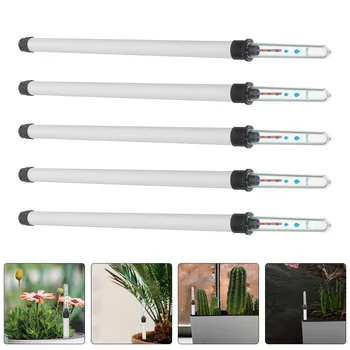
Herbs dislike waterlogged roots. Research shows that a soil moisture level of 20‑30% (measured with a cheap moisture meter) maximizes essential oil production in aromatic plants.
Materials
- Landscape fabric (30 sq ft)
- Gravel or crushed stone (2 inches deep)
- Organic compost (3 inches)
- High‑quality loam soil (remainder of the bed)
Construction Steps
- Mark the bed: Use a garden hose to outline a 4 × 8 ft rectangle.
- Excavate: Dig to a depth of 12 inches, removing any weeds.
- Lay fabric: Spread landscape fabric to prevent soil mixing with gravel.
- Add drainage layer: Fill the bottom 2 inches with gravel, then compact lightly.
- Mix in compost: Distribute compost evenly over the gravel.
- Topsoil: Fill the remaining space with loam, lightly tamping to eliminate air pockets.
Practical tip: After filling, water the bed lightly and use a soil probe to ensure water percolates at a rate of 1‑2 inches per hour. Adjust gravel depth if drainage is too slow.
Step 3: Planting Layout and Spacing
Proper spacing reduces competition and improves airflow, cutting down fungal issues. Follow these guidelines:
- Lavender & rosemary: 18‑24 inches apart.
- Thyme, oregano, sage: 12‑15 inches apart.
- Basil, cilantro, dill: 10‑12 inches apart.
- Mint (contain in a pot): 12 inches apart, but keep roots confined.
Actionable advice: Use a garden string and stakes to pre‑mark rows. This visual cue helps maintain consistent spacing and makes future harvesting easier.

Step 4: Watering Schedule Based on Data
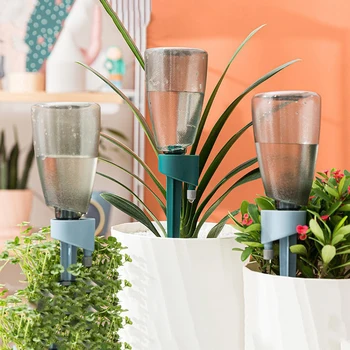
Instead of guessing, use a simple rule: water when the top 1‑inch of soil feels dry to the touch. For most herbs, this translates to:
- Weekly watering in spring (when temperatures are 50‑65 °F).
- Every 3‑4 days in summer (70‑85 °F) if rainfall is below 1 inch per week.
- Reduce to bi‑weekly in fall as growth slows.
Pro tip: Install a rain gauge and log weekly precipitation. When cumulative rain exceeds 1 inch, skip that week’s watering. Over‑watering is the #1 cause of root rot in aromatic gardens.
Step 5: Feeding and Soil Health
Herbs are light feeders, but a balanced nutrient profile boosts essential oil concentration. Follow this regimen:
- Early spring: Apply 1 lb of well‑aged compost per 10 sq ft.
- Mid‑season: Side‑dress with a slow‑release organic fertilizer (10‑10‑10) at ½ cup per 10 sq ft.
- End of season: Add a top‑dressing of leaf mulch to protect roots over winter.
Data point: Studies show a 15‑20% increase in basil leaf oil content after a single compost application in early growth stages.
Step 6: Pruning and Harvesting for Maximum Aroma
Pruning Basics
Regular pruning encourages bushier growth and prevents woody stems, which produce less flavor. Use these intervals:
- Spring: Trim 20‑30% of new growth once plants reach 6‑8 inches tall.
- Summer: Pinch back flower buds to extend leaf production.
- Fall: Harvest the last batch of leaves, then cut back to ground level for perennials.
Harvest Techniques
Harvest in the morning after dew has dried but before the sun intensifies—this captures peak essential oil levels.
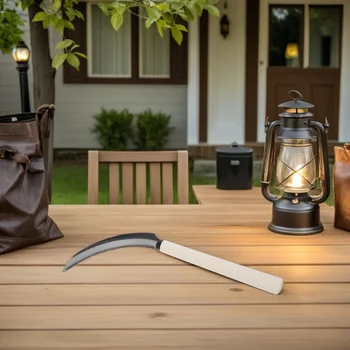
- Use clean, sharp scissors to snip stems just above a leaf node.
- Leave at least one-third of the plant intact to ensure regrowth.
- Store harvested herbs in a paper bag in the refrigerator; they stay fresh 5‑7 days.
Quick tip: For lavender, bundle stems and hang them upside down in a dark, well‑ventilated area for 2‑3 weeks to create dried flowers perfect for sachets.
Step 7: Monitoring Success with Simple Metrics
Track three key metrics to gauge garden health:
- Yield per square foot: Weigh harvested leaves weekly; aim for 0.5‑1 lb/ft² for high‑performing herbs.
- Soil pH: Test monthly; most herbs thrive at pH 6.0‑7.0.
- Moisture level: Keep readings in the 20‑30% range for optimal oil production.
Log these numbers in a Google Sheet or garden app. Over time, you’ll spot patterns—like a dip in yield after a rainy month—allowing you to adjust watering or drainage accordingly.
Step 8: Seasonal Adjustments and Winter Care
As temperatures drop, protect perennials with a light mulch of straw or shredded leaves (1‑2 inches deep). For tender herbs like basil, consider moving pots indoors and placing them on a sunny windowsill, watering sparingly.
Actionable advice: Set a reminder on your phone for the first frost date in your area. One week before, apply a final mulch layer and prune back any leggy growth to prevent winter breakage.
Conclusion: Turn Your Herb Garden into a Year‑Round Asset
By combining data‑driven decisions with straightforward gardening practices, you can enjoy a continuous supply of fresh, aromatic herbs. The simple drainage project outlined above not only prevents root rot but also improves soil structure, leading to healthier plants and higher yields. Keep a habit of logging key metrics, and you’ll quickly refine your approach—turning a modest garden into a fragrant, productive powerhouse.