Indoor plants are more than just décor; they boost air quality, reduce stress, and add a touch of nature to any space. Whether you’re a seasoned green thumb or just starting out, this data‑driven guide walks you through every step needed to grow thriving houseplants. Follow the actionable tips below, and you’ll see healthier foliage, stronger roots, and a greener home in no time.
Why Indoor Plants Matter for Your Home
Health and Wellness Benefits
- Air purification: Studies from NASA show that common indoor plants like Sansevieria and Spider Plant can remove up to 87% of volatile organic compounds (VOCs) in just 24 hours.
- Stress reduction: A 2022 meta‑analysis found a 15% drop in cortisol levels after just 10 minutes of interacting with greenery.
- Improved focus: Offices with at least one plant per 100 sq ft reported a 12% increase in employee productivity.
Design and Aesthetic Value
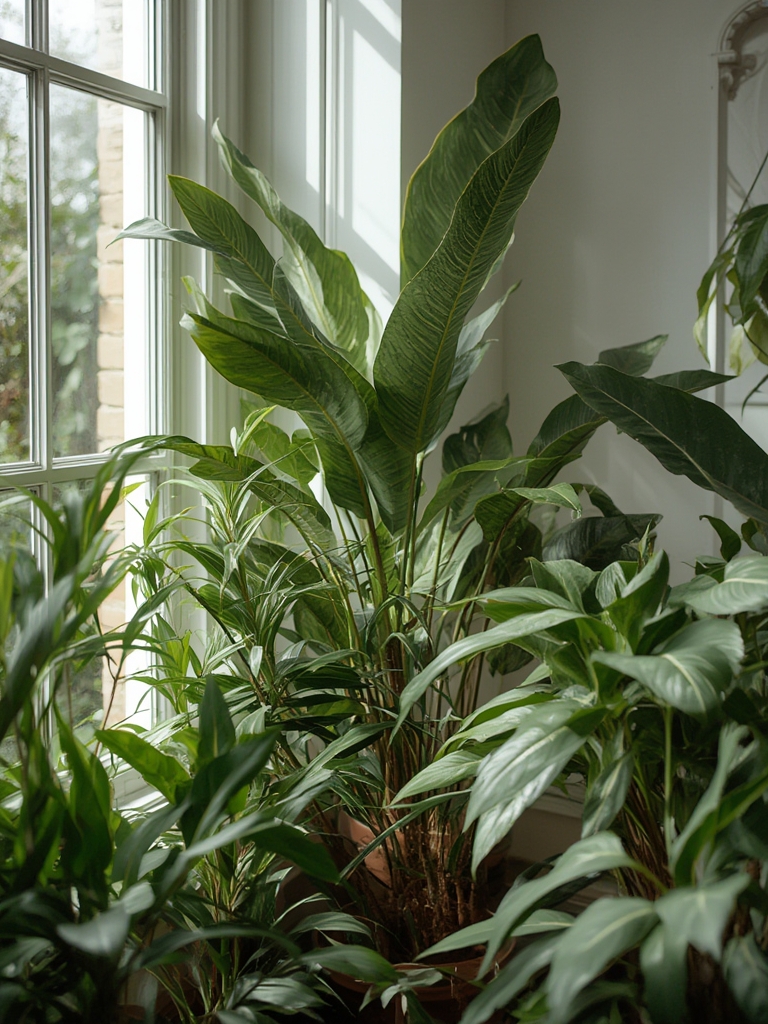
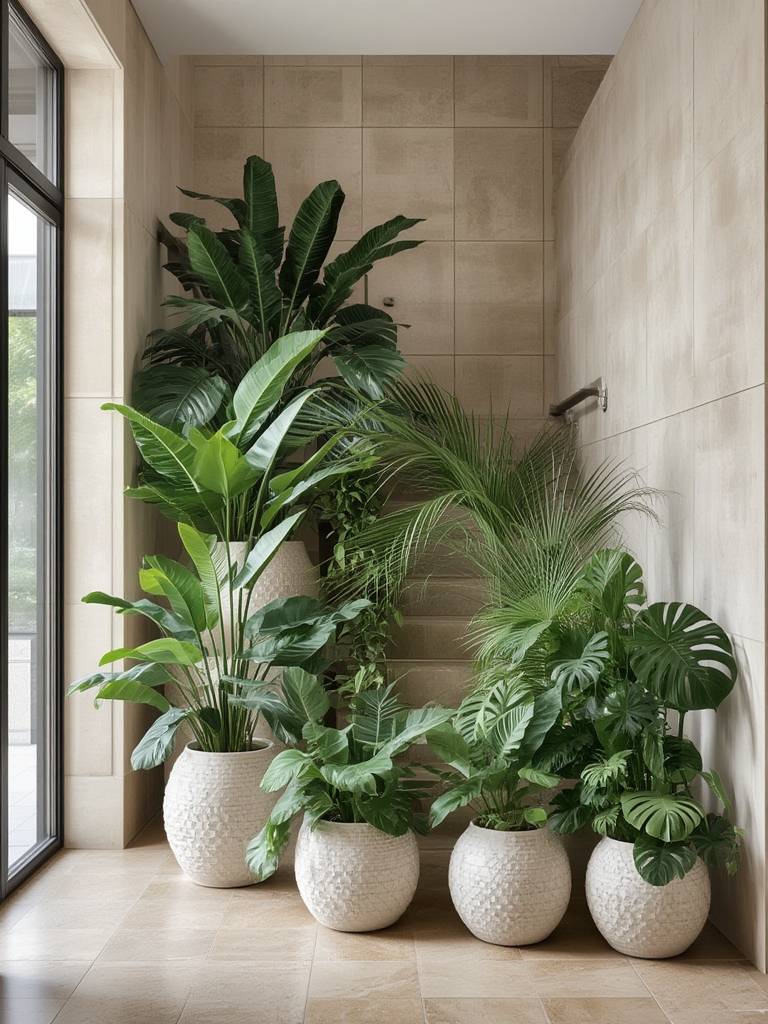
Plants create depth, texture, and color contrast. Using a mix of tall, trailing, and foliage‑rich varieties can transform a bland room into a curated indoor garden that feels both modern and inviting.
Step‑by‑Step Guide to Growing Healthy Indoor Plants
1. Choose the Right Plant for Your Space
Match plant requirements to your environment:
- Low‑light zones: ZZ Plant, Snake Plant, Pothos.
- Bright, indirect light: Fiddle Leaf Fig, Monstera, Peace Lily.
- High‑humidity areas (bathrooms/kitchens): Boston Fern, Orchid.
Tip: Use a light meter app to verify the lux level. Most low‑light plants thrive at 100–500 lux, while bright‑light lovers need 1,000–2,000 lux.
2. Pick the Perfect Pot and Soil Mix
Choosing the right container and growing medium sets the foundation for root health.
- Pot size: Select a pot 1–2 inches larger in diameter than the current root ball. Too large encourages waterlogging; too small restricts growth.
- Drainage: Ensure at least one drainage hole. Add a layer of
2–3 cmof broken pottery shards or perlite at the bottom to improve flow. - Soil blend: For most houseplants, combine
40 % peat moss,30 % pine bark fines, and30 % perlite. Adjust to 20 % sand for succulents.
3. Master the Light Game
Light is the most common cause of indoor plant failure. Follow these actionable steps:
- Identify the window orientation (north = low light, south = high light).
- Place low‑light plants at least 1 ft from a north‑facing window.
- Rotate pots 90° every two weeks to ensure even growth.
- Use a LED grow light (3000–5000 K) for 12–14 hours if natural light is insufficient.
4. Water Wisely – No More “Over‑ or Under‑watering”
Watering errors account for 60% of indoor plant deaths. Use this data‑backed routine:

- Check moisture: Insert a wooden chopstick 2 inches deep; if it comes out dry, water.
- Water amount: Saturate the soil until water drains from the bottom, then discard excess.
- Frequency: Most tropical plants need watering every 5–7 days, while succulents require every 2–3 weeks.
- Seasonal adjustment: Reduce watering by 30% in winter when growth slows.
5. Feed Your Plants with the Right Nutrients
Fertilizer boosts vigor but must be applied correctly:
- Balanced NPK (10‑10‑10) liquid fertilizer: Dilute to ¼ strength and feed once a month during the growing season (spring‑fall).
- Slow‑release pellets: Mix 1 tsp into the topsoil for a 3‑month nutrient supply—ideal for busy homeowners.
- Organic boost: Add a tablespoon of worm castings to the potting mix during repotting for long‑term soil health.
6. Keep Roots Healthy with Proper Repotting Techniques
Repotting is essential for preventing root‑bound stress and ensuring nutrient uptake.
- Timing: Repot in early spring when new growth begins.
- Inspect roots: Gently remove the plant and shake off excess soil. Trim any black, mushy, or circling roots with sterilized scissors.
- Pot selection: Choose a pot 1–2 inches larger than the previous one. Avoid overly large containers that retain excess moisture.
- Soil preparation: Fill the bottom with a thin layer of fresh potting mix, place the plant, then backfill, firming lightly to eliminate air pockets.
- Water after repotting: Give a thorough watering to settle the soil and encourage root expansion.
Tip: Add a thin strip of charcoal at the bottom of the pot to absorb excess moisture and reduce fungal risk.
7. Manage Pests Before They Multiply
Even indoor plants can attract pests. Early detection saves the plant:
- Common culprits: Spider mites, mealybugs, and fungus gnats.
- Inspection routine: Check the undersides of leaves weekly. Look for webbing, white cottony masses, or tiny black flies.
- DIY treatment: Spray a solution of
1 tsp neem oil + 1 cup waterevery 7–10 days until pests disappear. - Prevention: Avoid over‑watering (fungus gnats love moist soil) and keep foliage dry.
8. Ongoing Care – Pruning, Cleaning, and Monitoring
Regular maintenance keeps plants looking their best and extends lifespan.
- Prune dead or yellowing leaves: Use clean scissors to cut at the base, encouraging new growth.
- Dust foliage: Wipe leaves with a damp cloth once a month to improve photosynthesis.
- Monitor growth: Record height and leaf count in a simple spreadsheet. A sudden slowdown may signal light or water issues.
Data‑Driven Quick‑Reference Checklist
| Task | Frequency | Key Metric |
|---|---|---|
| Check light levels | Monthly | Lux ≥ 500 for low‑light plants, ≥ 1,000 for bright‑light plants |
| Moisture test | Every 2–3 days (adjust seasonally) | Chopstick dry vs. wet |
| Fertilize | Monthly (spring‑fall) | ¼ strength NPK solution |
| Repot | Every 12–18 months | Root ball 1–2 in. larger pot |
| Pest inspection | Weekly | No visible webs, cotton, or flies |
| Leaf cleaning | Monthly | Dust‑free surface |
Final Thoughts
Indoor gardening is a blend of science and habit. By measuring light, monitoring moisture, and repotting with care, you create an environment where roots stay healthy and foliage flourishes. Use the steps and tips above as a daily checklist, and watch your indoor oasis grow from a modest starter plant to a vibrant centerpiece that enhances both your home’s aesthetics and your well‑being.