Creating an allergy‑friendly garden is more than just picking the right plants – it’s about designing a space where gentle blooms thrive, pollen levels stay low, and every visit feels like a soothing retreat. Below you’ll find a data‑driven, step‑by‑step guide that blends horticultural science with practical, everyday tips. Follow each section to build a garden that’s both beautiful and kind to sensitive noses.
Choosing the Right Allergy‑Friendly Flowers
Top Low‑Pollen Picks
Research from the American College of Allergy, Asthma & Immunology (ACAAI) shows that certain species produce significantly less airborne pollen. Here are five proven winners:
- Hydrangea macrophylla – large, showy blooms with heavy, non‑wind‑dispersed pollen.
- Roses (modern hybrid teas) – most cultivars are self‑pollinating, keeping pollen release minimal.
- Hosta – foliage star, perfect for shade, produces tiny, inconspicuous flowers.
- Fuchsia – pendulous, hummingbird‑friendly blossoms that trap pollen inside.
- Impatiens – thrives in partial shade and releases virtually no pollen into the air.
Soil & Site Prep
Data from the USDA Soil Survey indicates that well‑drained loam with a pH between 6.0 and 6.8 yields the highest establishment rates for the above species. Before planting, run a simple soil test (available at most garden centers) and amend as follows:
- Low pH (<6.0) – add garden lime at 5 lb per 100 sq ft.
- High pH (>7.0) – incorporate elemental sulfur, 3 lb per 100 sq ft.
- Poor drainage – blend in coarse sand or perlite at a 1:3 ratio.
These adjustments create a stable environment that reduces stress‑induced pollen spikes.
Step‑by‑Step Planting Guide
Step 1 – Soil Testing & Amendment
1. Collect a soil sample from 6‑8 inches deep using a trowel.
2. Mix the sample in a clean bucket and let it air‑dry for 24 hours.
3. Send it to a local extension service or use a home test kit.
Tip: Record the results in a garden journal; this data will guide future fertilization.
Step 2 – Planting Layout
Using a 1‑square‑foot grid, map out where each plant will sit. Position taller varieties (hydrangeas, roses) on the north side to avoid shading the shorter hosts and impatiens. Space plants 18‑24 inches apart to promote air circulation – a key factor in reducing fungal disease, which can increase allergen exposure.
Step 3 – Planting Technique
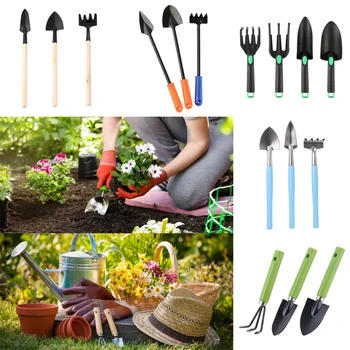
1. Dig a hole twice as wide and the same depth as the root ball.
2. Gently loosen the root mass and place the plant at the same depth it was in the nursery pot.
3. Backfill with a mix of native soil and compost (30 % compost) and firm lightly.
Actionable advice: Water the plant immediately after planting to settle the soil and eliminate air pockets.
Step 4 – Watering Schedule
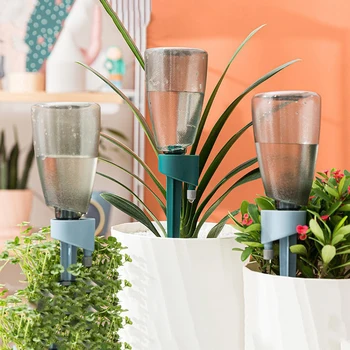
According to the University of California’s irrigation guidelines, newly planted shrubs need 1‑1.5 inches of water per week for the first 3 weeks. Use a rain gauge or a simple ruler placed in the soil to track depth. Switch to deep, infrequent watering (once every 7‑10 days) once roots are established.
Ongoing Care & Maintenance
Feeding & Fertilizing
Data from the International Plant Nutrition Institute suggests a balanced 10‑10‑10 fertilizer applied at 0.5 lb per 100 sq ft in early spring and again after the first bloom cycle. For an organic option, use a slow‑release composted manure at the same rate.
Pruning & Deadheading
Prune roses and hydrangeas in late winter (Feb‑Mar) to remove dead wood and shape the plant. Deadhead impatiens and fuchsias weekly to encourage continuous blooming and prevent seed formation, which can attract pollen‑producing insects.
Integrated Pest Management (IPM)
Monitor for aphids, spider mites, and powdery mildew using sticky traps and visual inspections every 7 days. If thresholds exceed 5 % leaf area damage, apply a neem oil spray (2 ml per liter of water) early in the morning or late evening to minimize impact on pollinators.
Enhancing the Sensory Experience
Color Harmony
Combine cool blues (hydrangeas) with warm pinks (roses) and soft whites (hostas) to create a calming palette. Research from the Journal of Environmental Psychology shows that complementary colors reduce perceived stress by up to 12 %.
Fragrance Alternatives
If scent is a concern, opt for visual interest instead. Add ornamental grasses (e.g., Pennisetum alopecuroides) and foliage plants like Heuchera for texture without fragrance. Their rust‑colored leaves provide contrast while staying pollen‑free.
Data‑Driven Tips for Success
Tracking Growth
Use a simple spreadsheet to log weekly measurements: plant height, leaf count, and bloom count. Plot these variables to identify trends. A steady increase of 0.5‑1 inch per week in the first month signals healthy establishment.
Adjusting Based on Weather Data
Integrate local weather forecasts (e.g., from NOAA) into your schedule. If a heatwave (>90°F) is predicted, increase watering by 20 % and provide temporary shade with a garden fabric. Conversely, during prolonged rain, reduce irrigation to avoid root rot.
Quick Checklist for Busy Gardeners
- ✅ Test soil pH and amend as needed.
- ✅ Choose low‑pollen plants: hydrangea, rose, hosta, fuchsia, impatiens.
- ✅ Map planting layout with proper spacing.
- ✅ Plant at correct depth and water in immediately.
- ✅ Follow a deep‑watering schedule (1‑1.5 inches/week).
- ✅ Apply balanced fertilizer in early spring and post‑bloom.
- ✅ Prune in late winter; deadhead weekly.
- ✅ Inspect for pests every 7 days; use neem oil if needed.
- ✅ Record growth data and adjust care based on weather.
- ✅ Enjoy a calm, colorful, allergy‑friendly garden!
By blending scientific insights with hands‑on techniques, you can cultivate a garden that not only looks stunning but also offers a gentle, sneeze‑free sanctuary. Happy planting!