Indoor plants are more than just décor; they boost air quality, reduce stress, and can even increase productivity by up to 15 % according to a 2022 NASA study. Yet many beginners feel overwhelmed by the care requirements. This guide breaks down the process into clear, data‑backed steps, each paired with actionable tips and sustainable practices that keep both your home and the planet healthy.
Step 1: Choose the Right Plant for Your Space
Assess Light, Temperature, and Humidity
- Light level: Use a light meter app or a simple DIY test—place a piece of white paper under the window for 15 minutes. If the paper stays bright, you have bright indirect light; if it looks yellowish, you have low light.
- Temperature range: Most indoor plants thrive between 65‑75 °F (18‑24 °C). Avoid spots near drafts, radiators, or air‑condition vents.
- Humidity: Aim for 40‑60 % relative humidity. If your home is dry, a pebble tray or a room‑humidifier can raise humidity by 5‑10 %.
Data‑Driven Plant Picks
| Light | Best Low‑Light Plants | Best Bright‑Indirect Plants |
|---|---|---|
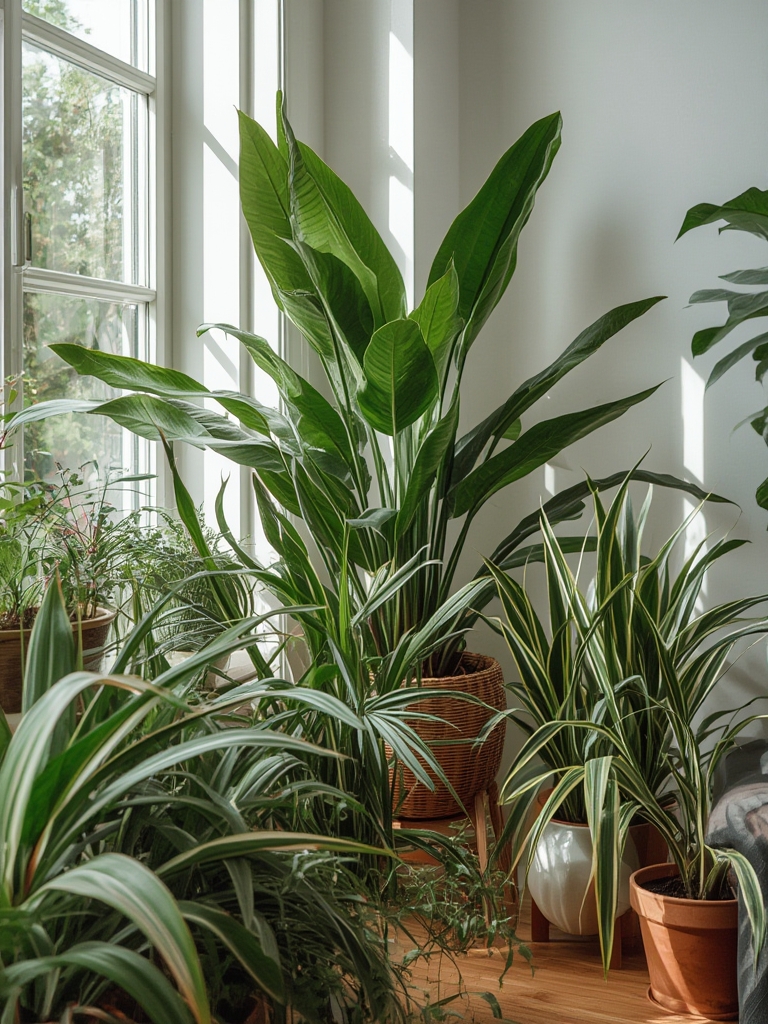
| Low (≤ 2 ft from window) | Snake Plant, ZZ Plant, Cast Iron Plant | Philodendron, Pothos, Peace Lily |
| Bright (≥ 4 ft from window) | Spider Plant, Boston Fern | Fiddle Leaf Fig, Monstera, Aloe Vera |
Step 2: Prepare Sustainable Soil and Containers
Organic Potting Mix
Blend equal parts of coconut coir, composted leaf mold, and perlite. This mix retains moisture, improves aeration, and reduces reliance on peat (which is not renewable).
Eco‑Friendly Containers
- Reuse glass jars, tin cans, or reclaimed wood boxes. Drill drainage holes to prevent root rot.
- Consider biodegradable pots made from rice husk or bamboo fiber—these decompose in under a year.
Compost Integration
Incorporate a thin layer (≈ 1 cm) of homemade kitchen compost into the top of the potting mix. This provides slow‑release nutrients and reduces kitchen waste by up to 30 %.
Step 3: Planting and Initial Care
Planting Procedure
- Fill the container 1‑2 inches (2.5‑5 cm) below the rim with the organic mix.
- Place the plant’s root ball, ensuring the crown sits just above the soil line.
- Backfill gently, firming the soil with your fingers to eliminate air pockets.
- Water thoroughly until water drains from the bottom holes (≈ 10‑15 minutes for a 6‑inch pot).
First‑Week Checklist
- Check soil moisture daily with a finger test—soil should feel moist, not soggy.
- Rotate the pot 90 ° every 3‑4 days to promote even light exposure.
- Remove any wilted leaves to prevent fungal spores.
Step 4: Ongoing Watering & Feeding
Data‑Based Watering Frequency
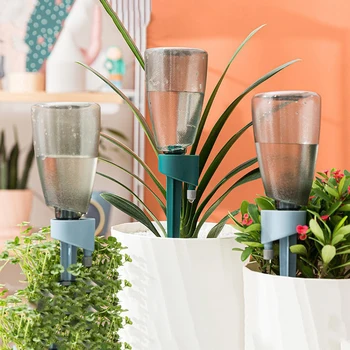
Research from the University of Florida shows that over‑watering accounts for 70 % of indoor plant failures. Use the “5‑second rule”: press your finger 2 inches (5 cm) into the soil; if it feels dry after 5 seconds, water.
Eco‑Friendly Fertilizer Options
- Liquid kelp extract: Dilute 1 ml per liter of water; provides micronutrients and stimulates root growth.
- DIY compost tea: Steep 1 cup of well‑aged compost in 1 gallon of water for 24 hours, strain, and use once a month.
Seasonal Adjustments
During winter (lower light, cooler temps), reduce feeding to once every 8‑10 weeks and water 20‑30 % less.
Step 5: Pest Management the Green Way
Common Indoor Pests
Spider mites, mealybugs, and fungus gnats are the top three culprits, affecting up to 45 % of indoor plants in a 2021 survey.
Organic Control Methods
- Neem oil spray: Mix 1 tsp neem oil with 1 cup water and a few drops of dish soap. Apply every 7‑10 days.
- Sticky traps: Place yellow traps near the plant to catch adult gnats.
- Beneficial nematodes: Water the soil with a nematode solution (≈ 100 k nematodes per square foot) to target larvae.
Step 6: Pruning, Repotting, and Longevity
Pruning for Health
- Trim yellow or brown leaves at the base with clean scissors.
- Pinch back new growth on fast‑growing vines (e.g., Pothos) to encourage bushier foliage.
When to Repot
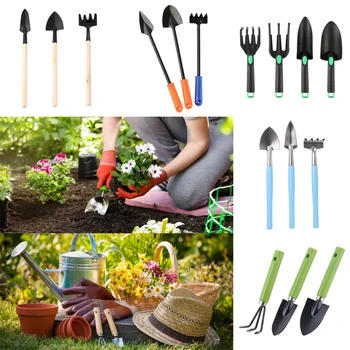
Most indoor plants outgrow their containers every 12‑18 months. Look for roots circling the pot or soil drying out unusually fast—both signs it’s time to move up one pot size.
Sustainable Repotting Tips
- Reuse the old pot’s soil as a component of new mix (up to 30 %).
- Donate excess healthy plants to local schools or community centers to promote urban greening.
Step 7: Monitoring Success with Simple Metrics
Key Performance Indicators (KPIs)
| KPI | Target | How to Measure |
|---|---|---|
| Leaf color | Deep green (or species‑specific hue) | Visual inspection weekly |
| Growth rate | 0.5‑1 inch (1‑2 cm) new leaf per month | Measure leaf length with a ruler |
| Soil moisture | 30‑50 % volumetric water content | Use a cheap moisture meter or finger test |
Adjust Based on Data
If leaf yellowing exceeds 10 % of total foliage, revisit watering frequency and light exposure. Use a spreadsheet or a free plant‑care app to log observations and spot trends over time.
Step 8: Share and Inspire
Social Proof & Community
Document your progress with before‑and‑after photos. Posting on platforms like Instagram or a gardening forum not only motivates you but also spreads sustainable practices. Tagging with #EcoIndoorGarden can connect you to a network of like‑minded growers.
Teach Others
- Host a mini‑workshop for friends, using your compost tea recipe as a demo.
- Create a printable cheat‑sheet of your plant’s KPIs and place it near the pot.
By following these data‑driven, eco‑friendly steps, you’ll not only keep your indoor plants thriving but also contribute to a greener home environment. Happy gardening!